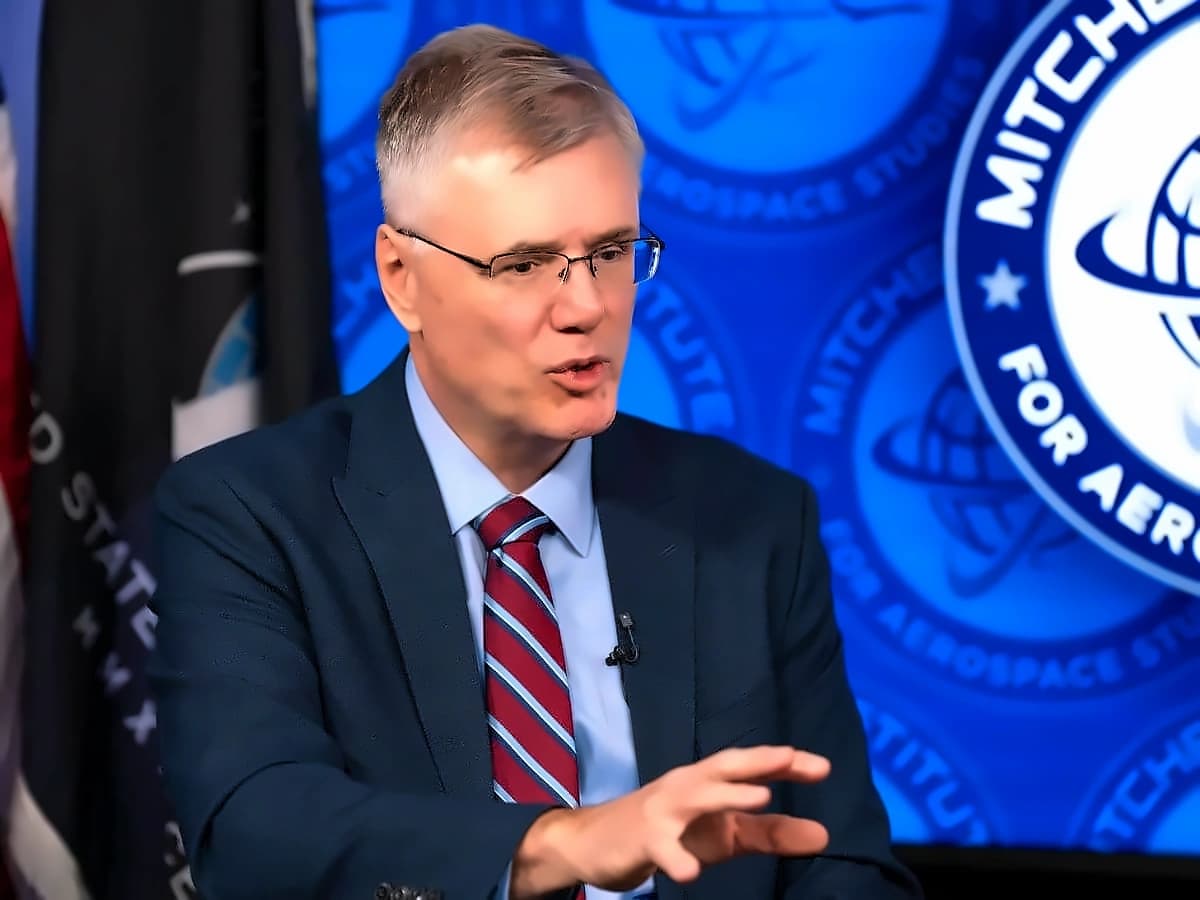
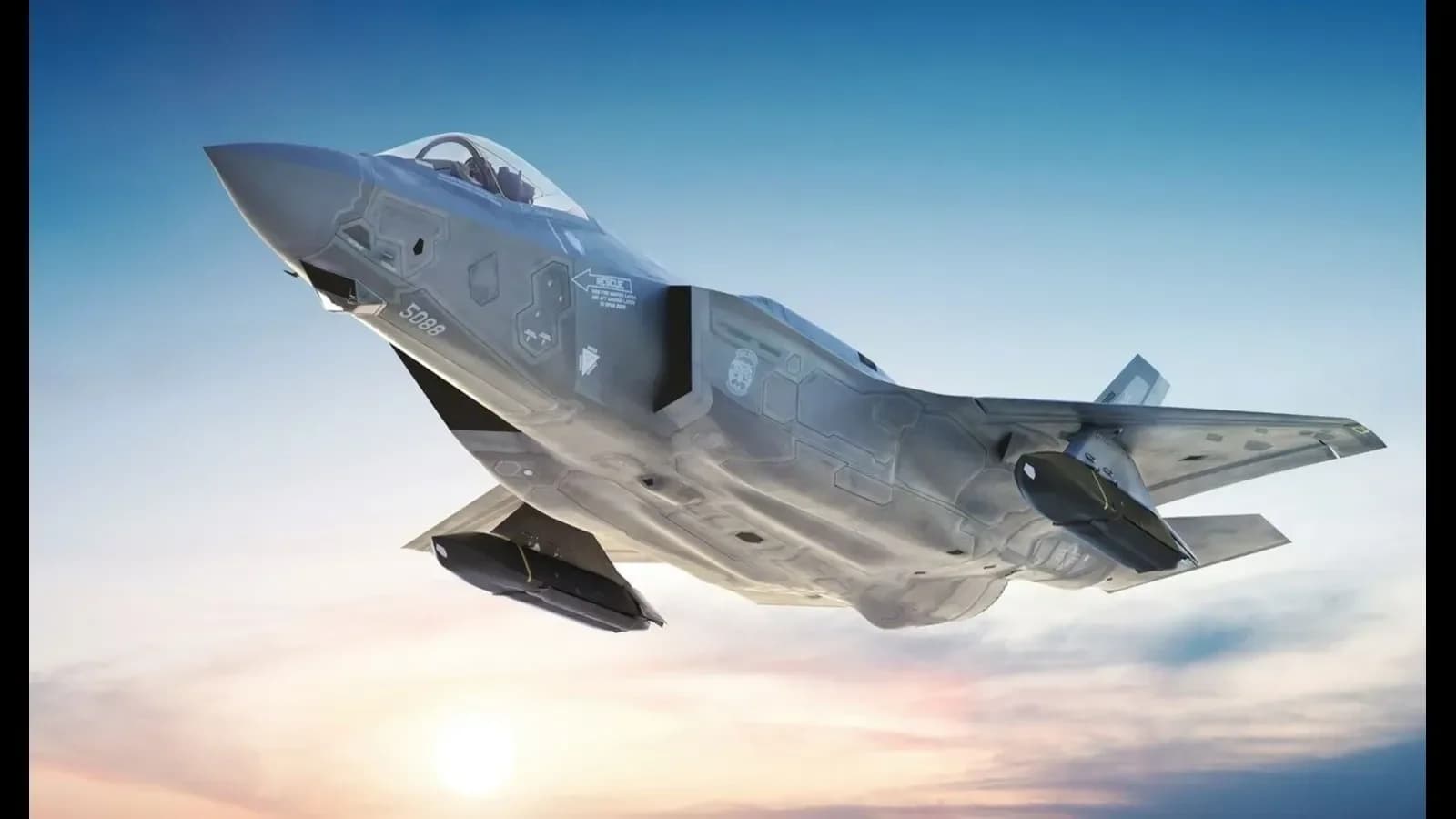
The United States has for the first time publicly acknowledged that its military has weapons deployed in space, as Washington faces growing military competition from China and Russia in orbit. According to reports from Financial Times and Roya News, US Air Force Secretary Troy Meink said the US has 'on-orbit space control weapons' that can defend American forces against hostile actions by adversaries. Meink made these remarks at an Air & Space Forces Association conference in Maryland, though he declined to disclose the weapon's nature or provide details about its capabilities. The latest confirmation comes directly from the US Space Force, which issued an official statement on Monday confirming the presence of such capabilities in orbit for the first time. As reported by Roya News, a spokesperson for the service branch stated: 'The United States has deployed space control weapons in orbit capable of protecting joint US forces from hostile threats.'
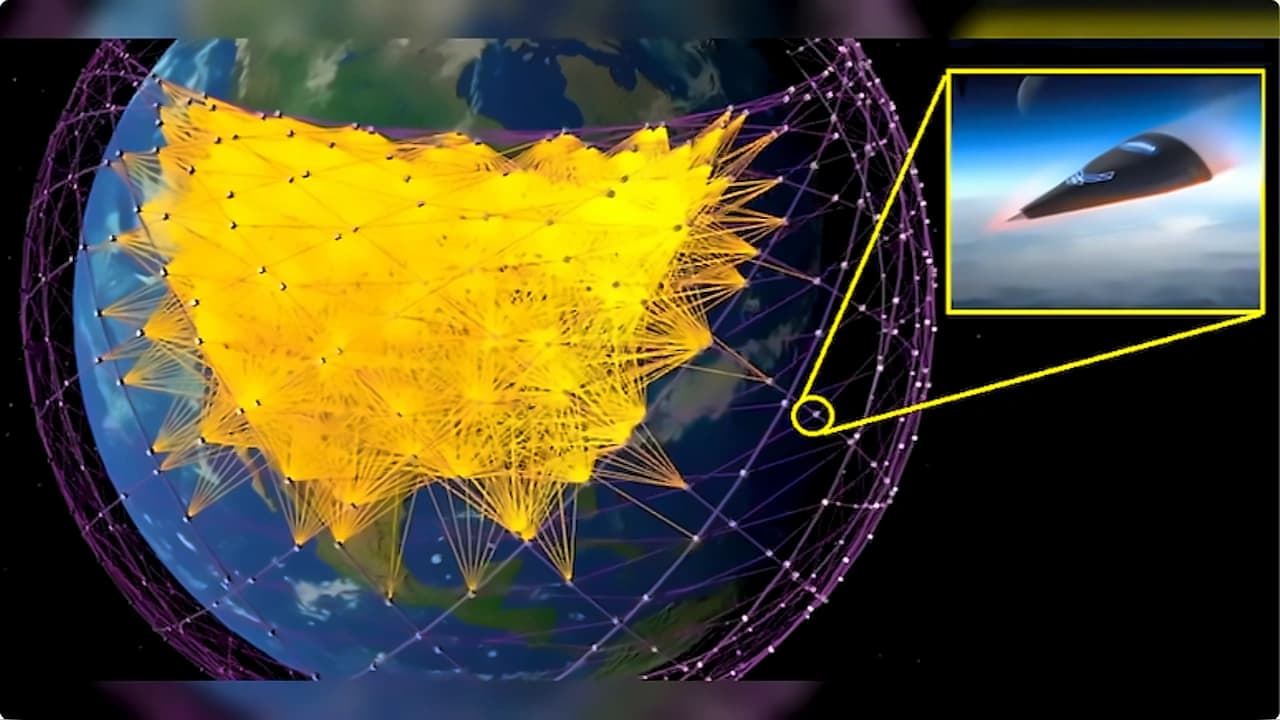
Meink's remarks come as the administration of President Donald Trump moves to expand US space-based military capabilities as part of its planned 'Golden Dome' missile defence system. As reported by Financial Times and Roya News, the air force secretary said that the programme now has 'flight-ready hardware' for space-based interceptors, which are intended to destroy incoming missiles while they are in space. The US Space Force statement clarified that 'space control encapsulates the mission areas required to contest and control the space domain', employing both kinetic and non-kinetic means to affect adversary capabilities. These capabilities can be employed for offensive and defensive purposes against potential hostile adversary action. According to Roya News, the concept encompasses a full range of missions required to compete with adversaries and establish control using both kinetic and non-kinetic means to affect their capabilities.
The US Space Force announcement coincides with escalating tensions in the Gulf region, where Iran postponed a planned meeting with Gulf states regarding the Strait of Hormuz citing events unfolding in Yemen. According to Reuters, Gulf states called off the meeting planned for Monday as Yemen's Houthis launched a new attack on Saudi Arabia. Iran's Foreign Affairs spokesperson Esmaeil Baghaei said at a news conference that Oman and Iran 'have taken a joint decision aimed at arriving at a responsible' approach to strait management, with the meeting scheduled to take place in Oman representing an 'opportunity to demonstrate the significance of these decisions'. Meanwhile, Iran's Islamic Revolutionary Guard Corps claimed to have intercepted and destroyed an advanced MQ-1 drone over the Strait of Hormuz using a 'new aerospace defence system', as reported by Tasnim news agency.
The escalating tensions have significantly impacted oil markets, with Brent crude jumping to about $108 per barrel and US crude selling at over $103.26 per barrel on Monday, according to CBS News. The price surge reflects intensified fighting between Iran's Houthi allies and Yemen's Saudi-backed government forces. As reported by CNBC, President Trump indicated the US may ultimately withdraw from the conflict, stating 'We'll ultimately get out (of the war), unless we decide to stay and keep the oil like Venezuela.' Iran has also issued a list of 77 ships it said had violated its protocols for operating in the Strait of Hormuz, warning that any ship on the list would face 'restrictions on future passages, including fines, detention, or confiscation'. According to Al Jazeera, Iran maintains it has 'no relations whatsoever with what is unfolding in Yemen' and does not interfere in Yemen's affairs.