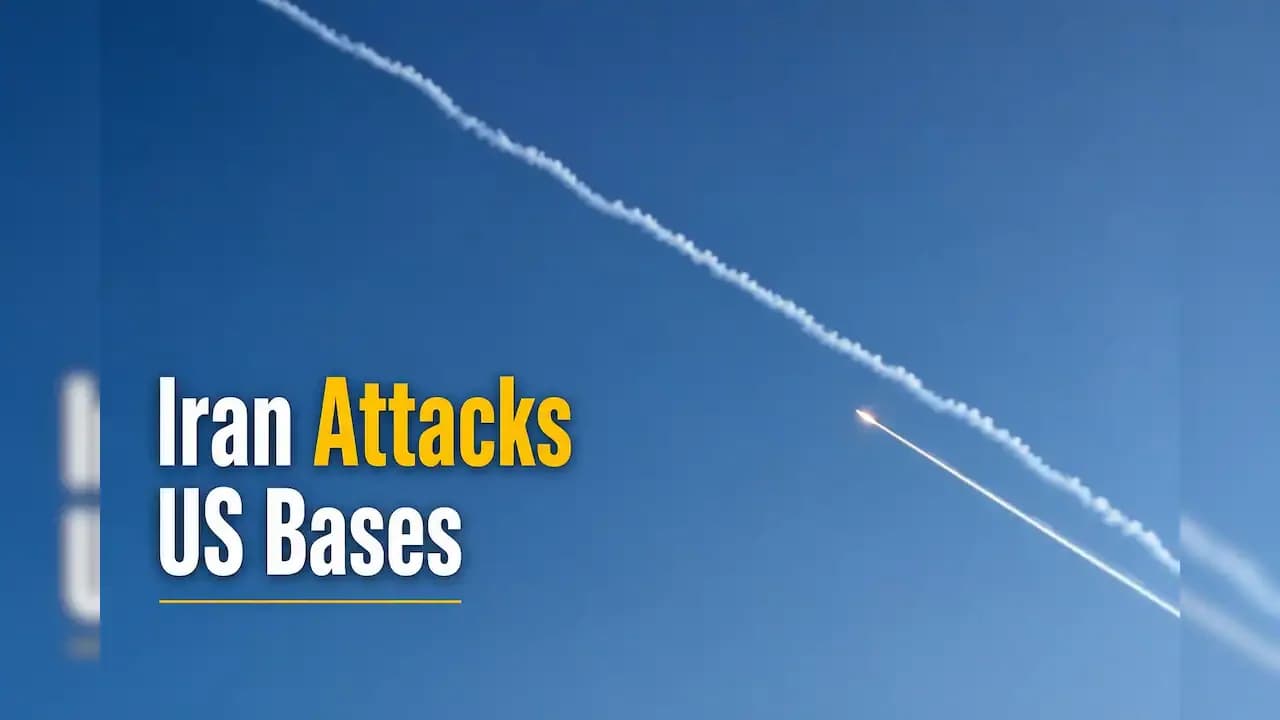
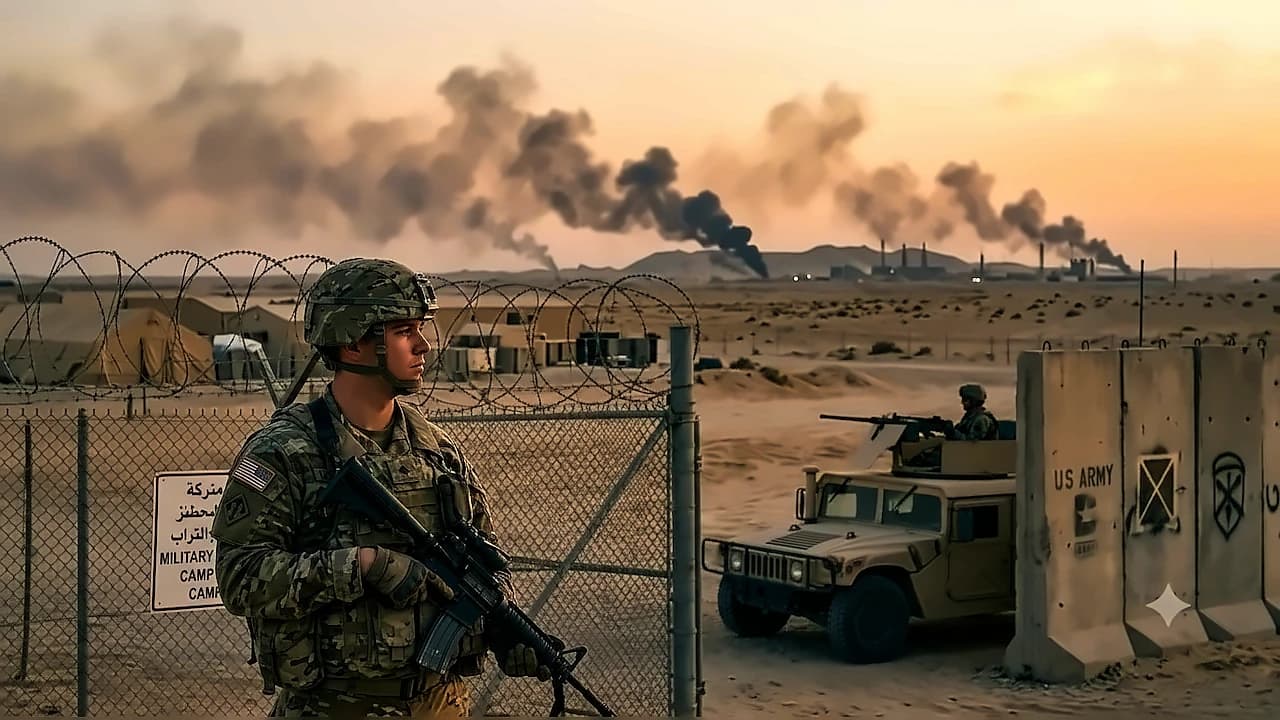
Iran launched a comprehensive retaliatory assault on Wednesday, firing at least seven ballistic missiles and multiple attack drones at US military installations across three Gulf countries. According to reports from Al Jazeera, the operation specifically targeted the Ali Al-Salem and Ahmed Al-Jaber airbases in Kuwait, alongside Bahrain's Sheikh Isa Air Base, following recent US military strikes. The IRGC confirmed a strike on the US Navy's Fifth Fleet in Bahrain at approximately 2:30 am, warning of "heavier responses" if American operations persist. As per Mehr News Agency, the retaliatory operation encompassed 21 targets hit across various US air and naval bases in the region, as well as the downing of a US MQ-9 drone over Iranian airspace. The IRGC described the operation as part of a broader retaliatory response to continued American "mischief," citing a Quranic verse on reciprocal response and framing the operation as a religiously sanctioned act of retaliation.
Kuwait closed its airspace and activated its air defence systems on Thursday after Iran launched strikes on US military bases in the country, triggering flight diversions across the Gulf region and raising alarm over civilian aviation safety. The Kuwait Army's General Staff announced on its official X account that "air defense systems are currently intercepting hostile aerial targets in accordance with the adopted operational procedures." The airspace closure sent shockwaves through regional aviation, with flights to and from Kuwait diverted as the interception operations were underway. The disruption added to a growing list of Gulf aviation casualties from the conflict, with flights in and out of UAE, Jordan and Bahrain also affected as the fighting spread across the region. According to AP, Kuwait's air defence systems were firing in response to Iran's threatened retaliation for US strikes on Iranian territory.
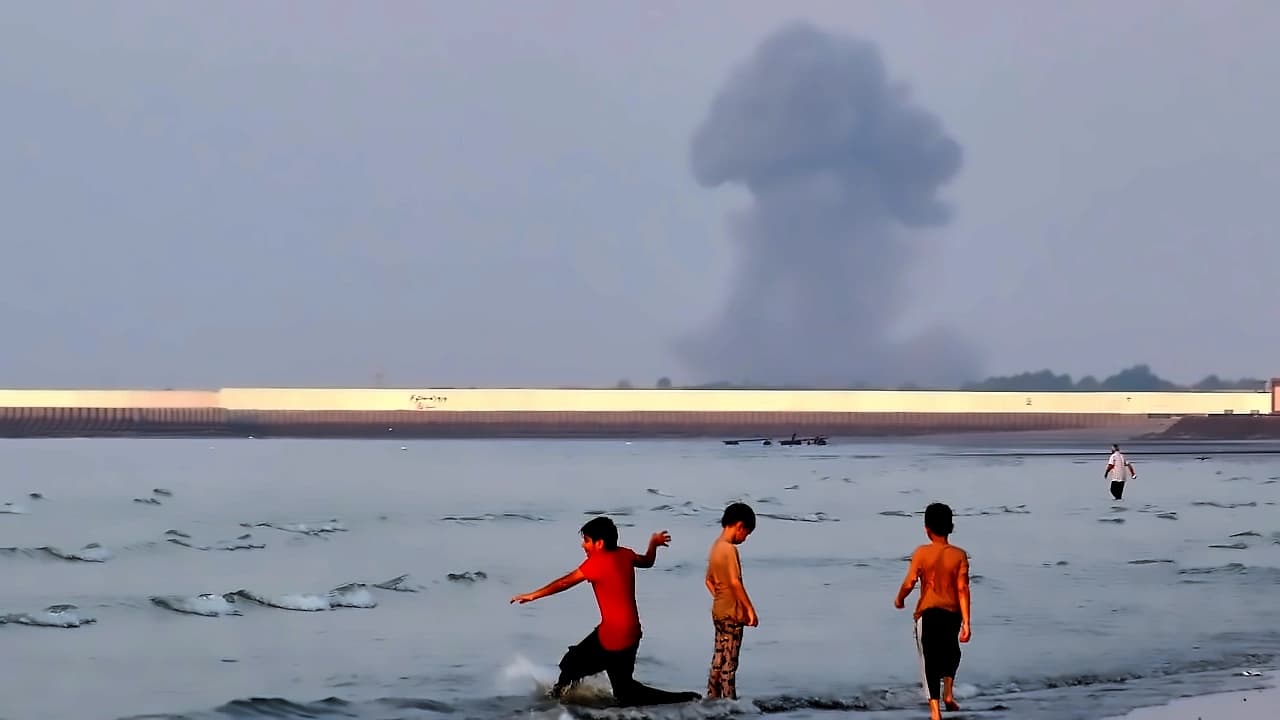
In Bahrain, as reported by The Hormuz Letter, footage showed a ground-level explosion in Manama in the direction of the US Fifth Fleet headquarters, with up to 20 separate explosions subsequently reported across the city. Bahrain's Ministry of Interior posted on X: "The siren has been sounded. Citizens and residents are urged to remain calm and head to the nearest safe place." The alarm was sounded again on June 11, 2026, with the ministry urging citizens to "remain calm, head to the nearest safe place, and follow the news through official channels." The attack targeted the strategic US naval headquarters in the region, with the IRGC specifically launching a drone strike against the US Navy's Fifth Fleet as part of the coordinated retaliatory operation.
The IRGC's Aerospace Force claimed its long-range, solid-fuel missiles struck and destroyed four critical targets at the Jordanian airbase, including F-35 fighter jet hangars and a primary command and control centre. As reported by Mehr News Agency, the IRGC framed the strike as part of a broader retaliatory operation that encompassed 21 targets hit across various US air and naval bases in the region, as well as the downing of a US MQ-9 drone over Iranian airspace. The IRGC described the Jordan strike as part of "completing the retaliatory operation" in response to continued American "mischief," citing a Quranic verse on reciprocal response and framing the operation as a religiously sanctioned act of retaliation. Latest developments show that Jordan successfully intercepted five Iranian missiles fired towards Azraq Air Base, demonstrating the effectiveness of Jordanian air defense systems.
The Iranian response was triggered by US Central Command's completion of strikes on Iranian air defence installations, ground control stations, and surveillance radar sites near the Strait of Hormuz. According to reports from Mehr News Agency, the IRGC warned that its forces remain fully prepared to deliver a "crushing and decisive" response to any further US military action, stating that Washington would bear full responsibility for the consequences of further escalation. The conflict has been ongoing since late February 2026, when the US and Israel launched Operation Epic Fury against Iran, with a nominally active ceasefire repeatedly breached by both sides, with Wednesday's exchanges marking one of the most intense single-day escalations of the war to date. Meanwhile, Iran ordered the complete closure of the Strait of Hormuz to all vessel traffic, warning that any ship attempting to transit the waterway would be targeted. US President Trump warned that bombing would pause but resume the following day if Iran failed to sign a deal, telling media that failure to comply would mean the US would "bomb the shit out of them."