President Trump announced his latest payment proposals at the Republican midterm convention in Dallas, promising $5,000 dividend checks to nearly every adult American and $500 rebates for nearly 1 million ACA enrollees in 30 states. As reported by multiple sources, Trump stated the money would come primarily from tariff revenue and would be paid if Republicans retain control of Congress in November. With roughly 260 million adult Americans, the $5,000 payments would cost about $1.3 trillion, not including administrative costs or income-based exclusions. The timing coincides with the upcoming November midterm elections and rising health insurance costs, with the Kaiser Family Foundation finding that average monthly premium payments for Marketplace enrollees rose 58% in 2026, from $113 to $178.

The ACA rebate program targets specific enrollees who face higher health insurance costs following the expiration of enhanced premium tax credits. According to Reuters reporting, the refunds will primarily go to ACA Marketplace enrollees who earn more than 400% of the federal poverty level and don't qualify for premium subsidies, with some people between 100% and 400% of the poverty level who didn't receive subsidies potentially included. The Trump administration says the money comes from excess user fees paid by insurers that sell plans through HealthCare.gov, with the fee increasing from 1.5% of premiums in 2025 to 2.5% in 2026. However, Kaiser Family Foundation's Cynthia Cox noted that the surplus doesn't necessarily mean consumers were overcharged, as it also reflects the administration's decision to reduce spending on enrollment assistance while continuing to collect fees.
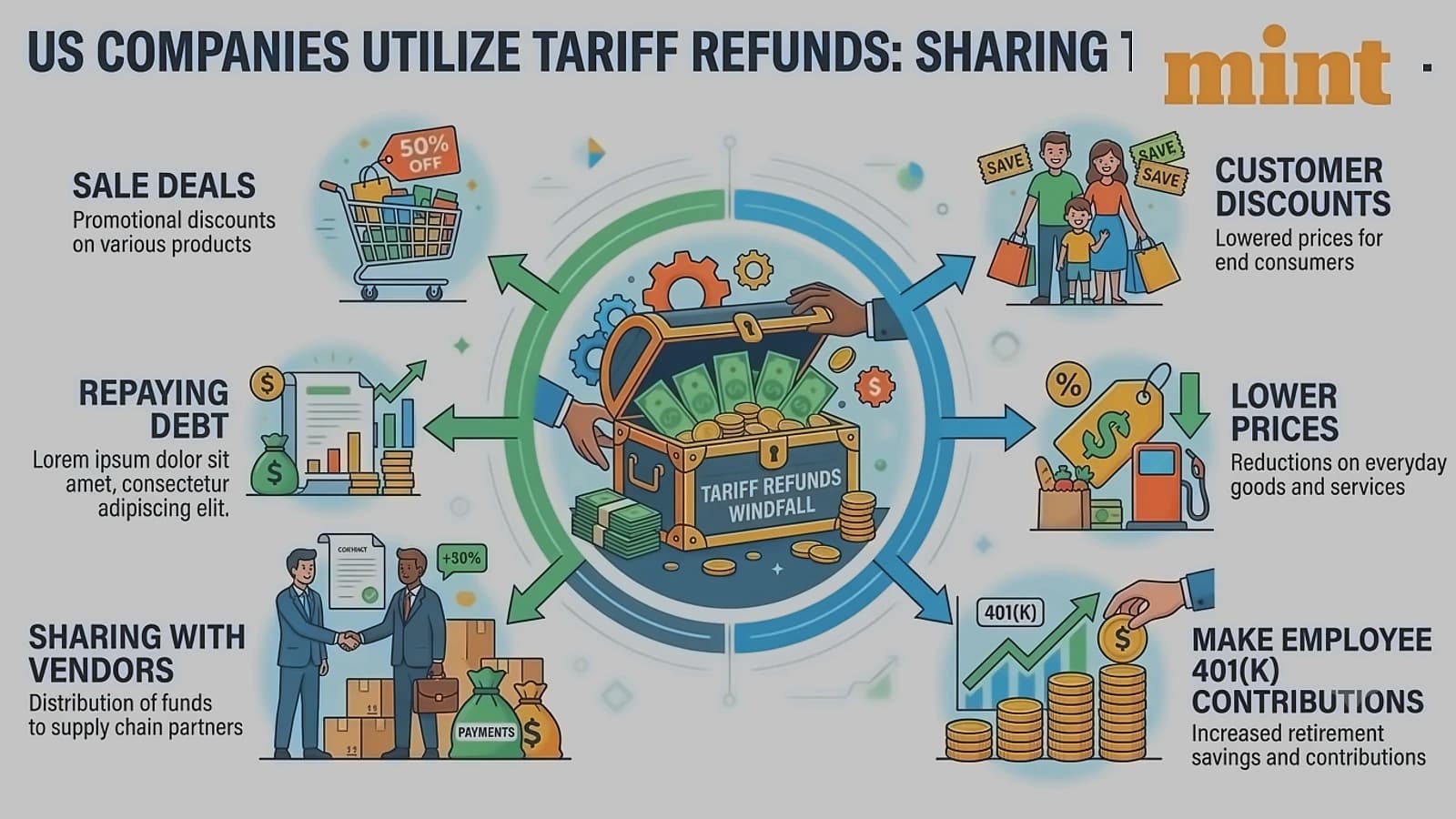
The administration faces significant challenges in financing these proposed payments, as current tariff revenue falls far short of the required amounts. According to Kiplinger reporting, the federal government collected about $264 billion in customs duties in the most recent fiscal year, which is far below the potential $1.3 trillion price tag for the $5,000 dividend. The situation is complicated by the ongoing tariff refund process, with the Supreme Court's February ruling against Trump's use of the International Emergency Economic Powers Act resulting in roughly $100 billion already paid out by the end of July. This means tariff revenue isn't necessarily a pot of available funds for future checks, as companies receiving refunds are using the money for employee benefits, debt repayment, and other operational needs.
US companies receiving tariff refunds after the Supreme Court struck down President Trump's import tariffs are using the temporary windfall in creative ways to address operational challenges. According to Bloomberg News analysis, companies in the Russell 3000 Index mentioned tariff refunds almost 1,000 times in earnings calls and filings during July, August and September, nearly four times more than in the previous earnings season. Consumer discretionary and staples companies accounted for more than a third of the references, disclosing receipt of close to $9.8 billion in refunds during that period. Recent company examples include American Eagle Outfitters, which reported Q2 revenue growth but headline profitability was distorted by $179 million in tariff refunds, and Helen of Troy Ltd., which expects the more than $9 million it received will be "more than offset" by expected higher costs for the remainder of the year.
Despite receiving refunds, companies face ongoing cost pressures and trade uncertainties. Stanley Black & Decker Inc. noted the "temporary tariff tailwind" is being eclipsed by inflationary pressure and higher material costs like metals and oil, with the company saying "it appears more likely than not a price increase will be necessary" in 2027. Bath & Body Works Inc. is forecasting $30 million in additional tariff and input costs during the second half of 2026, with Canada tariffs remaining at 50% for the remainder of 2026. The company makes some of its candles in Canada and has retail stores located there, so it could be affected by both US and Canada levies. "We also have a large Canada retail business, so there is exposure to retaliatory tariffs if applied to our categories, and we're still evaluating this as new information is being released, really in real time," CFO Tom Javitch told analysts.