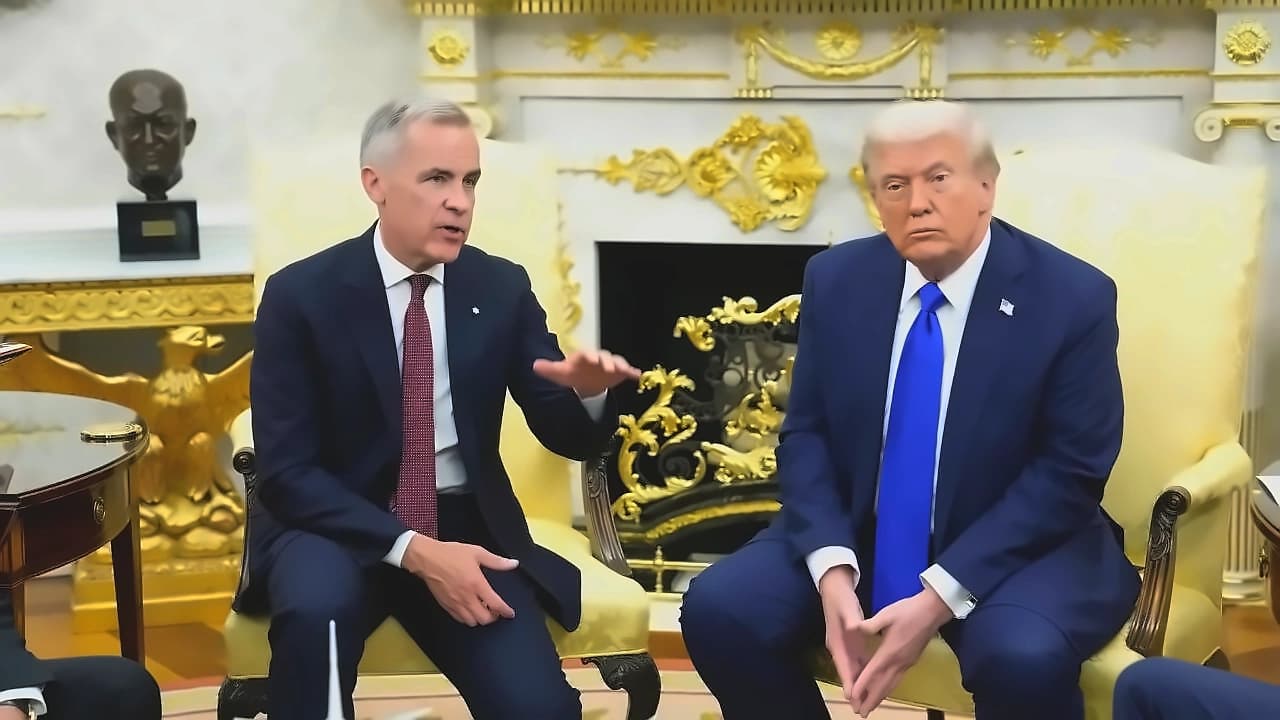
The US and Canada are racing against time to avert a new round of tariffs as President Donald Trump threatens 50% levies on USD 20 billion worth of Canadian products that could take effect at 12:01 am Wednesday. As reported by The Times of India, Canadian Prime Minister Mark Carney confirmed that talks were underway earlier on Monday, stating "We are negotiating." The Trump administration plans to apply these tariffs under Section 338 of the Tariff Act of 1930, a provision never used before that allows up to 50% tariffs on imports from countries that discriminate against US businesses. This represents a significant escalation from previous trade tensions, with the tariffs targeting products that account for about 5% of Canadian exports to the United States. According to The Times of India, Carney and Trump also spoke by phone Monday afternoon about the trade negotiations, as both sides sought to make progress before the deadline.
The current tensions mark an extraordinary departure from the traditionally cooperative relationship between the two countries. According to The Times of India, nearly 72% of Canadian goods exports last year went to the United States, making the stakes particularly high for both nations. The 5,525-mile US-Canada border sees nearly 330,000 people and USD 2 billion worth of goods cross daily, with 800,000 Canadians living in the United States. The Canadian public's frustration has reached boiling point, with a petition to expel the US ambassador collecting nearly 218,000 signatures since July 21, accusing Ambassador Pete Hoekstra of normalizing Trump's talk of annexing Canada. As reported by The Times of India, Trump's stance on Canada has nevertheless shaken that traditionally cooperative relationship, with his administration having imposed tariffs on Canadian goods as part of an effort to bring manufacturing back to the United States. The rhetoric and tariff measures have fuelled anger in Canada, with the petition accusing Hoekstra of having "normalized" Trump's talk of annexing Canada.
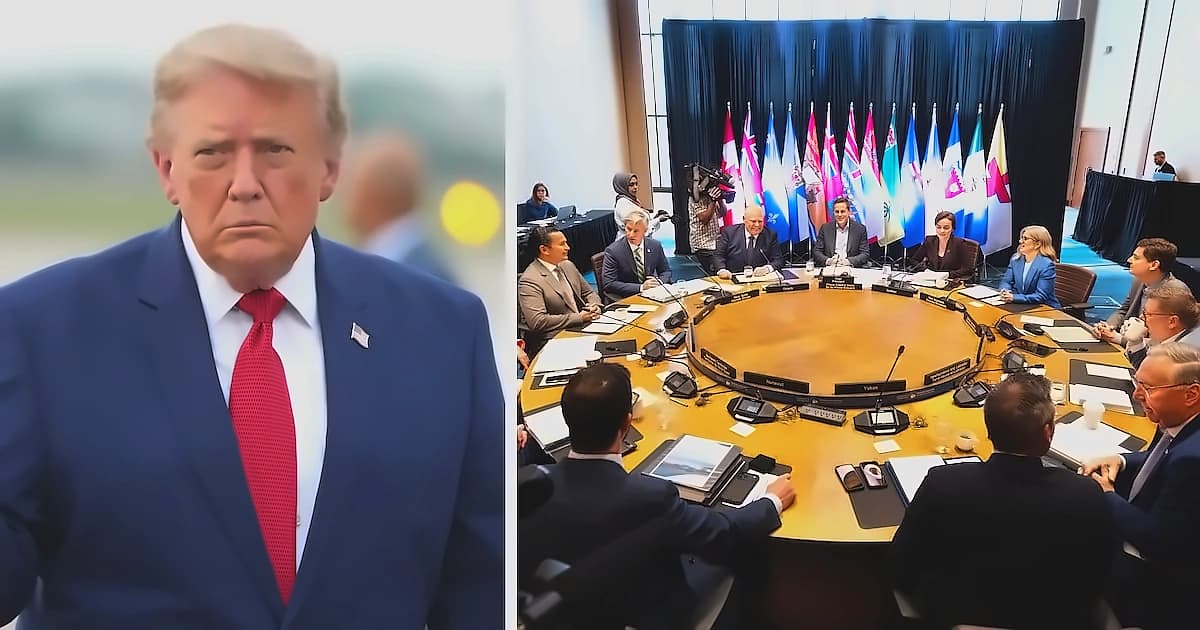
The potential agreement would see the US back away from the 50% tariffs and reduce certain Section 232 tariffs on Canada. As reported by The Times of India, Washington wants Canada to purchase more US military equipment, including F-35 fighters, participate in Trump's "Golden Dome" missile defence system and provide the United States with greater access to critical minerals to reduce America's reliance on supplies from China. According to The Times of India, Ottawa, meanwhile, wants the US to ease tariffs on steel and aluminium and softwood lumber. The US has argued that Canadian softwood lumber receives unfair government subsidies. A key component would be lowering the US auto tariff from 25% to 15% for Canada and Mexico, which would effectively reduce the tariff to 7.5% for Canadian vehicles given that roughly half their value comes from US components. According to The Times of India, "I don’t think either side really wants these tariffs to come into effect," said Ryan Majerus, a partner at King & Spalding and a former US trade official, noting there's "a pretty strong push on both sides to find an off ramp here."
The liquor restrictions have caused significant damage to US exporters, with Canadian imports of American alcoholic beverages plunging 81% in a year, according to White House data. According to The Times of India, Carney cannot order provincial governments to remove the liquor bans, as each province has its own grievances with the US. A KPMG survey of business leaders found about 70% said the Canadian government should take a tough stance in negotiations, with Joy Nott from KPMG's trade practice noting that conceding without getting anything in return would be seen as negative. As reported by The Times of India, the Canadian government "cannot look like it is simply caving to the Trump administration's demands," according to Daniel Beland, a political science professor at McGill University, as making further concessions without meaningful exchange could lead to strong backlash. The liquor restrictions have caused significant damage to US exporters, with Canadian imports of American alcoholic beverages plunging 81% in a year, according to White House data.
The tariff policies have caused domestic aluminum prices to skyrocket, rising much faster than global prices last year, with the 'Midwest premium' more than doubling after the 50% tariffs took effect. As reported by The Times of India, an overall rise in tariffs from 6.5% to 10.5% would significantly impact both countries, though the effective rate would jump from 1.9% to 5.9%. According to The Times of India, Washington, too, faces potential costs from another round of tariffs, as importers who pay the tariffs may try to pass those costs on to consumers through higher prices, at a time when American voters are already unhappy about the cost of living. The situation highlights how Trump's tariff policies have destroyed what was previously described as 'the world's best trading relationship' while generating substantial revenue losses for the US government. According to The Times of India, the threat of Section 338 tariffs gives the United States leverage to seek fresh concessions from Ottawa in renegotiating the US-Mexico-Canada Agreement, though Canada could retaliate again if the new 50% tariffs take effect, potentially aggravating an already tense trade fight.