The US-China trade truce has been extended through January 10, 2027, with significant progress on coal trade agreements. According to the latest White House announcement, China has agreed to import at least 10 million metric tons of coal from the US in both 2027 and 2028, marking a substantial development in energy trade relations. This agreement comes as coal production remains high on President Trump's agenda, with his administration moving to revitalize the industry to consolidate its position as a premium energy source for the country. Trump announced in June that he would marshal hundreds of millions of taxpayer dollars to strengthen the coal sector, addressing soaring energy prices amid surging demand from new factories and data centers fueling the artificial intelligence industry. The coal import commitment of 10 million metric tons annually roughly equals 2% of China's total coal imports each year, as confirmed by the Chinese Commerce Ministry, which stated that "importing US coal is not only a beneficial supplement to China's domestic coal market, but also brings stable economic income and employment to the US coal industry."
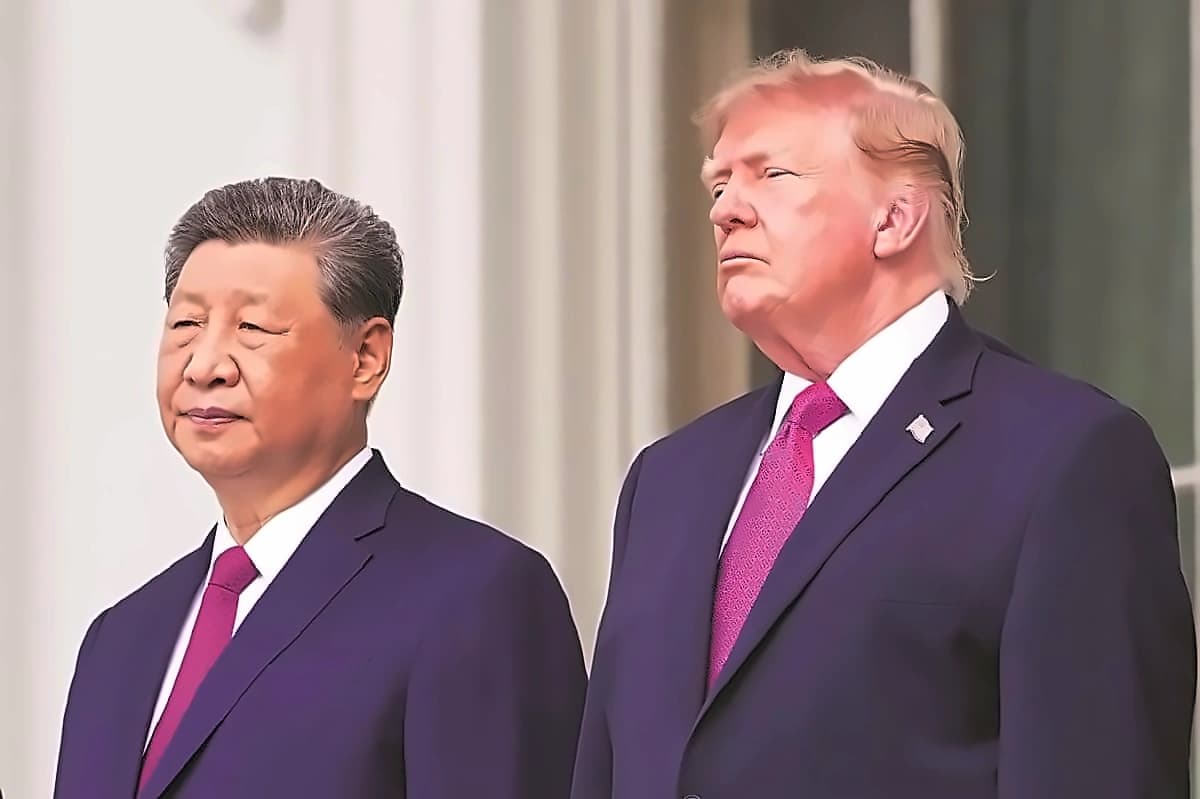
Beyond coal, the US-China agreement includes preferential tariff arrangements covering $60 billion of goods from either nation under the US-China Board of Trade framework. According to US Trade Representative Jamieson Greer, "for the United States, that was 'unlocking improved market access' for about 30% of US exports to China." Under the latest agreement, China has agreed to trim duties on a variety of US agricultural goods including corn, wheat, sorghum, meat, dairy, vegetable oils and meals, with the agricultural working group, led jointly by China's Commerce Ministry and the Office of the US Trade Representative, scheduled to hold its first meeting before the year ends. The White House has released comprehensive details showing about 90% of the products covered by the reciprocal arrangement having their tariffs reduced to most-favored-nation rates, with goods proposed for import to the US including fireworks, household products, sports equipment and toys, while China's import list includes meat, seafood, dairy products, grains, coal, timber and medical equipment. Each side has identified about $30 billion worth of non-sensitive products that could qualify for lower tariffs, potentially widening access to each other's markets. The tariff reductions were among the key outcomes of the meeting between US President Donald Trump and Chinese President Xi Jinping in Washington last week.
China's tariff reduction list issued on Monday includes corn, wheat, sorghum, vegetable oils and meals, meat and dairy products, among other agricultural goods, while maintaining an additional 10% tariff on soybeans. According to Reuters, soybean oil and soymeal are covered, while whole US soybeans have been excluded from the tariff reduction. This treatment comes despite Chinese state-run buyers Sinograin and COFCO having purchased more than 12 million metric tons of US soybeans so far, which is nearly half of the 25 million metric tons that the White House has said China agreed to purchase each year through 2028. Traders have said this level remains too high for private crushers to absorb, though state buyers have stepped up their purchases. Feng Chucheng from Hutong Research noted that "despite the soybean being a non-sensitive item in trade, the political significance of China's soybean purchase is enormous and carries major political implications," giving Beijing leverage to restrain US actions, especially ahead of midterm elections. The broader tariff reductions could help address the $17 billion value of agricultural purchases that China has committed to making from the US, with trade in these products worth about $17 billion in 2024 according to Reuters calculations.
The latest agreement includes a new bilateral dialogue on artificial intelligence between the two nations, marking a significant development in high-tech cooperation. According to Goodreturns, this dialogue was agreed upon during Chinese President Xi Jinping's three-day state visit to the US, with the agreements forming part of an eight-point consensus reached during Xi's meetings with US President Donald Trump. The White House separately confirmed that the two countries had reached consensus on more favourable tariff treatment for $30 billion of non-sensitive goods in each direction. As per Reuters, the latest arrangement was carried out by the creation of a bilateral trade council and an agreement to extend the outcomes of earlier negotiations in Kuala Lumpur. The next exchange on artificial intelligence is scheduled by November, with the two sides agreeing to use the term 'super intelligence' rather than 'artificial intelligence' to describe applicable emerging technologies. China's Foreign Ministry spokesperson confirmed that "China attaches importance to the position of the US side and respects their choice of the term." Additionally, China will examine and approve foreign financial services institutions, including those with US capital, to conduct business and open branches in China, with continued communication on increasing flights between China and the United States.
Stocks fell sharply in China on Monday, with investors having few concrete details to cheer from the leaders' summit and underlying tensions resurfacing. According to CNBC TV18, technology stocks fell on a bipartisan US push to ban Chinese components from data centres and the benchmark blue-chip index slid more than 2% to a one-year low. The two-month extension of the trade truce provides room for both sides to evaluate their ongoing arrangement and consider how to advance on economic and trade issues, as confirmed by China's Commerce Ministry. The ministry stated that "the extension also provides a 'relatively stable and predictable policy environment' for cooperation among companies and continued active discussions." Both sides will hold regular talks on potential investment opportunities and barriers, enhancing policy transparency and predictability, and responding to enterprises' concerns. The agricultural working group will hold its first meeting before the year ends to discuss two-way market access and regulation, with China having already resumed large-scale buying of US soybeans under a deal struck last year to buy 25 million metric tons annually. The move is expected to improve market access for a significant share of US exports to China and forms part of a broader effort by Washington and Beijing to stabilise their trade relationship.