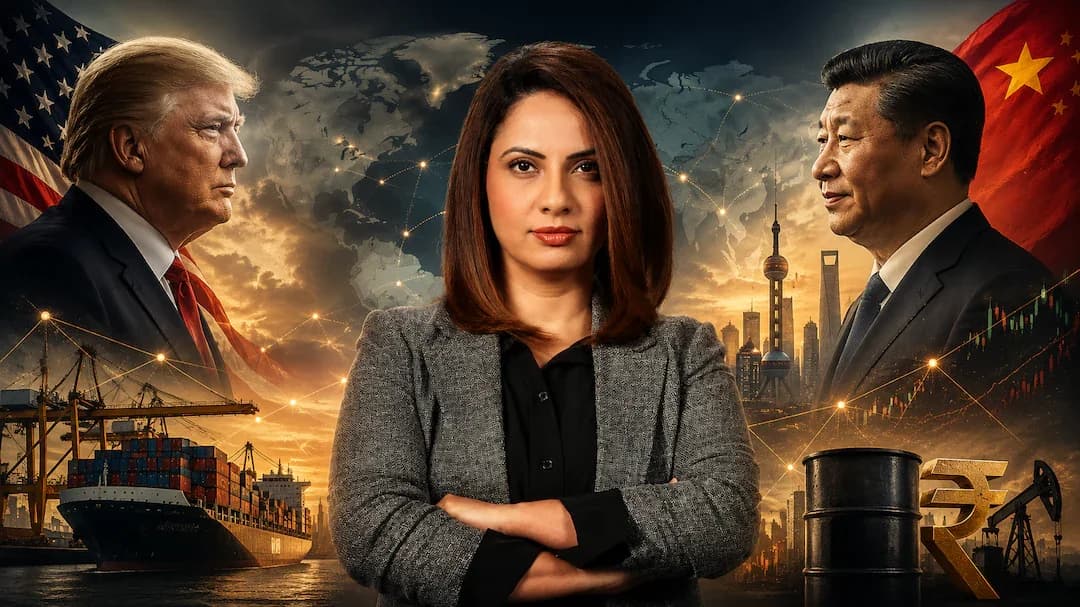
President Donald Trump will personally welcome Chinese President Xi Jinping at Joint Base Andrews on Wednesday when Xi arrives for his first state visit to the United States in more than a decade. As reported by Business Standard, this marks an unusual protocol as Trump typically meets foreign leaders at the White House, but he will be there to personally greet Xi for the historic visit. The heart of the visit comes Thursday when Trump and first lady Melania Trump welcome Xi and his wife Peng Liyuan at an arrival ceremony held indoors on the State Floor of the White House. Trump and Xi will participate in a review of troops in the Rose Garden before retreating behind closed doors for their high-stakes talks. The first lady and Peng Liyuan will hold a separate engagement while their spouses engage in business discussions, with the visit concluding Friday with a private tea and tour of the National Archives.
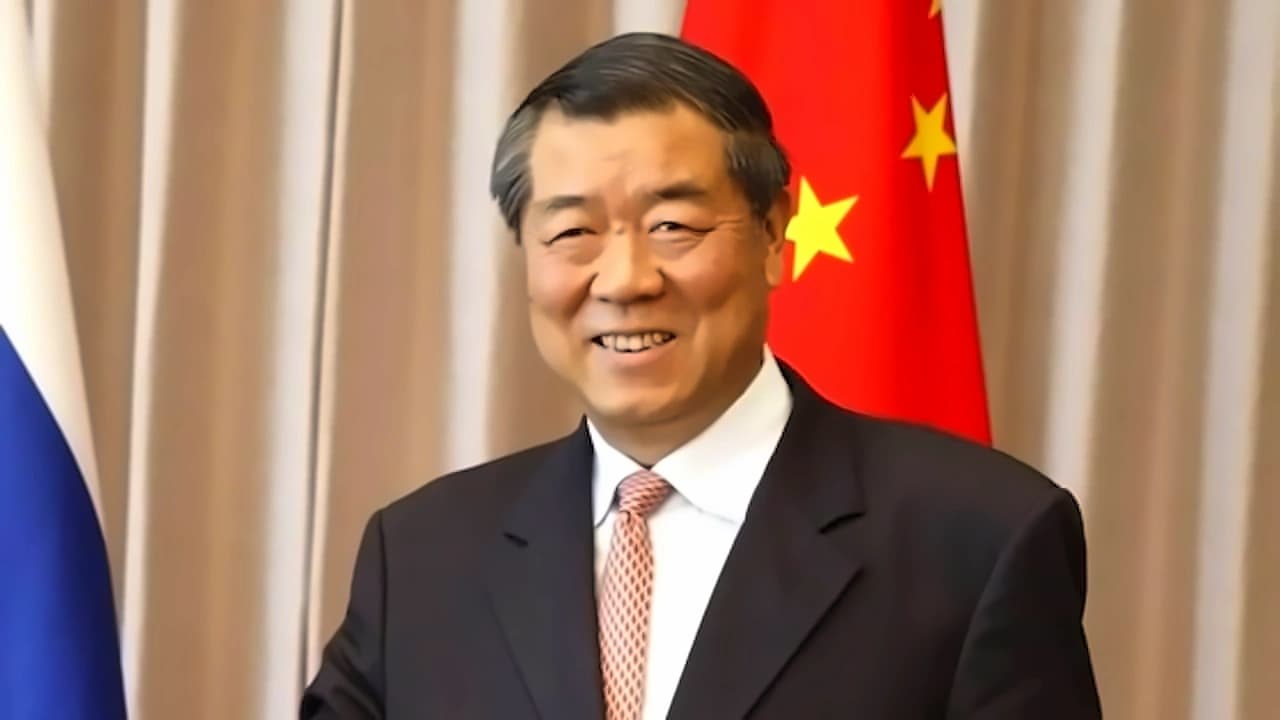
Treasury Secretary Scott Bessent opened the door to talks on artificial intelligence risks with China, announcing that Washington will raise shared dangers at economic meetings in New York this weekend. As reported by Reuters, Bessent, US Trade Representative Jamieson Greer and Chinese Vice Premier He Lifeng are scheduled to meet on Sunday, with the discussions expected to continue into Monday at a technical or working level. The agenda is expected to remain flexible, with AI expected to be a key focus of the discussions. Bessent stated that "The United States remains the leader in AI, and we are open to discussions on avoiding shared risks and avoiding bifurcation of our two systems. We expect our discussions to cover both open and closed weight models." Bessent attached one limit, stating that Washington will not slow its own AI development, and it still treats the technology as a race it intends to win.
The United States and China are actively discussing lowering tariffs on select goods ahead of the upcoming leaders' summit, with prospects solidifying as the two sides discuss slashing tariffs on goods including American energy and agricultural products. Treasury Secretary Scott Bessent announced he will meet with his Chinese counterpart He Lifeng this weekend, with the summit between President Donald Trump and Xi Jinping scheduled for September 24 in Washington. The discussions are expected to result in an agreement to cut duties on Chinese inputs for manufacturers, as reported by people familiar with the matter. According to Business Standard, the US and China have been working to reduce levies on American energy and agricultural products, part of a broader initiative to ease barriers on $30 billion worth of products from each side under the Board of Trade mechanism launched earlier this year. However, officials indicated they did not expect the United States would be ready to ease export controls to allow for a greater flow of rare earth minerals into the global market. An announcement of new US tariffs over allegations of trading partners' excess manufacturing capacity has been delayed until after the meeting, according to people familiar with the matter, as both sides want to avoid another flare-up and relative stability in the relationship is likely to continue.
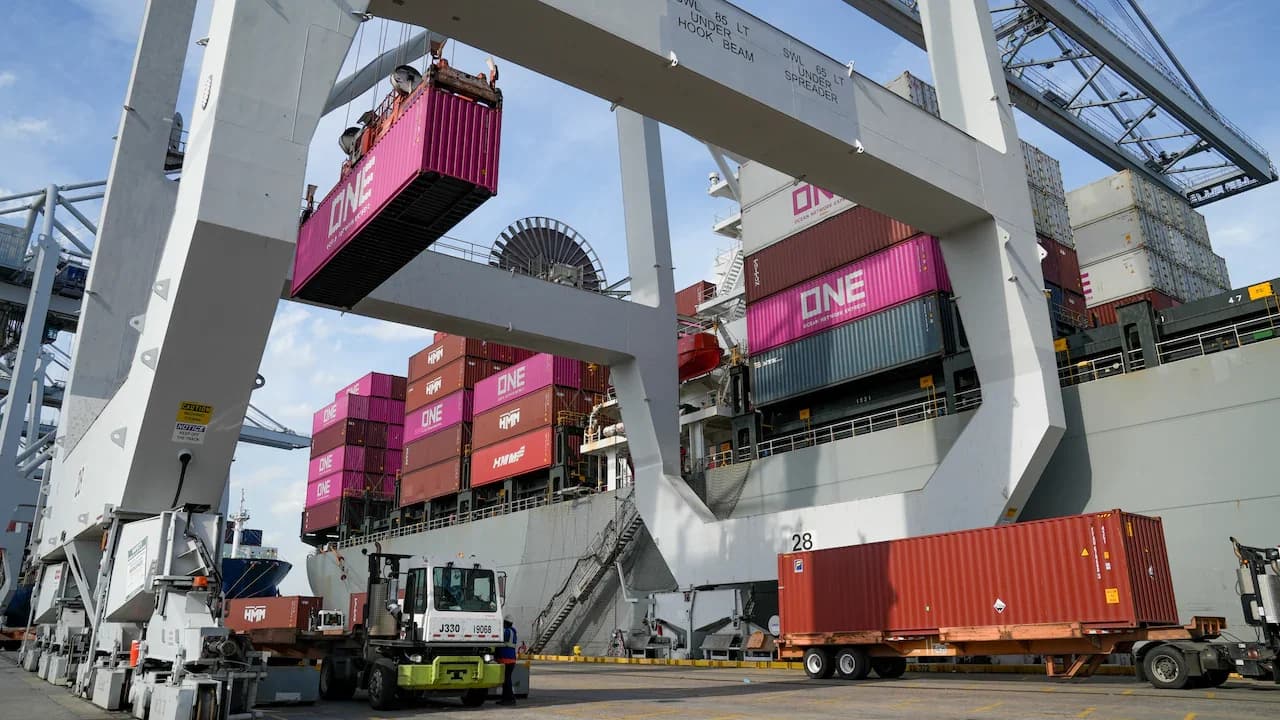
Agricultural goods, led by soybeans, are one of the biggest US exports to China, reaching $29 billion in 2024, and are among the least sensitive parts of the trade relationship, making them a likely area for agreement. At the Busan summit in South Korea last year, China agreed to purchase 25 million metric tons of US soybeans annually through 2028, according to the White House. US officials say Beijing then agreed to add on another $17 billion in other agricultural product purchases during Trump's visit to Beijing in May. Beijing has never acknowledged those agreements, but is nonetheless on track to meet the soybean commitment. Hitting the other target will probably require exempting agricultural imports from a final 10% tariff leftover from the trade war. Analysts expect some waivers after US Trade Representative Jamieson Greer said on September 3 there could be announcements to incentivise US agricultural sales to China. Sorghum and corn are candidates as historically they were the largest exports apart from soybeans. In energy, Chinese exports to the US have rebounded this year, showing the limits of Trump's tariffs but also reflecting a surge in demand for AI-related electronics produced by China. Bloomberg reported that energy tariffs could be part of the $30 billion package of reciprocal tariff cuts, which could lead to the resumption of imports that annually ranged from $7.5 billion to $12 billion between 2020 and 2024.
Representatives from state-owned food trading firm Cofco may join Xi when he travels to the US, highlighting the central role agriculture will play in discussions. More than a dozen firms are being considered for a CEO delegation, though a final decision hasn't been reached. For his state visit in May, Trump brought more than a dozen CEOs to China, including Nvidia Corp.'s Jensen Huang and Tesla Inc.'s Elon Musk, who met with Premier Li Qiang. The upcoming summit is expected to include a state dinner at the White House, with China yet to confirm Xi's travel dates, a practice they typically follow only days in advance. Among the executives scheduled to attend the state dinner are Amazon founder Jeff Bezos, Tesla and SpaceX's Elon Musk, Sundar Pichai of Google and Michael Dell, the CEO of Dell Technologies, according to the White House. Also on the guest list are Nvidia's Jensen Huang, OpenAI's Sam Altman, Citigroup's Jane Fraser, and Apple's Tim Cook, who recently stepped down as CEO. This would be the second meeting between the two leaders this year, with Trump having traveled to Beijing for a state visit in May. Bloomberg reported earlier this week that Chinese officials were considering BYD Co. for a possible business delegation joining Xi at the summit — a potentially provocative move given Trump's tariffs on Chinese-made electric vehicles. Trump has suggested he might be willing to allow a Chinese car company to build in the US, if it did so with American workers.
Despite the tariff discussions, expectations for the summit remain tempered by China's relations with Iran and Russia as well as competition over leading-edge technologies such as artificial intelligence. Treasury Secretary Scott Bessent emphasized the importance of maintaining US leadership in AI, stating that "it does matter whether the good guys or the bad guys have this." He highlighted concerns about Chinese AI firms gaining ground on Silicon Valley rivals, with three US national security agencies last week accusing Chinese AI firms including DeepSeek and Moonshot AI of systematically extracting proprietary knowledge from American firms. Bessent also addressed Iran-related tensions, expressing his anticipation to discuss sanctions with Chinese officials as the US increases economic pressure on the Islamic Republic. According to Business Standard, one Chinese official familiar with planning for the meeting said China's top issue would be Taiwan, particularly a planned US weapons sale. The official added that China would offer more permits for rare earths as a bargaining chip, without disclosing details on what Beijing would seek in return. Regarding rare earths, maintaining flows of Chinese rare-earth magnets was a priority for Trump when he agreed last year's truce, and since then, China's monthly exports of the critical industrial components have been running substantially below the levels that prevailed before Beijing imposed export controls in April 2025. In recent weeks, AI has rapidly emerged as a new fault line between the US and China, with Washington restricting China's access to advanced chips and accusing Chinese firms of developing their own domestic models by "distilling" capabilities from American tech. Beijing has pushed back on calls from US tech leaders to pace AI development in the interest of safety, with the country's foreign ministry dismissing such moves as "fear-mongering" and state media denouncing them as "self-serving."