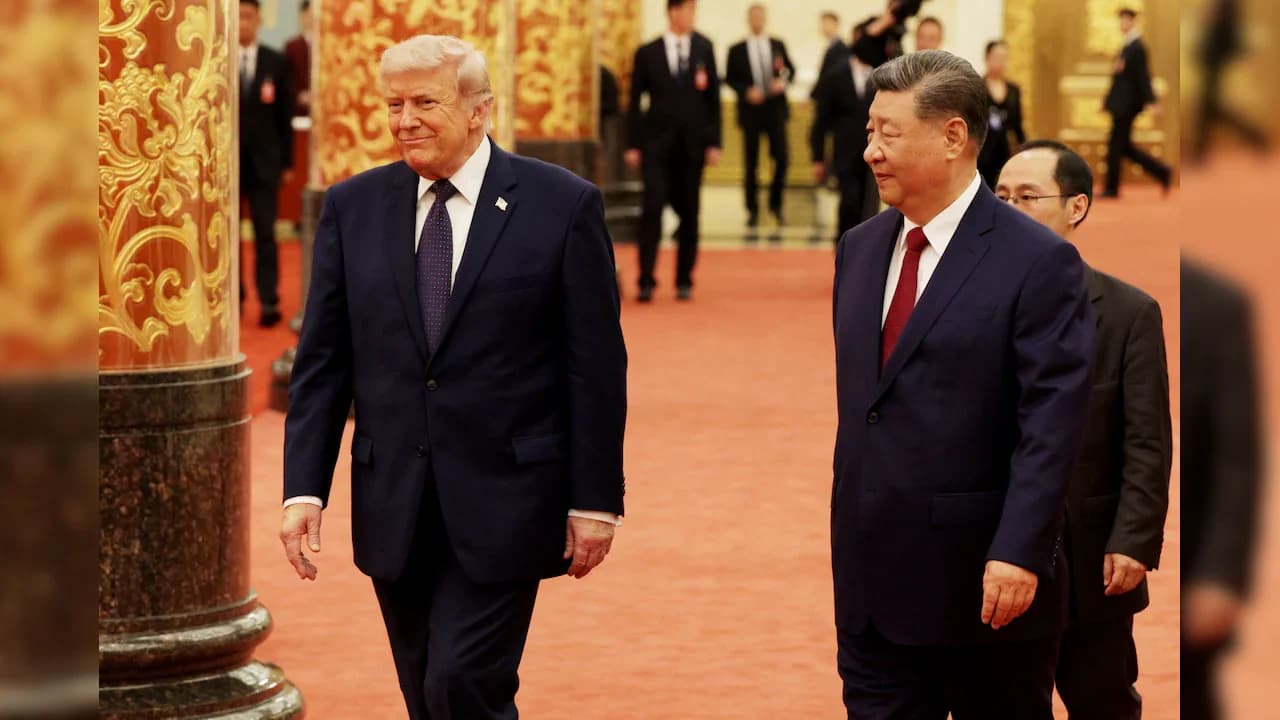
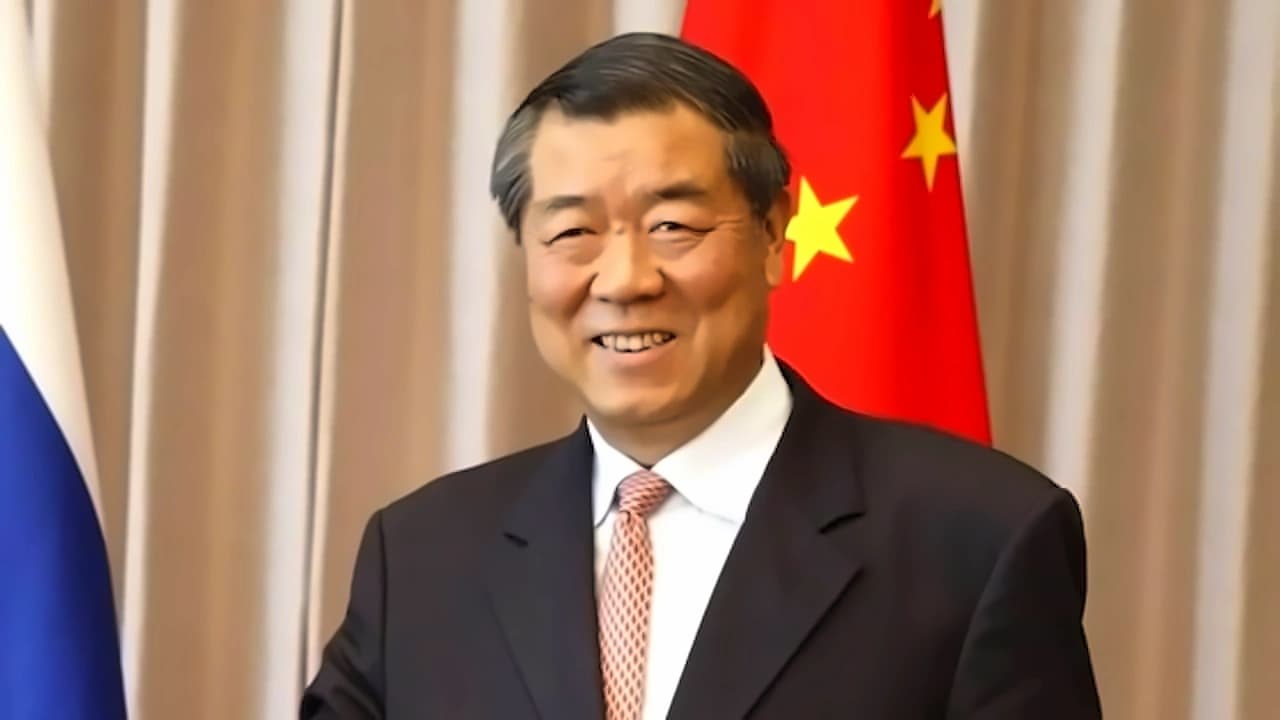
US Trade Representative Jamieson Greer will join US Treasury Secretary Scott Bessent and China's Vice Premier He Lifeng for trade and economic consultations in New York on Sunday, according to a statement from Greer's office. As reported by Business Standard, the negotiators are laying groundwork for the September 24 summit in Washington between President Donald Trump and Chinese President Xi Jinping. Bessent and He last met face-to-face near Seoul four months ago, just days before Trump visited Beijing in May. China's Commerce Ministry confirmed the talks would take place on Saturday, with the discussions expected to address energy disruptions from the Iran war, the artificial intelligence boom, and trade and investment issues.
According to Business Standard, tariffs, agricultural products like soybeans, and AI technology will feature prominently on the agenda, with autos, technology and e-commerce also under discussion. One Chinese official familiar with planning said easier discussions will be held around tariffs and agricultural products, while AI, autos, technology and e-commerce will feature on the agenda. The official added that China would offer more permits for rare earths as a bargaining chip, without disclosing details on what Beijing would seek in return. As reported by Reuters, the talks are expected to address tariffs, artificial intelligence, rare earth minerals and broader economic issues, with discussions covering AI safeguards and technology-related trade restrictions.
As reported by Business Standard, the US and China are working to reduce levies on American energy and agricultural products, part of a broader initiative to ease barriers on $30 billion worth of products from each side under the Board of Trade mechanism launched earlier this year. The world's two largest economies reached a fragile truce in October 2025 after months of tariff tensions, but the deal expires in November. Adding urgency for US officials to extend the agreement are November 3 midterm elections where inflation remains a persistent voter concern. An announcement of new US tariffs over allegations of trading partners' excess manufacturing capacity has been delayed until after the meeting, according to people familiar with the matter.
In recent weeks, AI has rapidly emerged as a new fault line between the US and China. Washington has restricted China's access to advanced chips and accused Chinese firms of developing their own domestic models by "distilling" capabilities from American tech. Beijing has pushed back on calls from US tech leaders to pace AI development in the interest of safety, with the country's foreign ministry dismissing such moves as "fear-mongering" and state media denouncing them as "self-serving." As reported by Business Standard, Treasury Secretary Bessent told reporters earlier this month that "As the number one and number two superpowers in AI by a lot, it behooves all of us to put up guardrails, to have close communication."
A more immediate threat to both economies is the energy shock from Iran sanctions, with the White House stepping up pressure on Iran and its trading partners. China provides Tehran with an economic lifeline as the biggest buyer of Iranian oil. Bessent's Treasury Department is ratcheting up pressure on financial institutions as part of efforts to choke off trade and financial flows between Iran and the rest of the world, fueling speculation that Chinese banks could be targeted. A US naval blockade has sharply curtailed crude oil flows to China, raising the prospect of refinery run cuts in the coming weeks across the teapot sector, which makes up one-third of national refining capacity.