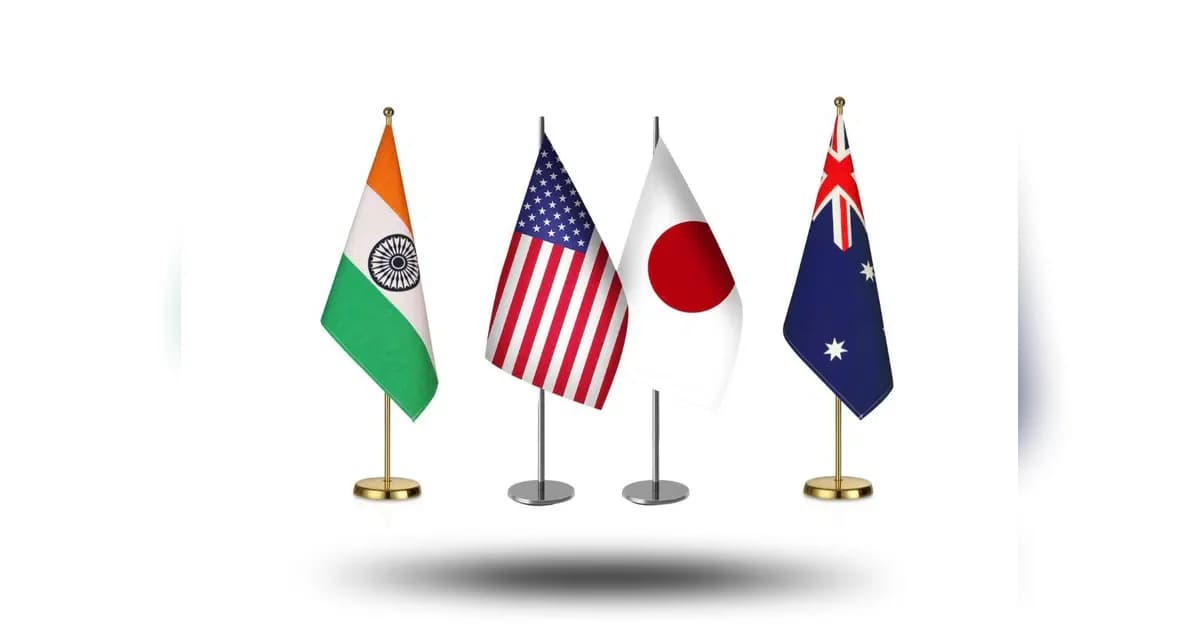
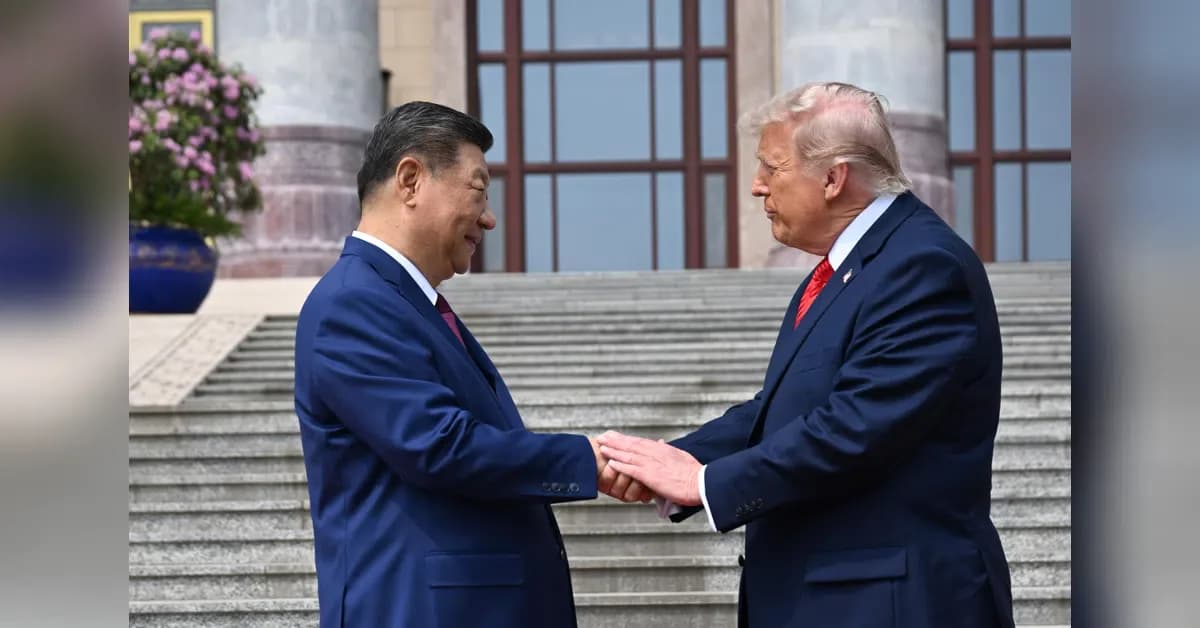
US President Donald Trump's two-day state visit to Beijing concluded with discussions on trade, Taiwan, and the war on Iran between Trump and Chinese leader Xi Jinping. The summit marked a notable shift toward managed rivalry rather than reset, with the meeting revealing a pragmatic U.S.-China reset shaped by Middle East crises, trade tensions, and Taiwan uncertainty. According to reports from NDTV Profit, Trump appeared more measured and conciliatory during the summit, with the sharp elbows largely absent from his approach. The summit carried limited but important reassurance for markets and supply chains, particularly given anxieties surrounding critical minerals, semiconductor supply chains and energy flows. However, the meeting reinforced that the US-China relationship will remain the defining axis of global geopolitics, with other major powers continuing to calibrate their strategies around this uneasy equilibrium. For India, the implications are particularly complex, as New Delhi has benefited from sustained US-China rivalry that has elevated India's importance in Washington's Indo-Pacific calculus, while simultaneously accelerating 'China Plus One' diversification strategies.
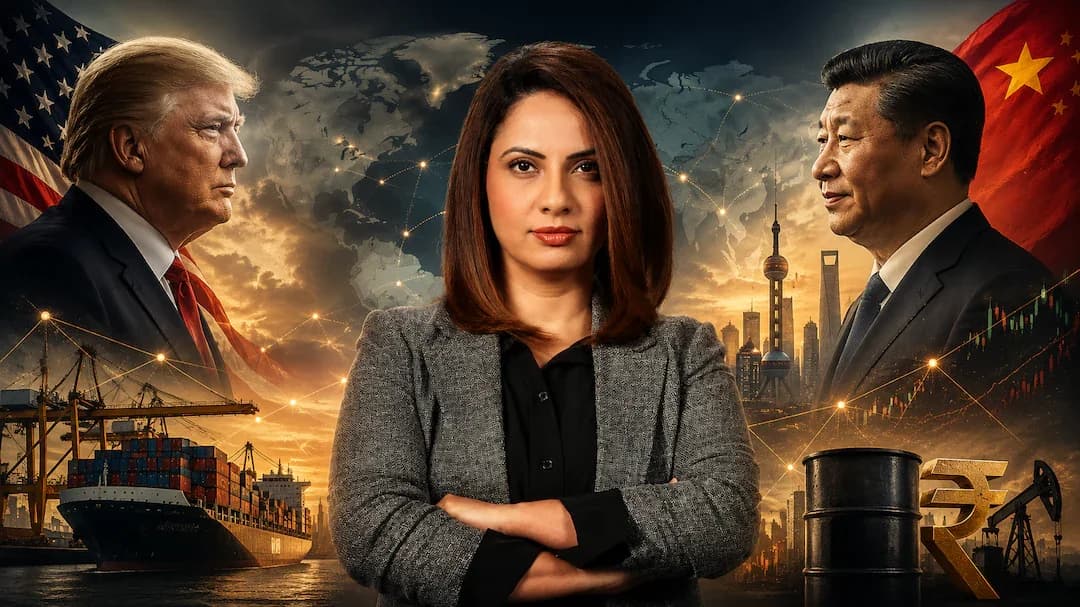
After nearly four years of fuel prices remaining largely unchanged, the Indian government has implemented a ₹3 per litre increase in petrol and diesel prices. As reported by NDTV Profit, this modest hike is intended to signal government intent without triggering significant political backlash. However, the adjustment addresses a deeper structural issue, as oil marketing companies are still under-recovering on approximately 90% of what they spend to supply fuel at the pump. The ₹3 hike represents a rounding error in the context of this gap and does not fix the oil marketing companies' balance sheets, but it marks a shift in government posture away from subsidising crude price volatility within the state oil sector. The move is being read as a trial balloon, with analysts suggesting a second tranche cannot be ruled out if the current adjustment passes without significant political backlash over the next fortnight.
Prime Minister Narendra Modi's recent appeals for frugality in gold purchases and fuel conservation carry a deliberate subtext of fiscal consolidation. According to NDTV Profit, the government is preparing the nation for a period of spending restraint after years of available fiscal headroom. The belt-tightening approach includes tightened gold import duties and the recent fuel price adjustment, both measures that squeeze disposable income at the margins. The government's approach suggests a carrot-and-stick strategy, balancing cost-cutting measures with potential incentives to attract global capital, potentially including targeted investment concessions, simplified entry norms, and faster regulatory clearances. The question facing analysts is whether the government will accompany these measures with incentives to maintain economic momentum during the consolidation phase.
For India, the summit's implications are particularly complex given the country's strategic position between the two superpowers. As reported by NDTV Profit, New Delhi has benefited from sustained US-China rivalry, which has elevated India's importance in Washington's Indo-Pacific calculus, while simultaneously accelerating 'China Plus One' diversification strategies. However, any prolonged thaw between Washington and Beijing inevitably generates some unease in Indian strategic circles, particularly if it reduces US urgency in strengthening partnerships with countries like India. The visit did not alter the fundamental trajectory of US-China relations but merely reaffirmed a reality both sides understand: that neither confrontation nor accommodation offers a sustainable path forward. What is emerging instead is a prolonged phase of negotiated rivalry - one defined by selective cooperation, persistent mistrust and continuous strategic bargaining. The world, including India, will have to adapt accordingly to this new reality of managed competition. The pragmatic approach marks a departure from the great-power competition framework that defined much of the previous decade, with the administration's national security documents placing less emphasis on China as the singular pacing threat, focusing instead on hemispheric concerns and immediate crises.