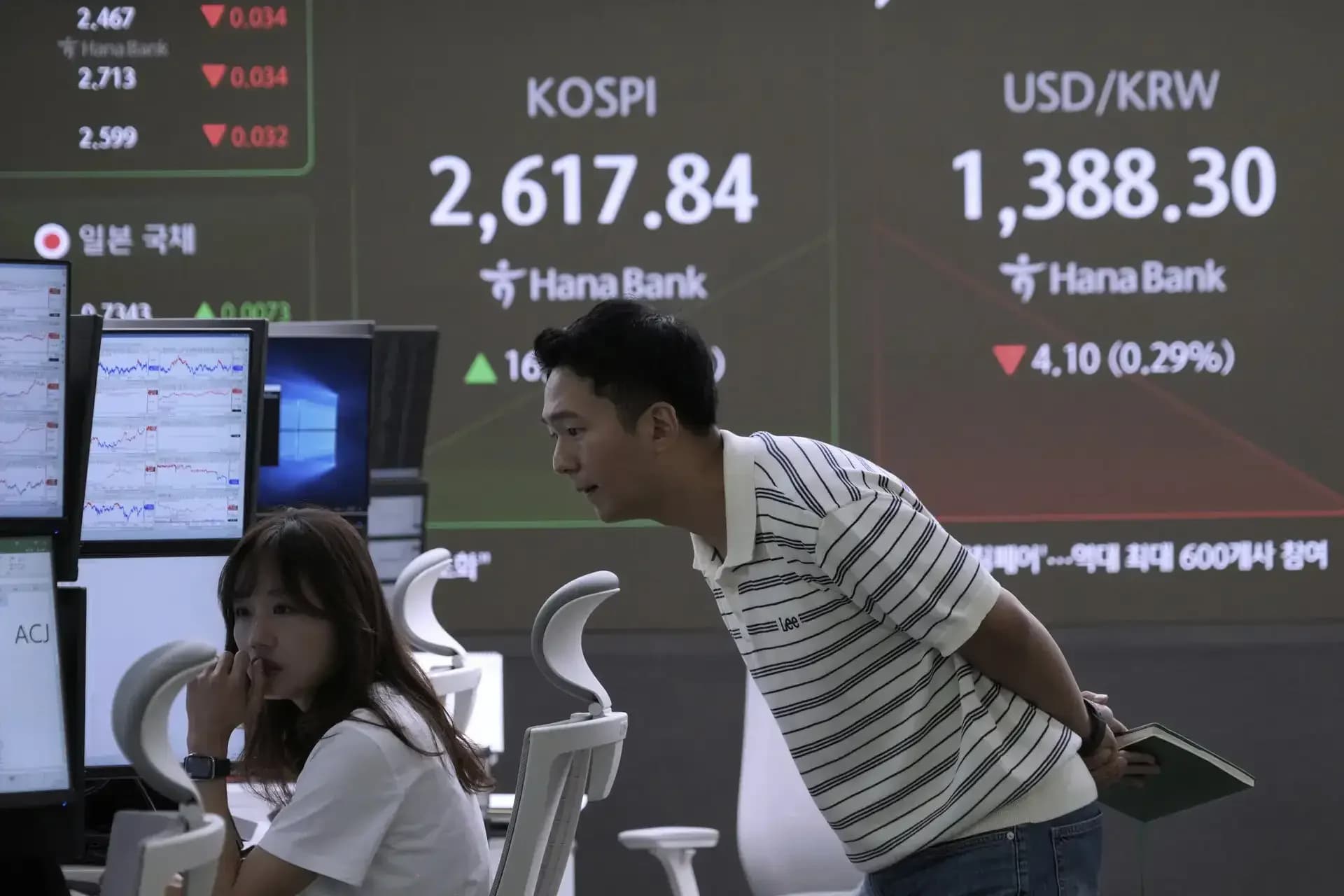
Asian markets showed strong performance Thursday, with stocks rising powered by AI fervour that pushed South Korea's SK Hynix to the brink of joining the trillion-dollar club. According to latest reports, Hong Kong's benchmark Hang Seng Index opened up 448 points, or 1.7 percent, at 26,836, while the China enterprises index was 193 points, or 2.18 percent, up at 9,070 and the tech index surged 164 points, or 3.23 percent, higher at 5,258. The positive momentum came after another tech-led rally on Wall Street, where the Nasdaq and S&P 500 hit fresh record highs overnight, buoyed by robust earnings and continued enthusiasm for artificial intelligence investment. As per multiple reports, currency markets were relatively steady with the yen slightly weaker and the yuan ticking higher, following significant gains in US markets.
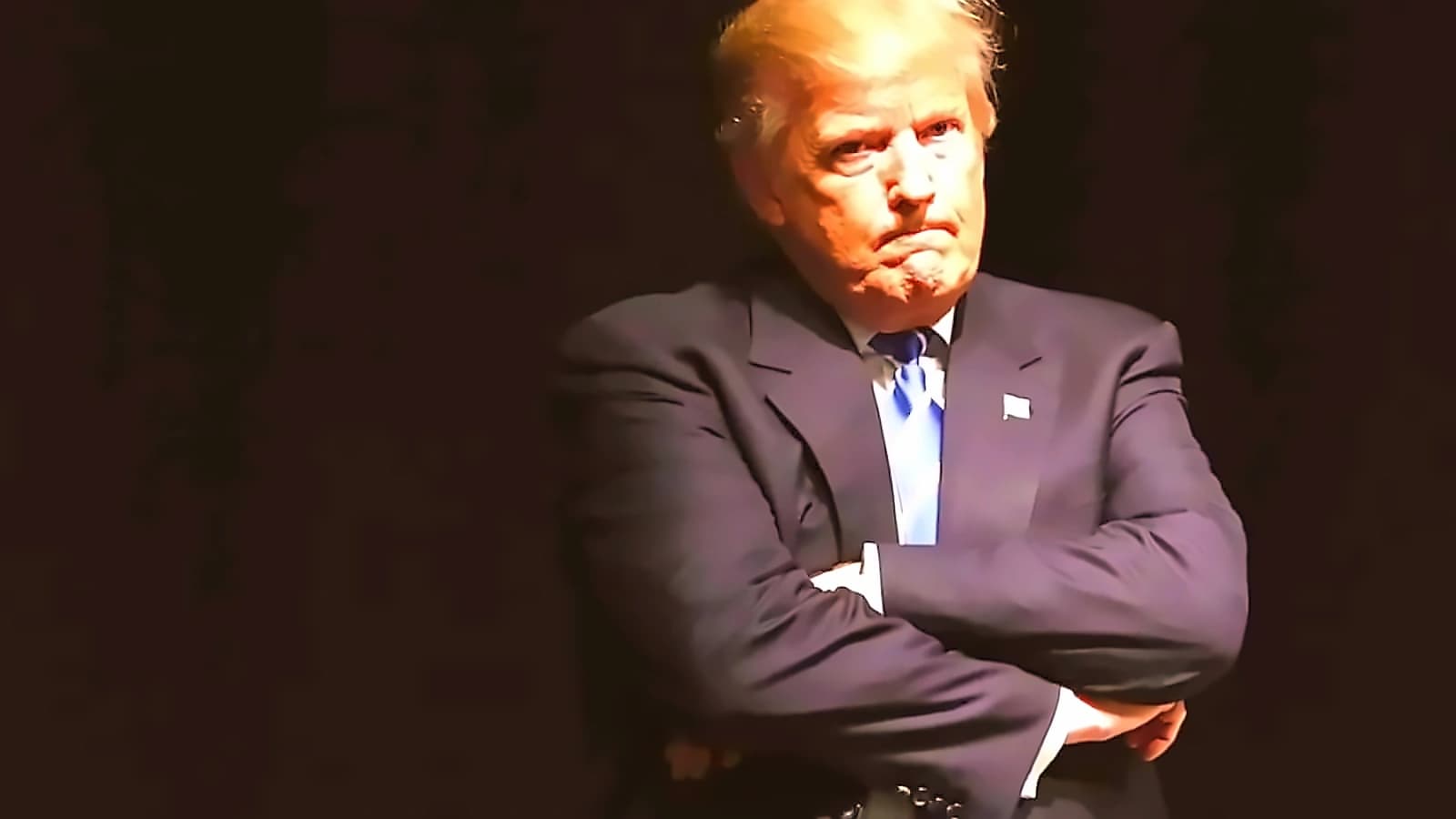
Trump and Chinese President Xi Jinping shook hands at the Great Hall of the People in Beijing for the highly anticipated meeting, with markets hoping for progress in easing trade tensions. The meeting of the superpowers was overshadowed by the war in the Middle East, which has seen the crucial Strait of Hormuz effectively closed -- sending global energy prices soaring. International benchmark Brent crude was marginally up Thursday morning, going for a little over $105 a barrel. There was warmth from the get-go, with Trump telling Xi "we're going to have a fantastic future together" and the Chinese leader telling his American counterpart that he was "happy" for the visit. The meeting included a US delegation including Secretary of State Marco Rubio, Defense Secretary Pete Hegseth and business CEOs including Elon Musk. Michael Strobaek, global chief investment officer at Lombard Odier, noted that preserving the status quo may be the most the Trump-Xi meeting can achieve amid Middle East uncertainties. Analysts cautioned against expecting a major breakthrough from the summit.
US wholesale inflation accelerated in April to the fastest pace since 2022, with the producer price index rising 6% from a year ago, according to Bureau of Labor Statistics data. Month-on-month increases greatly exceeded expectations and were at their highest level since March 2022, following Tuesday's rise in the consumer price index. This war-driven increase in energy prices is feeding into higher freight transportation costs, with the average price of a gallon of diesel in the United States up around 50 percent since the start of the war, according to the AAA motor club. The yield on benchmark 10-year Treasuries rose to the highest level since July, with investors fleeing Treasuries after back-to-back US inflation reports this week showed mounting price pressures. These developments have pushed traders to boost wagers on a Fed rate hike in the coming year.
First-quarter profits at S&P 500 companies have surged 27% so far, more than double the roughly 12% analysts had expected, as reported by CNBC TV18. This represents the fastest year-on-year earnings growth outside of recoveries from major shocks since 2004. The strong corporate earnings performance has been a key driver supporting US stocks' push to record highs, alongside expectations that AI-driven spending will sustain growth. As per CNBC TV18, the bullish run for US stocks may extend should a recovery in earnings and still-low positioning outweigh the threat from higher bond yields, with Morgan Stanley strategists expecting the S&P 500 to reach 8,300 in the next 12 months from its current trading level near 7,444.
In Tokyo, the Nikkei was up 189 points, or 0.3 percent, at 63,461 at one point before noon, while in Seoul, the Kospi was 80 points, or 1.02 percent, higher at 7,924 at one stage before midday. Up north, the Shanghai Composite Index opened up 13 points, or 0.32 percent, at 4,256, with the Shenzhen Component Index up 112 points, or 0.7 percent, at 16,202 and the ChiNext Index up 49 points, or 1.2 percent, at 4,087. The Nasdaq led major US indices, piling on 1.2 percent behind big gains in most tech giants, including Nvidia and Google parent Alphabet, despite the inflation concerns. Investors are now looking to the Trump-Xi talks for direction, with even modest progress on trade or technology cooperation seen as enough to boost risk appetite in the near term.