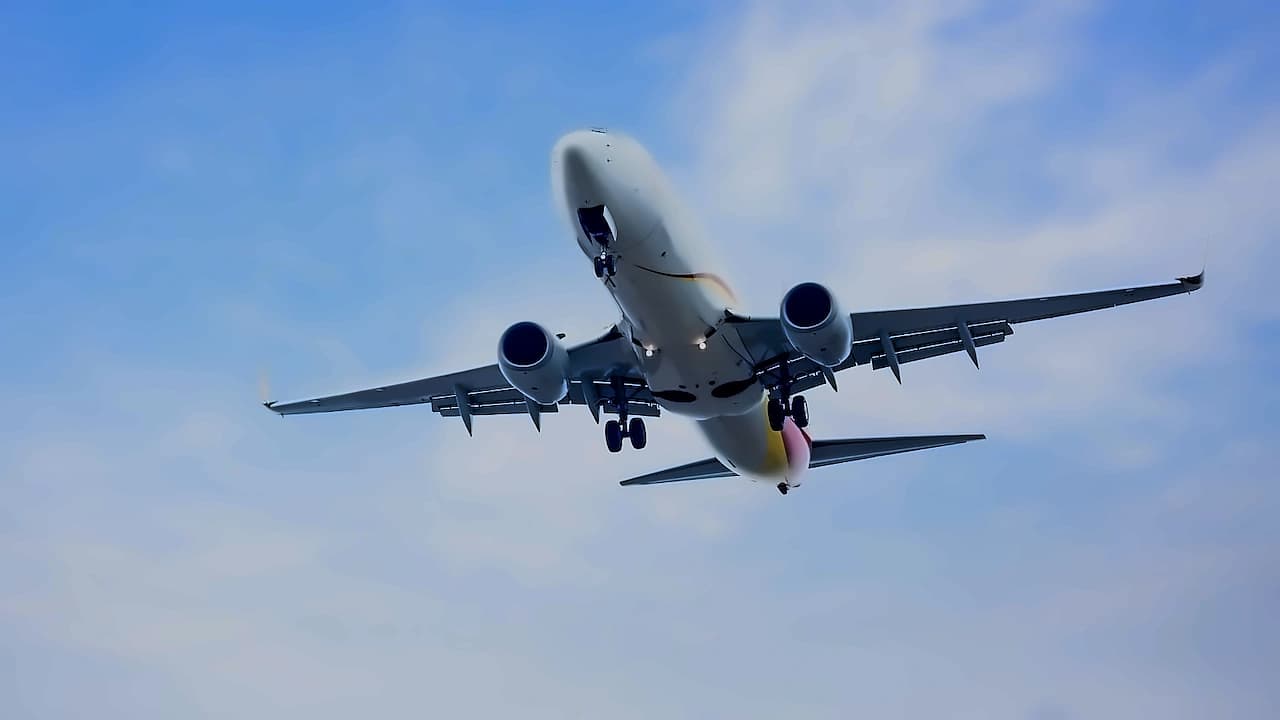
US airlines are positioned to save more than ₹3,300 crore ($40 billion) annually on fuel costs following the interim US-Iran peace agreement, according to Reuters calculations. US jet fuel spot prices stood at $2.85 per gallon on June 17, down sharply from an early April high of $4.88 per gallon. However, the fuel price decline has not translated into immediate passenger fare relief. Industry data shows jet fuel prices rose more than three times as fast as airfares from January through May, with carriers only able to recoup roughly 60 cents of each additional dollar spent on fuel, resulting in $14.4 billion in increased revenue compared to $24.1 billion in increased fuel expenses. Deutsche Bank estimates US carriers would recover only about 60 cents of every additional dollar spent on fuel, while Raymond James data shows average domestic fares booked one week before travel were 34.1% higher than a year earlier as of June 8.
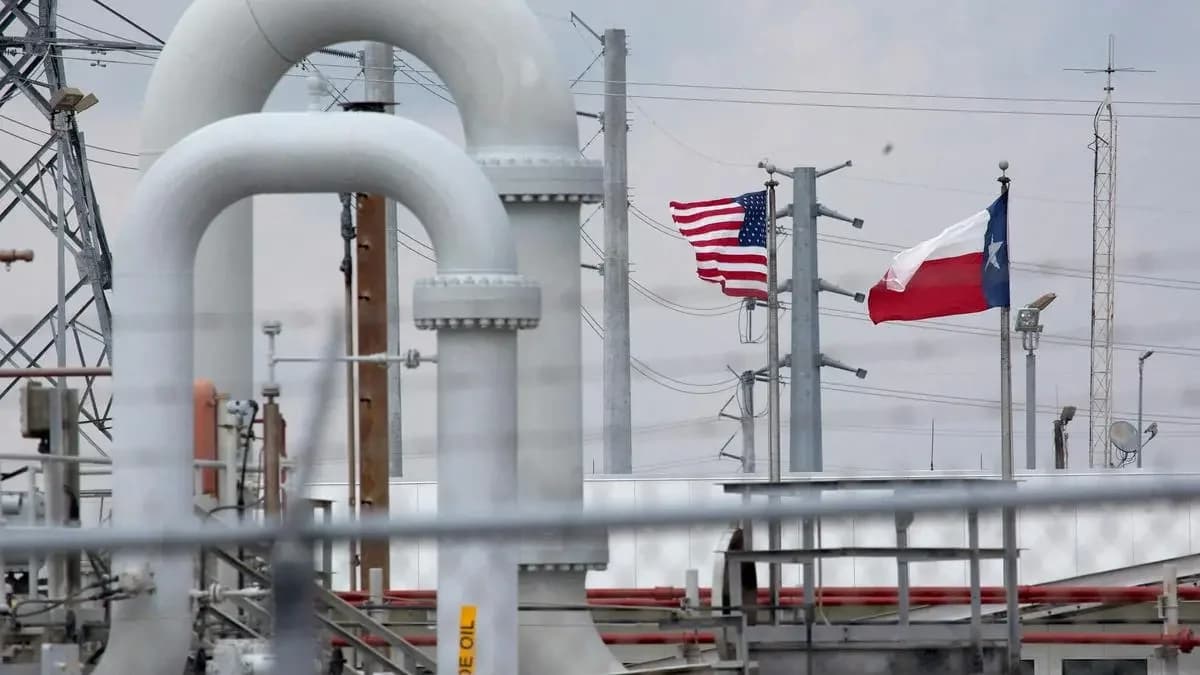
Diplomatic negotiations between the United States and Iran are expected to continue into a second day on Monday, while tensions escalate following reports that Tehran has announced the closure of the Strait of Hormuz after renewed threats attributed to President Donald Trump. The development has intensified global concerns over energy security and regional stability, as the Strait of Hormuz remains one of the most critical shipping routes for global oil transport. The situation marks a significant escalation in already fragile US-Iran relations, with diplomatic efforts now unfolding alongside heightened geopolitical uncertainty. Financial markets are highly sensitive to developments in the Strait of Hormuz due to its critical role in global oil transportation, with even unconfirmed reports of disruptions leading to price fluctuations in crude oil and energy derivatives. Energy analysts warn that even the perception of disruption in the region can lead to increased volatility in global oil markets, as shipping companies, insurers, and energy traders closely monitor for signs of actual disruption to maritime traffic.
US domestic airline seats are scheduled to grow just 0.4% year-over-year in the third quarter, significantly lower than the 4.6% predicted before recent Middle East tensions, according to industry data. J.P. Morgan analysts note that limited aircraft deliveries and budget-carrier pullbacks reduce the risk of "meaningful capacity creep" in the United States, giving airlines a better-than-usual ability to hold current pricing. These circumstances reduce the likelihood of widespread domestic fare wars that typically occur during fuel cycles, as airlines have better-than-usual ability to maintain current pricing due to fewer aircraft deliveries and budget-carrier pullbacks.
Major US carriers are recovering varying percentages of their fuel cost increases, with Alaska Air recovering about one-third, while Delta Air Lines, United Airlines, and American Airlines achieved 40% to 50% recapture rates in the second quarter. United CEO Scott Kirby told Reuters his airline was getting closer to recouping the fuel-cost spike through pricing: "We're on a path to recovering 100% by the end of the year." JetBlue Airways and Frontier Group expect to recover less than half of their fuel cost increases. According to Jefferies, each 5% drop in its roughly $3-per-gallon 2027 fuel-cost forecast would lift projected earnings per share by 10% to 15% for Delta, Southwest, and United, and by as much as 50% for American Airlines. However, fuel still costs 54% more than a year ago according to the International Air Transport Association, limiting immediate fare relief.
The airline industry faces structural constraints that limit immediate fare reductions despite significant fuel savings. Outside the US, fare relief is likely to be uneven, with Goodbody analysts noting that lower crude prices will take time to feed through to jet fuel, and unless jet fuel falls back toward start-of-year levels, airlines are likely to keep fares firm or push them higher where demand allows. Europe may see a split, with long-haul fares more likely to ease because airlines passed on higher fuel costs more successfully on those routes, while short-haul fares may prove firmer if the peace agreement supports bookings. In Asia, HSBC analysts said China's big three airlines face weak pricing power and falling aircraft utilization, while Hong Kong's Cathay Pacific is better placed as higher fares, cargo revenue and premium demand could offset fuel costs. The Middle East is the clearest exception, after the war disrupted traffic flows, with some airlines potentially using promotions to win back traffic.