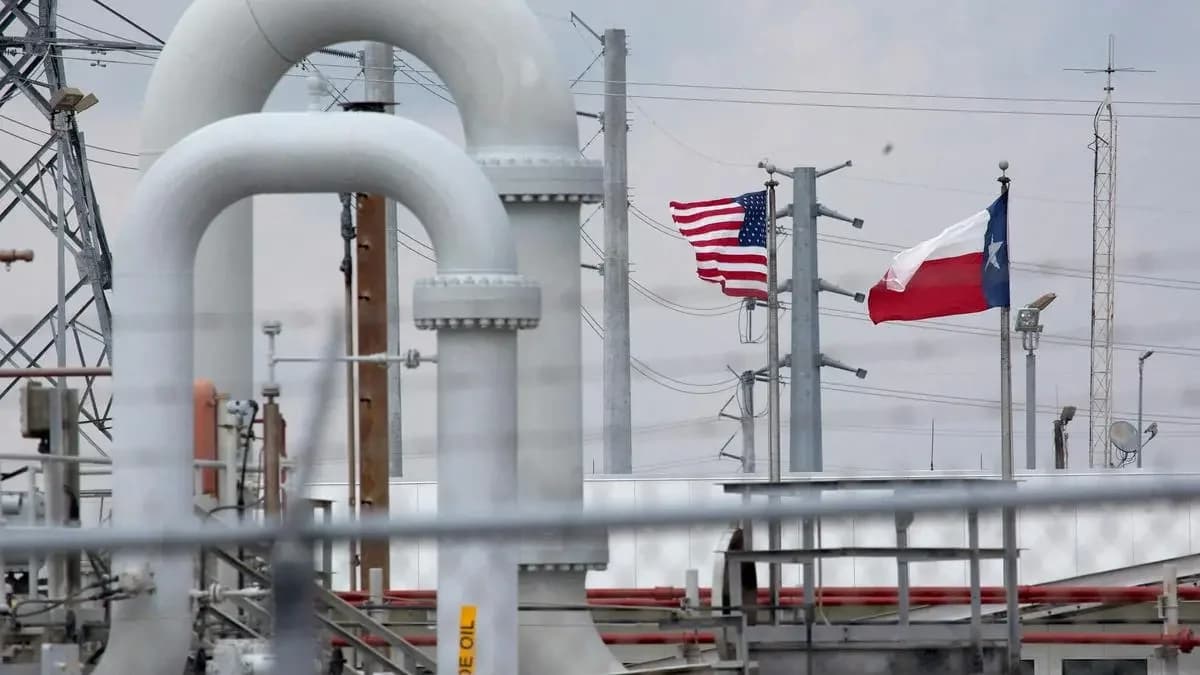
The US Strategic Petroleum Reserve has reached its lowest level since 1983, holding 340.3 million barrels of crude oil as of the latest federal data released Monday. This represents a significant decline from the previous historic low set in July 2023 under President Joe Biden following Russia's invasion of Ukraine. The last time the reserve held less oil was July 19, 1983, during the Reagan administration when the United States operated a significantly smaller economy. As Patrick De Haan, head of petroleum analysis at GasBuddy, noted, "No matter where you stand politically, it's a remarkable statistic." The reserve fell nearly 9 million barrels week over week, highlighting the accelerated pace of emergency releases. The 60-day peace deal announced between the US and Iran comes as oil executives warn that global inventories are rapidly depleting to critical levels. According to a CNN report citing federal data, US officials released another 8.9 million barrels from the emergency stockpile over the past week alone.
The Trump administration is moving toward completing its plan to release 172 million barrels from the Strategic Petroleum Reserve to ease surging fuel prices spurred by the war in Iran. If completed, it will be the second-largest release in the stockpile's history, leaving the reserve with about 243 million barrels, or about a third of its authorized capacity of roughly 700 million barrels. The administration is releasing the oil through an exchange program that involves essentially loaning barrels to companies that must eventually return them with interest. The return rate so far has been about 26%, creating potentially more than $3 billion in savings for taxpayers, according to the Energy Department. The agency says it will refill the reserve with approximately 200 million barrels, or 20% more than what was released, within the next year. The Trump administration has also announced plans to add at least 40 million additional barrels to the SPR once the conflict is over. Since the war with Iran began in late February, back-to-back global conflicts have reduced the reserve by 75 million barrels, equivalent to an 18% decline.
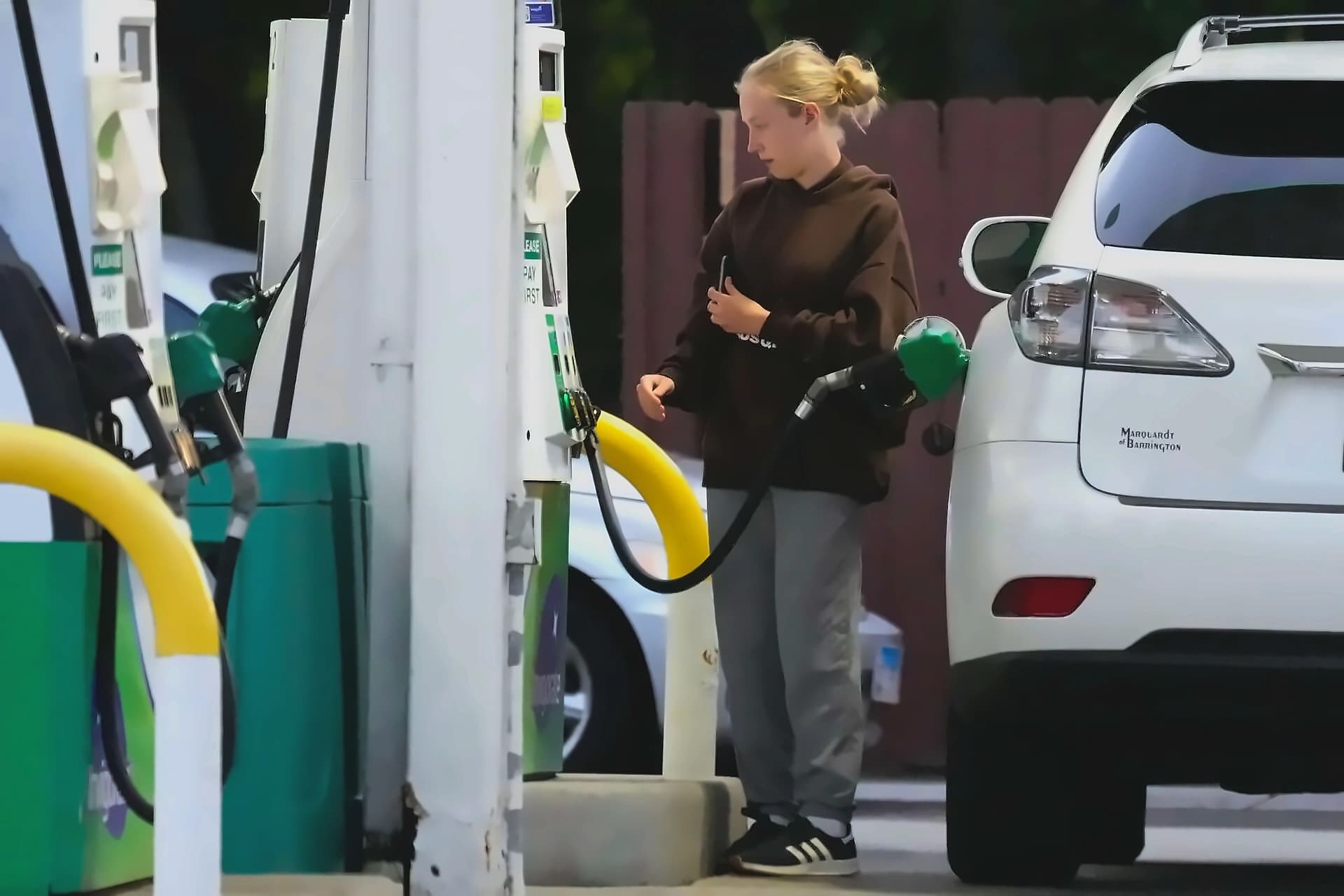
Gas prices have fallen below $4 per gallon for the first time since March following the US-Iran agreement to reopen the Strait of Hormuz. As per Business Standard, US average gasoline prices fell to $3.999 per gallon on Thursday, marking the first time since March that the average cost for a regular gallon has been that low. However, fluctuations remain across the country, with California averaging $5.64 per gallon and South Carolina at $3.58 per gallon. The Iran agreement is pushing prices below the $4 mark, but gas remains 28% higher than this time last year, when Americans paid $3.13 per gallon. Brent crude, the international benchmark, fell 5% to $83.13 on Monday, down roughly 30% from its March 9 peak of $119.50. A senior White House official said tanker traffic should begin rising immediately, climbing to 50 ships per day shortly, compared with 25 currently, before the war began about 130 ships passed through daily. As Andy Lipow, president of Lipow Oil Associates, told CNN, "The Strategic Petroleum Reserve releases, combined with releases by other governments and China reducing its exports, have prevented the Armageddon scenario of $150 oil from happening to date."
Despite the recent decline, fuel prices remain significantly higher than before the war began on February 28, with American motorists still paying about $1 more per gallon than they were before the conflict. Gasoline costs are around 25% higher than at the same time last year, creating ongoing budget pressures for households across the country. Research suggests that short-term fluctuations in petrol prices often influence consumer behaviour, affecting not only travel decisions but also broader household spending. Dylan Brewer, an assistant professor in Georgia Tech's School of Economics, noted that rising fuel prices can lead some consumers to cut back even on essential purchases such as groceries. "If costs continue to fall in the coming weeks," Brewer said, more people may be able to "loosen their belts a little bit." He added that businesses dependent on petrol and diesel for transportation could also benefit from lower fuel costs, although it may take several months for those savings to move through supply chains.
The 60-day peace deal announced between the US and Iran comes as maritime data from Lloyd's List Intelligence showed that major shipowners have started moving vessels through the Strait of Hormuz following the signing of the memorandum of understanding on Wednesday. US Vice President JD Vance also said on Thursday that the US Navy had lifted its blockade to permit some transit to and from Iranian ports. However, analysts expect it could take weeks or even months for shipping activity to return to pre-war levels. Before the conflict, the Strait of Hormuz carried around one-fifth of the world's crude oil, and Gulf producers that reduced output during the war will need time to restore production and exports. The agreement between Washington and Tehran calls for a permanent end to hostilities and begins a 60-day negotiating period aimed at securing a final agreement on Iran's nuclear programme, although Trump indicated that the option of renewed attacks remains open. In addition, refineries generally purchase crude oil several weeks in advance, meaning lower oil prices are unlikely to translate immediately into cheaper fuel products.