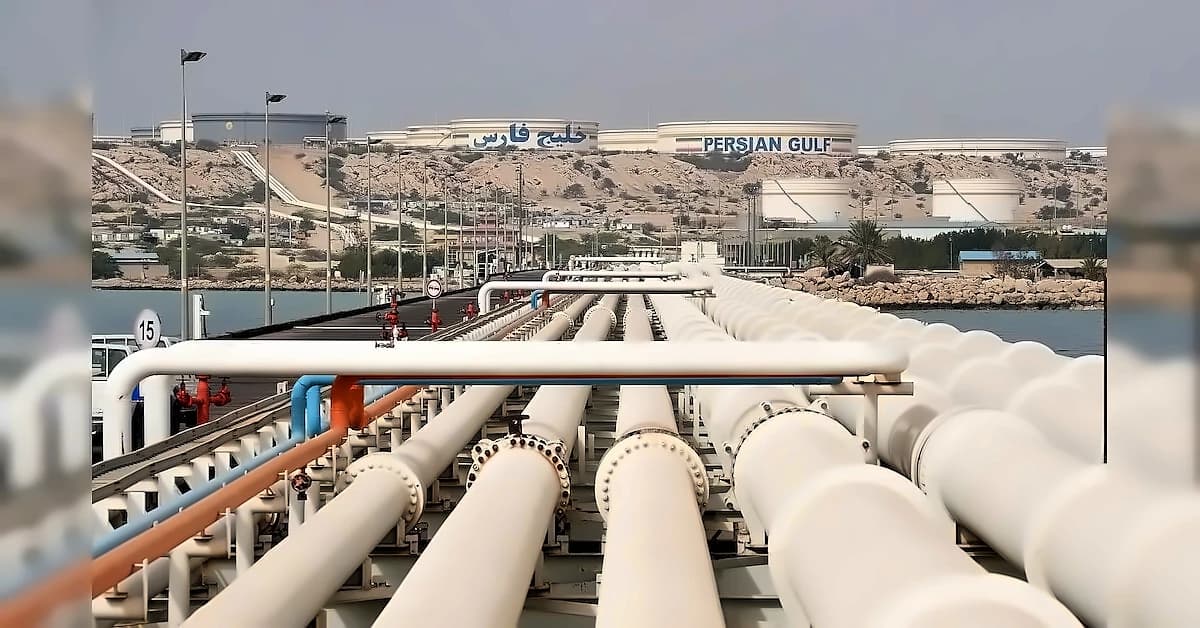
US companies signed approximately $60 billion in agreements and partnerships with the Iraqi government on Friday, including deals specifically aimed at creating alternative routes for oil exports beyond the Strait of Hormuz. The deals, signed at the US Chamber of Commerce, encompassed multiple industries including healthcare, communications and infrastructure, with Chevron signing three separate agreements during the meeting. According to Business Standard, Thomas Barrack, US Ambassador to Turkey, said the oil pipeline agreements would lead to a program "that will make the Strait of Hormuz an afterthought." The signings followed a meeting between Iraqi Prime Minister Ali Falah al-Zaidi Thursday with Chevron executives in Houston, at which al-Zaidi urged the US energy company to expand and accelerate its investments in Iraq. Jake Spiering, Chevron's president of corporate business development, said two agreements would focus on boosting oil production, while a third would involve "investing in a pipeline that's going to create another export route out of Iraq to world markets."
The Abu Dhabi National Oil Company (ADNOC) is expanding its West-East pipeline, which carries crude oil to Fujairah on the Gulf of Oman, completely bypassing the Strait of Hormuz. The project is around halfway complete and is expected to finish by 2027, as reported by Reuters. Once operational, the expansion will double the UAE's land-based export capacity to about 3.6 million barrels a day, allowing more oil tankers to sail directly into the Arabian Sea. India's Petroleum Ministry has already identified Fujairah as one of the routes that helped reduce the country's dependence on Hormuz during this year's disruptions, with the route remaining the shortest and most practical alternative for Asian buyers because shipments can enter the Indian Ocean without crossing the strait. With the war dramatically reducing oil exports through the Strait of Hormuz, some oil shipments have instead been trucked from Iraq into Syria and shipped to European markets via Syria's Baniyas port, bypassing the Hormuz route. A key border crossing between northern Iraq and Syria reopened in April after being closed for more than a decade, with officials touting it as an additional route for energy exports.
Goldman Sachs analysts estimate that seven different pipelines currently under development in the region could carry approximately 60% of oil currently shipped through the Strait of Hormuz by the end of 2028. According to Business Standard, these pipelines could carry roughly 14 million barrels per day by then, compared to the 23 million barrels per day that were shipped through Hormuz before the Iran war began. The analysis notes that pipelines in just one country take at least two and a half years to build, and these pipelines would travel through two or more nations, making the timeline for complete alternative capacity significant. The overland route is less efficient and more expensive than shipping exports through the strait, but the pipeline project envisioned would allow for exporting a larger volume of oil from Iraq to Syria and Turkey.
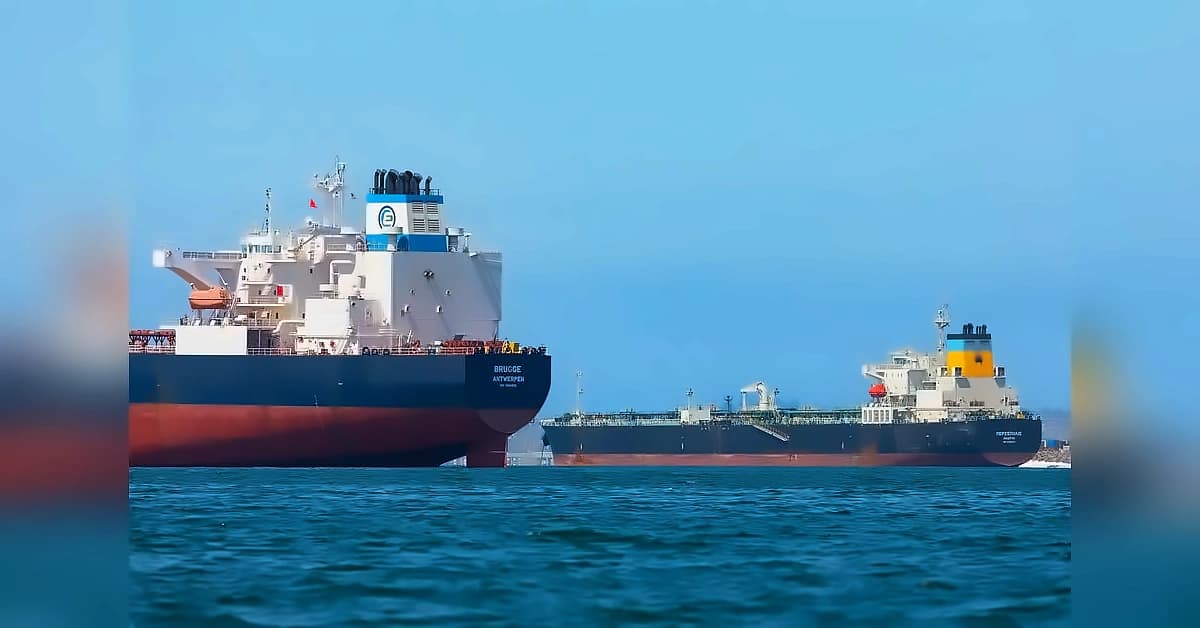
Iran has reportedly launched retaliatory strikes on Kuwait, Bahrain and Jordan, as well as two oil tankers in the Strait of Hormuz, marking a significant escalation in the ongoing US-Iran conflict. According to latest reports, the UAE has confirmed that two of its national tankers were hit by Iranian cruise missiles in the strait's southern shipping lane, resulting in one Indian crew member killed and eight others injured. This latest development follows the UK Maritime Trade Operations (UKMTO) warning about a tanker hit by a missile 13 nautical miles southeast of Limah, Oman, with the incident occurring while the vessel was transiting outbound on the southern route. The 2026 Strait of Hormuz crisis continues to represent an escalation linked to the ongoing U.S.-Iran conflict, with the region now witnessing multiple fronts of military action. Iran has sought to close the Strait repeatedly since the US-Iran war began Feb. 28, causing sharp gyrations in oil and gas prices.
Oil prices have surged significantly amid the escalating tensions, with West Texas crude rising nearly 5% to $88 a barrel on Friday afternoon, up from about $67 before the war began. According to Business Standard, oil prices have surged dramatically, with West Texas crude topping $110 in early April before falling back after a truce was reached, and have since risen on renewed conflict between US and Iran. Iraqi Prime Minister Ali Falah al-Zaidi said the oil pipeline agreements would lead to a program "that will make the Strait of Hormuz an afterthought." The 2026 Strait of Hormuz crisis has created heightened uncertainty about energy flows through the vital waterway. India has summoned Iran's deputy ambassador following the death of an Indian crew member in the tanker attacks, with the Indian foreign ministry stating it summoned the deputy chief of mission to register 'a strong protest' against the attacks on two commercial vessels that killed an Indian seafarer and injured several others. The UAE's defence ministry confirmed that two tankers - the Mombasa and Al Bahiyah - were targeted by Iranian cruise missiles while transiting the strait of Hormuz, with the vessels having a total of 46 crew members, including 30 Indians.