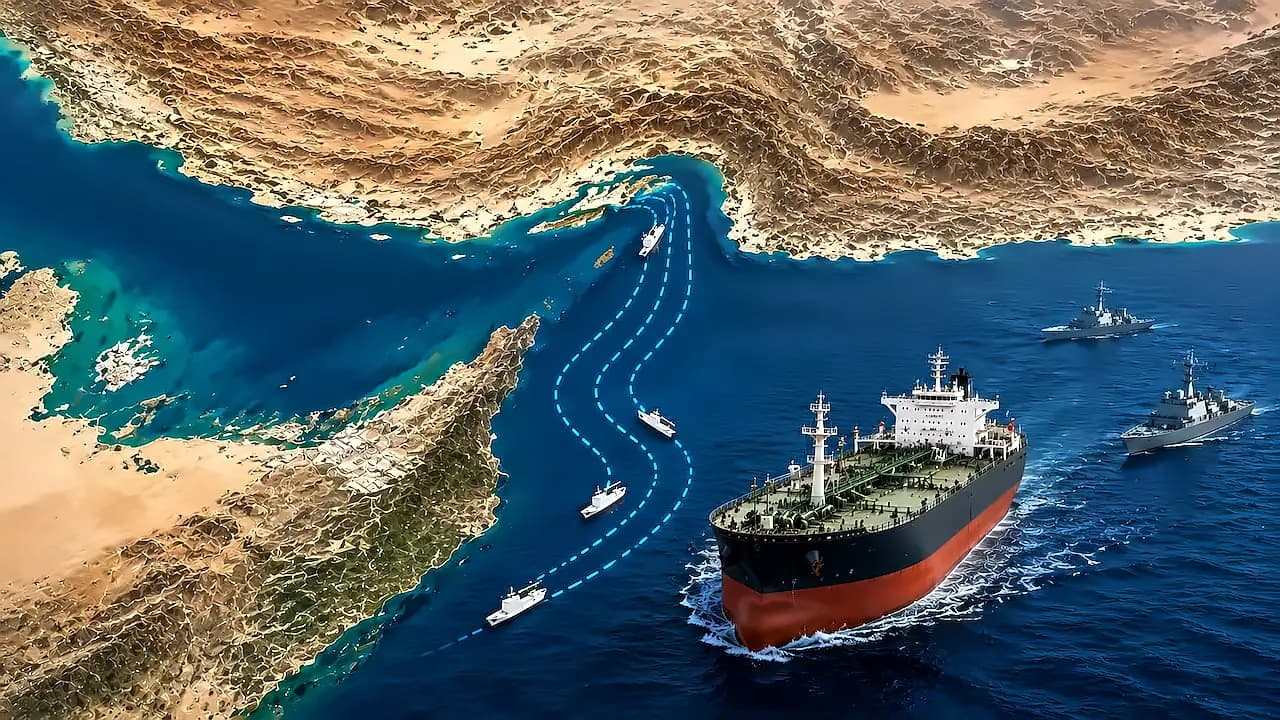
Pakistan has walked back from its Houthi warning, clarifying that no military response under the Mecca defence pact is currently being discussed despite Saudi Arabia facing intensified attacks. Pakistan foreign ministry spokesperson Sajjad Haider Khan made the clarification on Thursday, stating 'There is no such thing under discussion right now ... When time comes (we) will act under the agreement'. This represents a significant shift from previous warnings by Defence Minister Khawaja Asif, who had confirmed the pact may become operational if Yemen's Houthi rebels continued targeting Saudi Arabia. Asif had emphasized that 'We are bound by the terms and conditions of this pact, and … we will honour them in case there is a need'. The response comes just two days after a wave of Houthi attacks on Saudi Arabia wounded more than 70 people and ignited fires at several oil facilities and utilities in the kingdom's southern region.
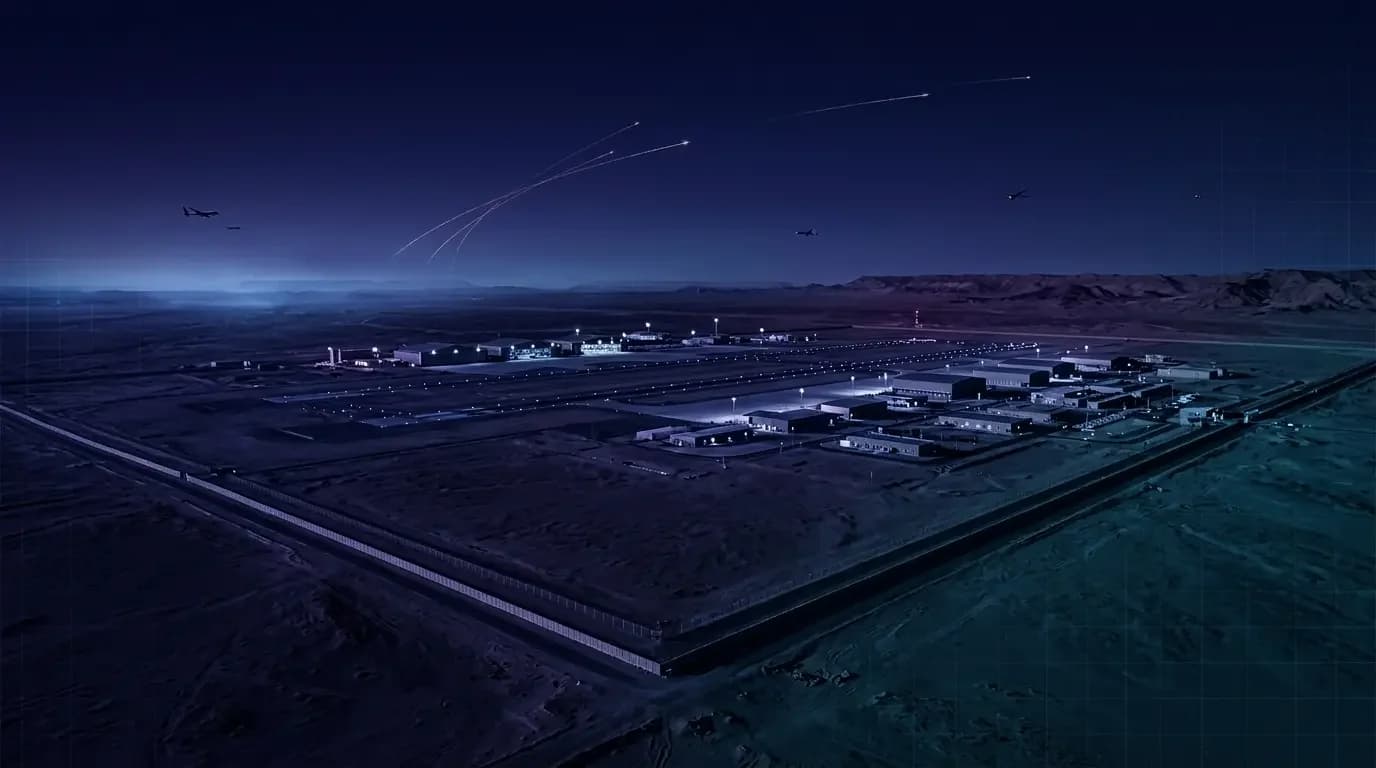
The latest escalation came on Tuesday when Yemen's Houthi group carried out attacks in southern Saudi Arabia, with Riyadh reporting that at least 73 people were wounded. According to Al Masirah TV, Saudi Arabian warplanes conducted five air strikes in Khab wa Sha'af district in al-Jawf, 10 attacks in the Sirwah district of Marib, and five hits in the al-Barh area in Taiz. The strikes have added another theatre to the wider conflict in the Middle East, with the Iran-backed Houthis intensifying attacks against Saudi cities and energy infrastructure this week. The ongoing hostilities mark the most serious escalation since a United Nations-brokered truce halted large-scale fighting in 2022.
The joint defence agreement signed on August 7 in Mecca establishes a comprehensive security framework among the three nations. As reported by Reuters, the agreement stipulates that 'any armed attack against any one of the three States shall be regarded as an attack against them all'. This framework mirrors a key NATO stipulation – a strike on any single member is to be considered a strike on the entire group, though the precise mechanisms for implementing this pledge have yet to be clarified. The agreement also provides for greater defence cooperation among Pakistan, Saudi Arabia and Turkiye, with Khan noting that 'the clauses of this pact over confronting aggression will become operative' if the situation requires it. However, Khan stressed that the agreement was defensive in nature and did not give Pakistan, Saudi Arabia and Turkiye authority to independently launch offensive operations against another country. A Turkish official earlier described the agreement as purely defensive and said it did not override the three countries' existing agreements with other states.
Pakistan has been trying to avoid a full scale escalation in the region, especially since its positioning itself as the mediator between US and Iran. The country has repeatedly condemned these attacks but has maintained strategic ambiguity over whether it will respond under the terms of its defence pact. As reported by Reuters, Pakistan condemned these attacks but provided no details on how it might respond under the terms of its defence pact. Pakistani defence minister Khawaja Asif has compared the Mecca pact to NATO's Article 5, which states that an armed attack on one member is considered an attack on all. However, the statement announcing the agreement refrained from spelling out the specific commitments undertaken by individual members, leaving considerable room for Pakistan to decide how it responds to an attack on Saudi Arabia. Notably, Saudi Arabia already had a mutual defence agreement with Pakistan since September 2025 and has been part of a collective defence arrangement with the six members of the Gulf Cooperation Council since 2000, yet these arrangements have not produced the type of automatic military response commonly associated with NATO's Article 5.
Pakistan has maintained its position as a mediator in the ongoing U.S.-Iran conflict while condemning the recent attacks. The country has a strong incentive to prevent its defence commitments to Saudi Arabia from drawing it deeper into the Middle East's conflicts, particularly as Islamabad grapples with economic challenges at home while seeking to mediate between US and Iran. Regarding future cooperation, Khan indicated that there are no plans to expand the Mecca alliance at this time, with the current focus remaining on implementing existing defence commitments rather than expanding the alliance framework. As reported by Michael Kugelman from the Atlantic Council, 'This agreement is not a NATO-like alliance, and it does not signal a discrete new regional bloc'.