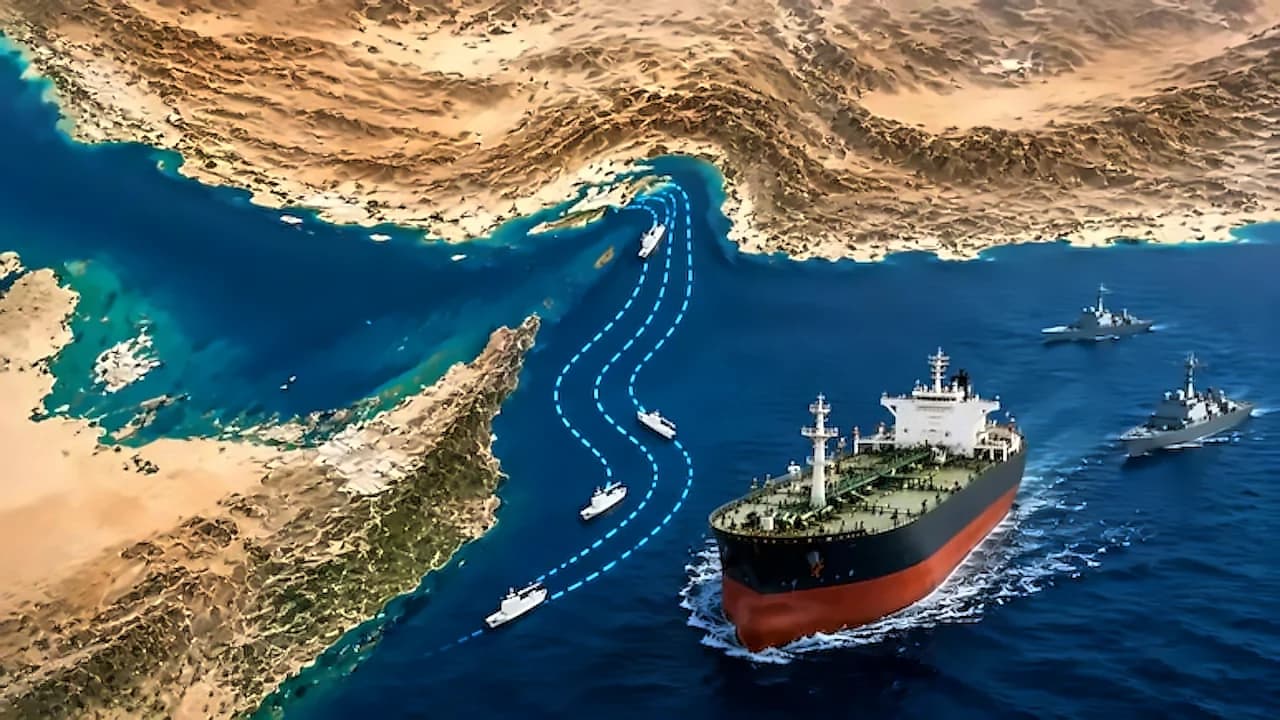
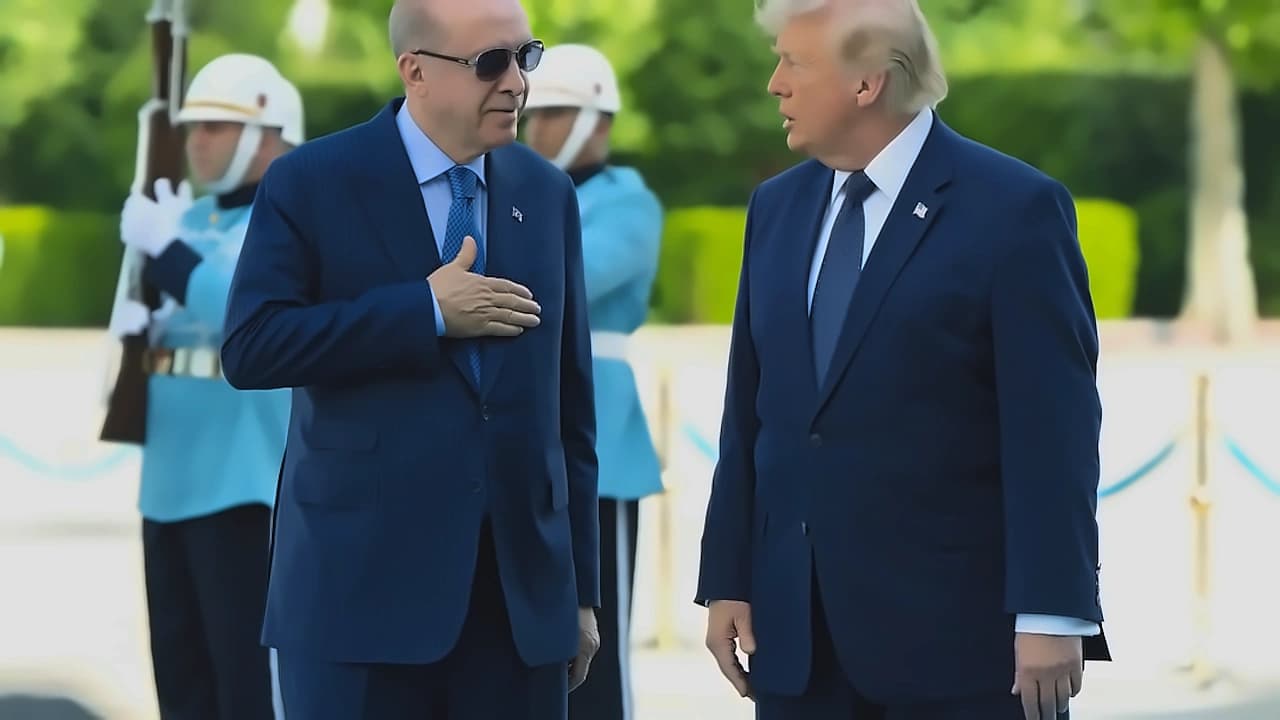
US President Donald Trump has termed the Saudi Arabia-Turkey-Pakistan defence agreement a 'big, bold and important first step' towards defending themselves in a 'more meaningful way'. According to reports from Business Standard, Trump's remarks came days after the three nations signed the Mecca Joint Defence Agreement, holding any armed offensive against any of the three countries as an attack against all of them. In his latest statement, Trump expressed being 'very happy' about the agreement, stating that these countries will 'finally be able to defend themselves in a more substantial way'. Trump emphasized that 'it shows how the Middle East is coming together' and represents a significant regional development amid heightened regional tensions and the ongoing conflict involving the United States and Iran. The three-way agreement, signed August 7, comes amid a US-Iran war that has extended violence to the region, including Iran-backed Houthi rebel attacks.
The Mecca Joint Defence Agreement was signed on August 7 by Saudi Crown Prince Mohammed bin Salman, Turkish President Recep Tayyip Erdogan and Pakistan Prime Minister Shehbaz Sharif. As reported by Business Standard, Trump praised the leadership of all three nations in his Truth Social post, stating this represents a 'big, bold, and important first step' for regional cooperation. The pact establishes a collective defence framework and commits to military cooperation, with plans for strategic political and military cooperation starting with joint exercises and expanding to land, naval, air, air defense, and unmanned system drills. The agreement was signed in Saudi Arabia, which has been seeking to strengthen its security partnerships following Iranian retaliatory attacks after US strikes and amid renewed fighting in Yemen. Pakistan's foreign ministry stated the pact meant an attack on any member would be regarded as an attack on all, adding it was 'intended to strengthen collective deterrence'. The pact also sets out a 'shared commitment to further strengthening their collective security and to promoting peace, security and stability in the region and beyond'.

The defence agreement includes comprehensive military cooperation plans that extend beyond traditional joint exercises. According to recent reports, the pact supports diplomatic efforts between Iran and the US and establishes a framework for land, naval, air, air defense, and unmanned system drills. This expanded cooperation represents a significant step towards regional military integration and collective security mechanisms, with the three countries also sharing a commitment to participating in efforts to resolve the conflict between Iran and the United States. The agreement declared a 'shared commitment to further strengthening their collective security and to promoting peace, security and stability in the region and beyond'. The new defence pact could become an important development in the region's evolving security architecture as concerns grow over the ability of the United States and its allies to intercept all drones and ballistic missiles launched by Iran and its regional partners against Gulf monarchies.
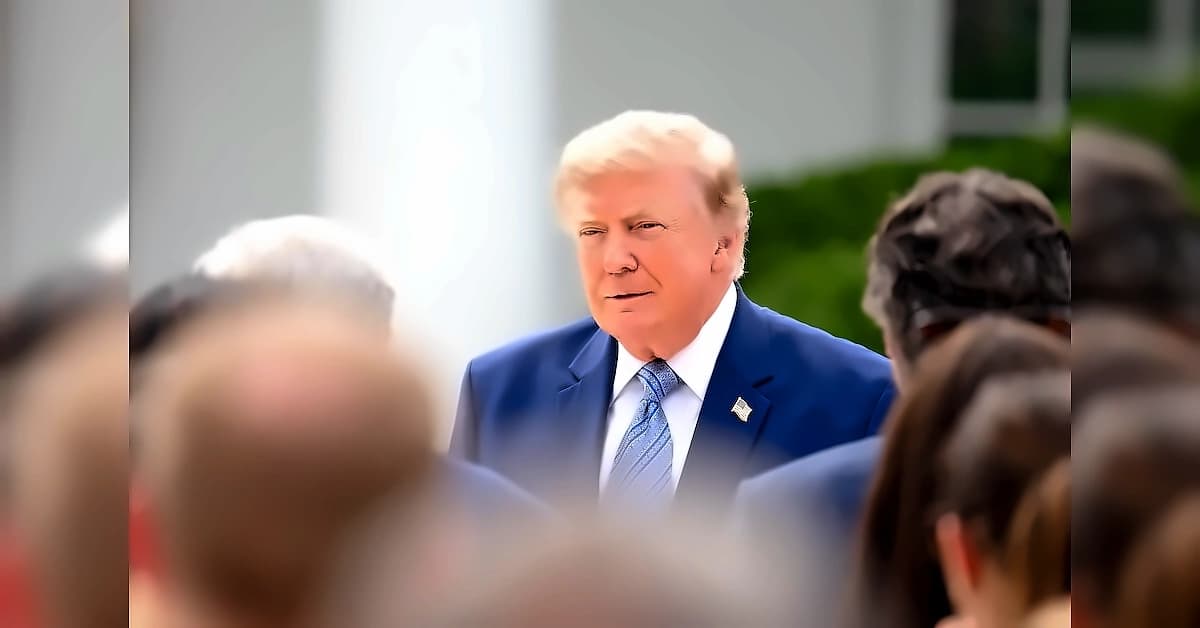
The defence pact has opened the door for potential expansion beyond the initial three nations. Turkish President Recep Tayyip Erdogan indicated that Cairo could become part of the expanding arrangement, describing Egypt's participation as 'possible' and stating the agreement could accommodate additional members. As reported by Business Standard, Erdogan said 'This agreement has sent an important message to the world', referring to the Mecca Joint Defence Agreement. This potential expansion reflects the agreement's broader regional implications and could signal a more comprehensive security framework across the Middle East. The pact's flexibility in accommodating additional members demonstrates its evolving nature as a regional security mechanism.
India is examining the implications of the Mecca agreement on its national security and regional peace and stability. According to External Affairs Ministry Spokesperson Randhir Jaiswal, as reported by Business Standard, India remains fully committed to safeguarding its national interests and will take all necessary measures in this regard. The assessment was made on August 11 following the agreement's signing. The Gulf is also India's western security flank, and changing regional alignments make any response to cross-border terror attacks more challenging. India's energy security is closely tied to the region since a large part of its oil and gas supplies come from there, and the security and welfare of nine million Indians who live and work in the Gulf are of paramount concern. The rising influence and military profile of Pakistan in the region cannot but be a matter of concern, with any military response to cross-border terror attacks having to take into account the new alignments beginning to take shape in the region.