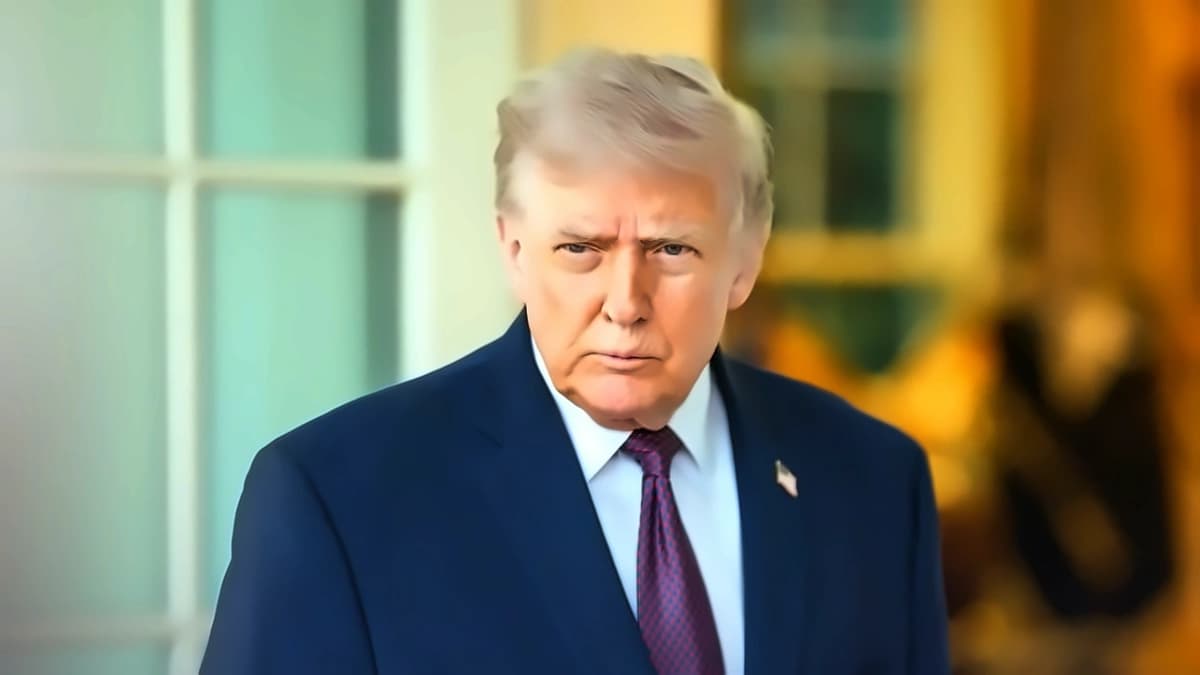
President Trump's foreign policy approach has fundamentally reversed traditional US diplomatic norms, with the administration now threatening allies like Oman, Canada, and South Korea while courting adversaries such as North Korea. According to reports from Business Standard, Trump declared he would bomb Oman if it interferes with his Iran war, impose 50% tariffs on over 500 Canadian goods, and pull back military support from South Korea. This represents a decade-long shift from the 'America First' policy that began when Trump first entered the White House, where traditional alliances from Europe to Asia have frayed while the president pursues relationships with former adversaries.
Trump's decision to scale back the 11-day Ulchi Freedom Shield military exercises with South Korea has drawn widespread criticism from allies and experts. As reported by Associated Press, the president explained his decision by citing South Korea's refusal to join his war against Iran and pointing to his good relationship with North Korea's reclusive dictator. 'There is no American interest that I can see in this,' said Dan Fried, an assistant secretary of state for European affairs in the George W. Bush administration. The decision has 'firmly in the ‘hard-to see-how-it-could-be-worse’ category,' according to Danny Russel, former assistant secretary of state for East Asia and the Pacific in the Obama administration. 'It is tragically upside-down. Trump is punishing an ally while encouraging an adversary,' Russel noted, adding that the move 'protects Kim Jong Un's sensitive feelings from an unfriendly signal at the expense of U.S.-South Korean security.'
Despite North Korea's continued nuclear weapons program and Kim Jong-un's refusal to abandon his arsenal, Trump continues to express affection for the dictator. According to Business Standard reports, Trump has 'fallen in love' with Kim Jong-un and maintains they have 'spoken and spent time together on numerous occasions.' Trump contends that confrontational policies of the past failed to achieve desired outcomes, leading him to pursue more diplomatic approaches with North Korea, China, and Russia, hoping to reach nuclear accords and establish full ties with Moscow. The president's approach has been characterized as 'transactional and personal' by experts, with Trump posting a photo of North Korea's leader speaking on a phone with the caption 'HEY DONALD ... WE COOL, RIGHT?'
International allies are increasingly adapting to Trump's volatile approach, with experts noting that 'increasingly, the bullying rhetoric is being priced in by countries around the world.' As reported by Associated Press, 'They are hoping that the American umbrella is there for the future,' said Charles Kupchan from the Council on Foreign Relations, who worked on the National Security Council under Democratic Presidents Bill Clinton and Barack Obama. 'But they have to at least contemplate the idea that Uncle Sam won't be there for them,' he added. 'He ends up insulting allies,' Kupchan explained, noting that Trump's unpredictable approach cuts through the solidarity that undergirds alliances. 'Treating one of America's closest allies like an adversary weakens our alliances and benefits China and North Korea,' said Rep. Greg Meeks of New York, the top Democrat on the House Foreign Affairs Committee. 'If these things grow in frequency and in importance, obviously we will be in the process of taking apart the alliance system,' warned retired U.S. Ambassador Robert Wood.
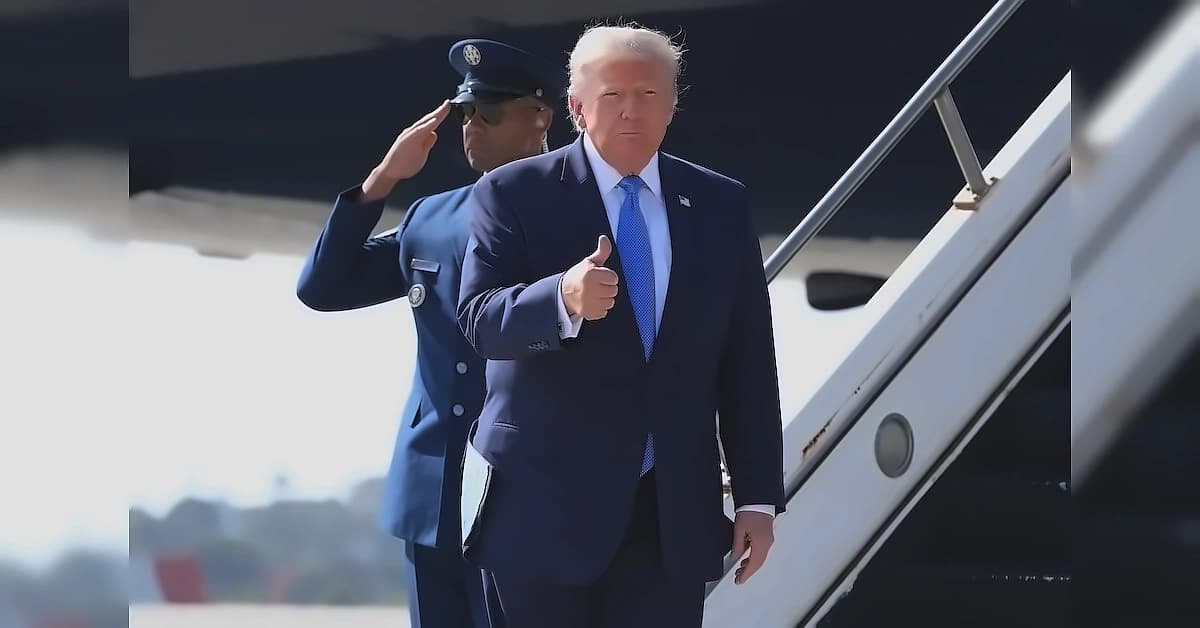
The current approach represents a fundamental shift from previous US foreign policy, where allies were valued for their cooperation and adversaries faced consequences. According to Associated Press analysis, 'If these things grow in frequency and in importance, obviously we will be in the process of taking apart the alliance system, which has served us so well since the end of World War II,' said John Herbst, a former ambassador to Ukraine under President George W. Bush. However, experts note that while 'the president's language could be taken as 'we're done with you,' Kupchan said, 'the reality is that, at least as of today, Trump has left intact America's forward bases and its core alliance relationships.' The policy has created what experts describe as an 'upside-down world' where traditional diplomatic norms have been reversed, with the US now threatening allies while pursuing relationships with former adversaries.