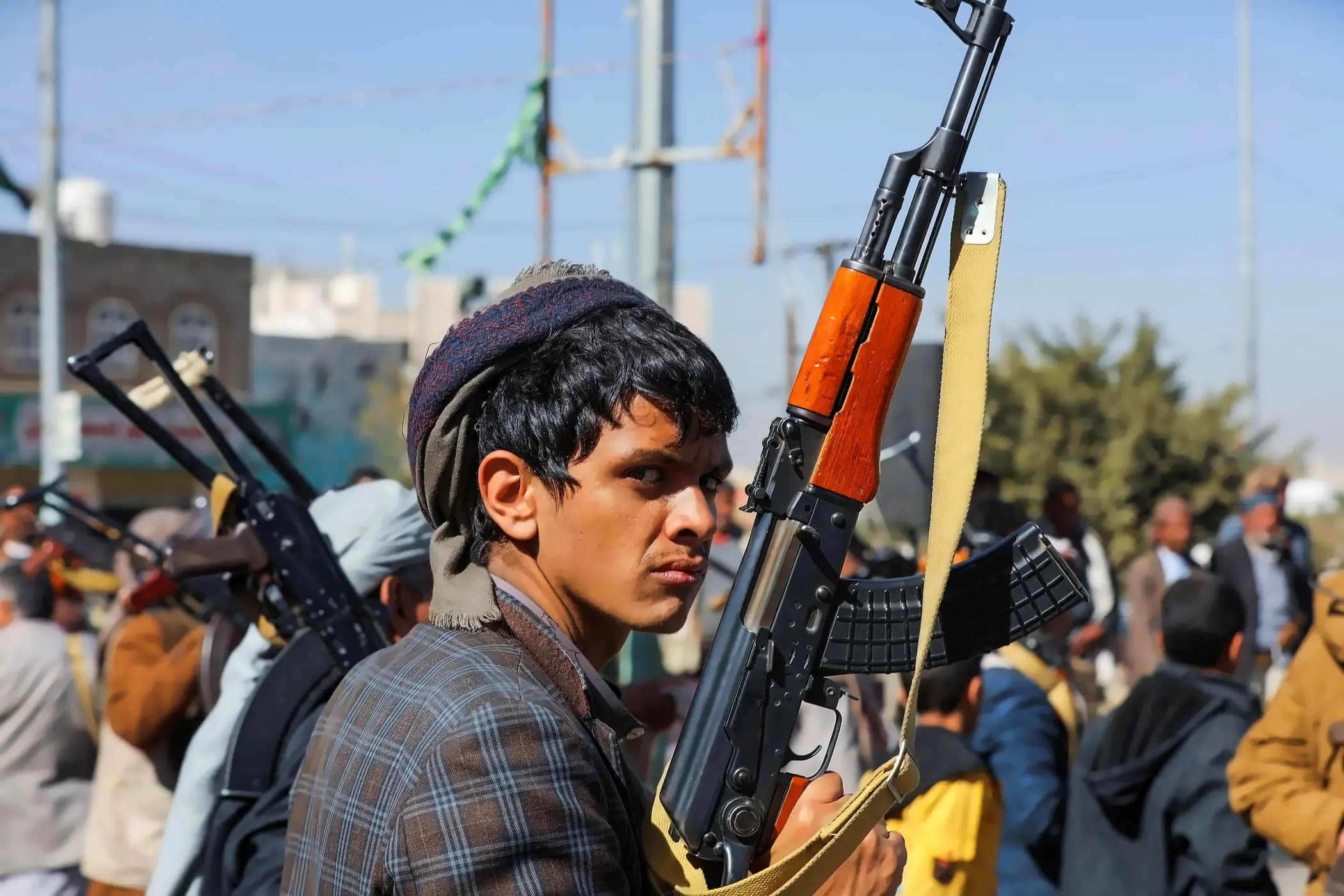
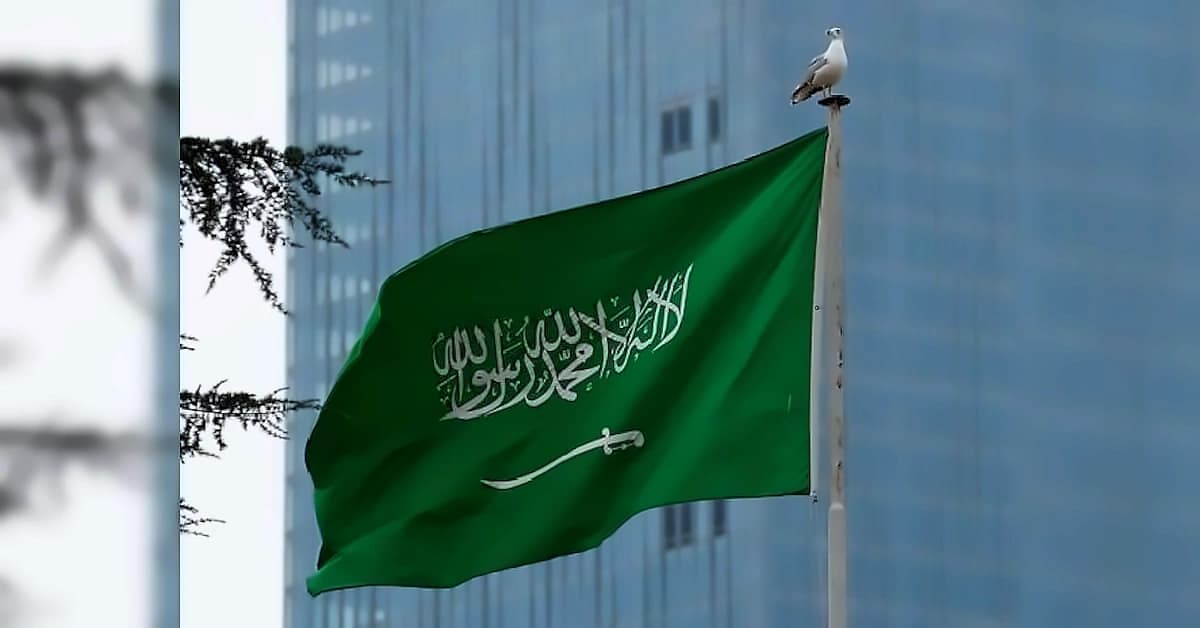
Saudi Arabia is experiencing what analysts describe as its 'worst-case scenario' after being rebuffed by President Trump's reluctance to confront Iran-backed militias. According to reports from The New York Times, the kingdom's leadership is now assessing dwindling options on how to respond to the escalating crisis. A planned meeting between officials from Iran, Saudi Arabia and other Gulf countries was abruptly postponed on Sunday night, as the gap between their positions remained vast. Former US ambassador to Saudi Arabia Michael Ratney noted that the Saudis are 'really frustrated' and this represents their worst-case scenario. As reported by The New York Times, former diplomats and analysts say Riyadh is frustrated by Trump's refusal to confront the Houthis, with talks meant to ease tensions with Iran also going nowhere.
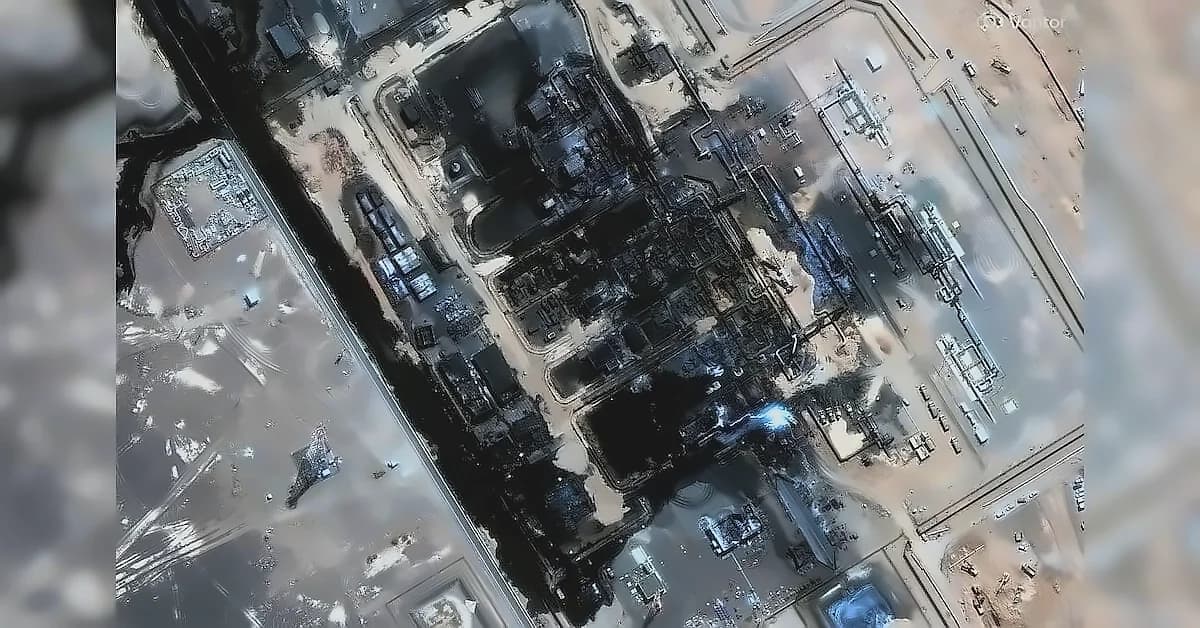
Over the past two weeks alone, Saudi Arabia has faced Iran-backed attacks from the east, the south and the north. As reported by The New York Times, on Friday, the Houthis — already blockading Saudi oil shipments through the Red Sea — seized territory on a vital shipping lane and routed Saudi-allied forces in Yemen. The same day, Saudi authorities announced they had been forced to shut down a critical oil pipeline, blaming a drone attack by an Iran-backed Iraqi militia. The pipeline had become a key alternative export route after Iran effectively choked off the Strait of Hormuz. According to The New York Times, for a kingdom that bet on American power as a shield, the week left two choke points at risk, a pipeline dark, and a partner who says the Houthis would rather fight Riyadh than the United States.
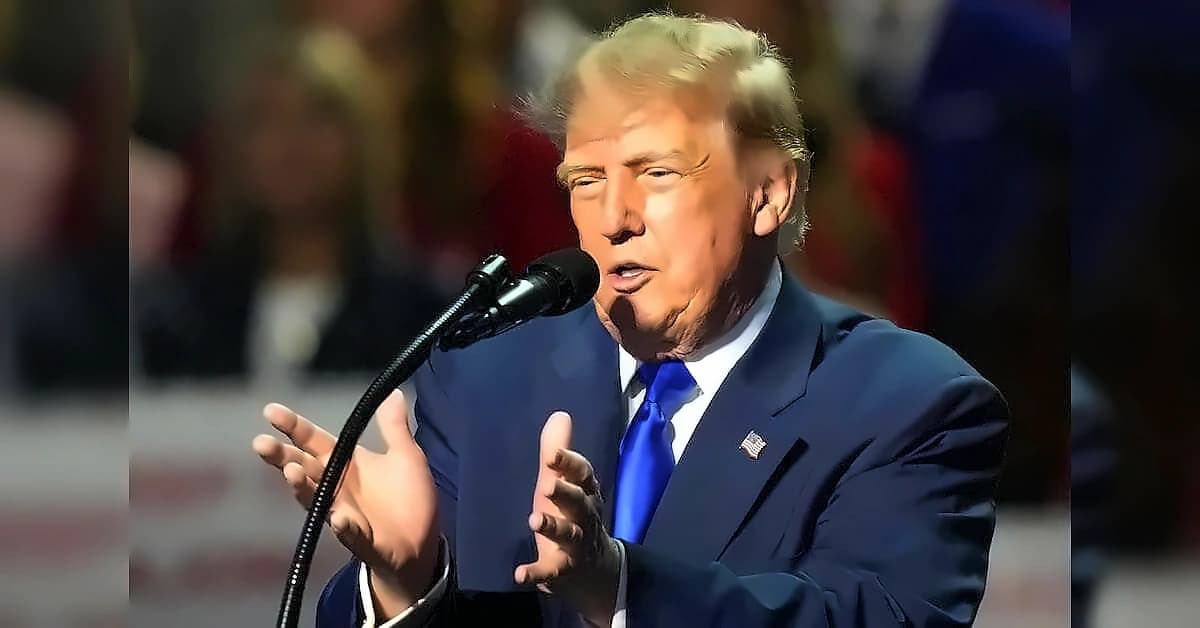
When Crown Prince Mohammed bin Salman asked Trump last week to take military action against the Houthis, the president declined, according to officials with knowledge of the conversations. As reported by The New York Times, on Saturday in Ireland, Trump told journalists the Houthis had 'called us and they don't want to fight with us'. However, Houthi political official Mohammed al-Bukhaiti denied that the group had reached out to the United States, stating 'We did not communicate with Trump, nor did we ask him not to attack us'. Trump appears reluctant to get involved, citing concerns about confronting one open-ended conflict with Iran while the US Navy and munitions stockpile are overstretched. Former Pentagon official Dan Shapiro said the hesitation is understandable given the open-ended Iran war, an overstretched Navy and shrinking munitions, but noted it is 'bitterly disappointing to the Saudis'.
Saudi Arabia is now likely to turn to diplomacy, according to former assistant secretary of state for Near Eastern affairs Barbara Leaf. As reported by The New York Times, despite years of Saudi, US and Israeli bombing campaigns against the Houthis, 'no one has come up with a military solution' for dealing with them. The kingdom could work with its neighbors and Iran to hammer out an 'ugly set of arrangements' to bring the war with Iran to an end. Saudi Arabia could also look to China to find a solution, though Beijing's previous diplomatic efforts in the region have not led to lasting peace deals. Washington has offered intelligence and targeting help rather than its own airstrikes, leaving the kingdom with limited military options.