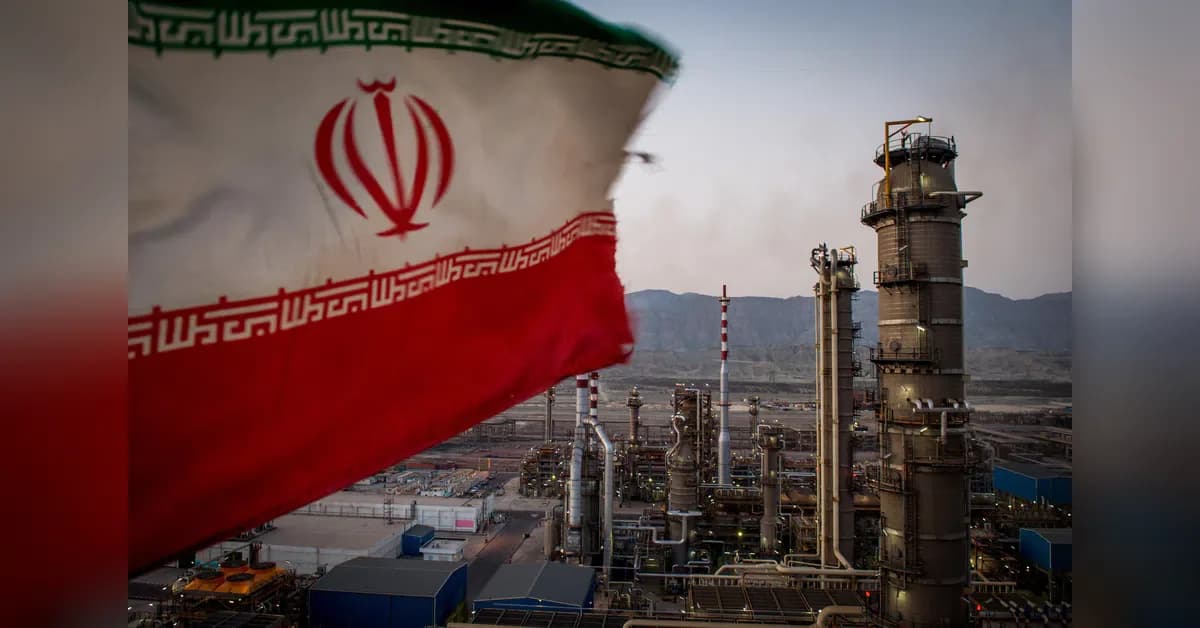
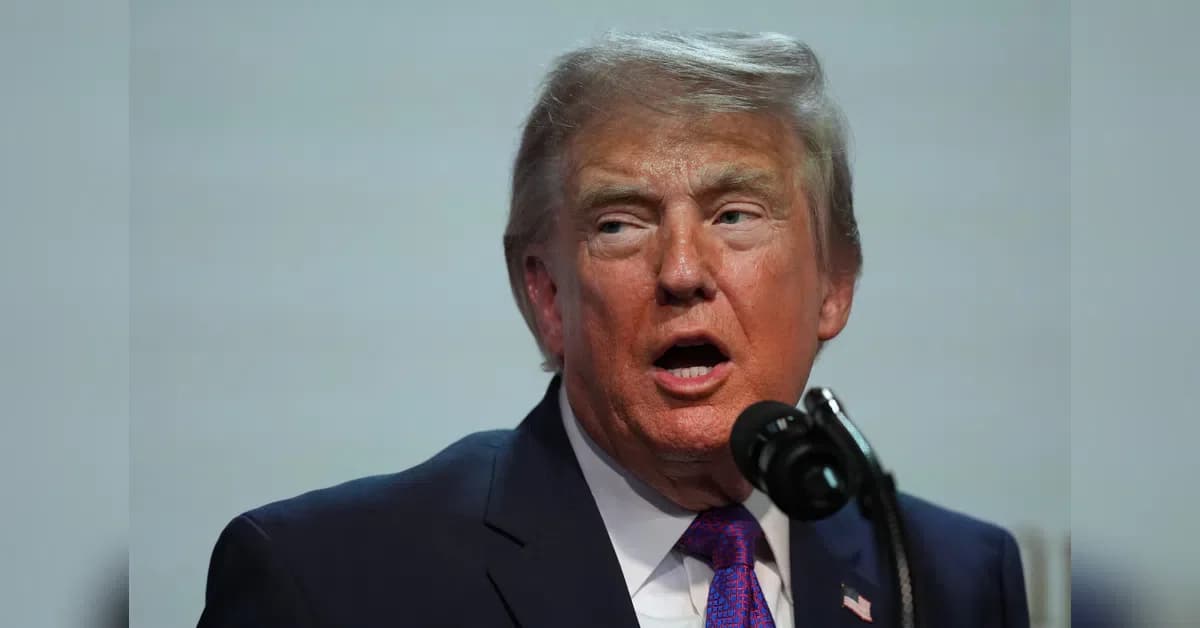
President Trump announced on Saturday that a peace deal with Iran has been 'largely negotiated' following calls with Middle Eastern leaders, though 'final aspects and details of the Deal are currently being discussed and will be announced shortly'. According to CBS News, Trump confirmed he participated in calls with leaders from Saudi Arabia, the United Arab Emirates, Pakistan, Egypt, Jordan, and Bahrain, as well as a separate call with Israeli Prime Minister Benjamin Netanyahu. The president emphasized that 'I will only sign a deal where we get everything we want,' while noting that 'every day it gets better and better.' However, Iran has disputed Trump's claims about the Strait of Hormuz reopening, with its semi-official Fars News Agency stating that 'in the event of a possible agreement, the Strait of Hormuz will still be under Iranian management.'
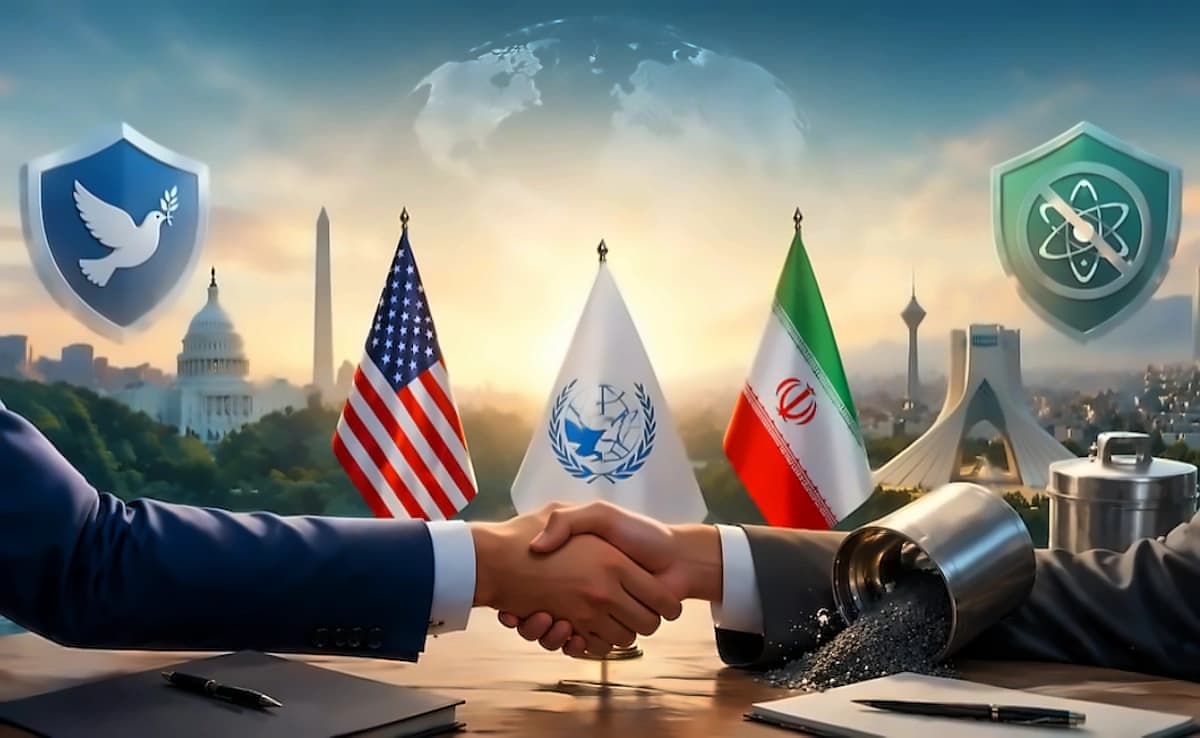
Iran has agreed in principle to relinquish its stockpile of highly enriched uranium under a developing agreement with the United States, according to multiple reports. The New York Times reported that Tehran has agreed to a statement promising to give up its cache of enriched uranium, with two unnamed American officials confirming that Iran had accepted, in principle, the surrender of the stockpile. The material is reportedly enough for several nuclear weapons, making this a critical component of the proposed framework. The exact method for disposing of or transferring the highly enriched uranium has not yet been settled, with negotiators expected to tackle these technical questions in later rounds of talks. The size and status of Iran's uranium reserves had become one of the toughest obstacles during earlier discussions on a wider ceasefire.
Reports indicate negotiators are working on a draft framework that would unfold in several stages, as reported by multiple sources. The first stage would formally end the war, followed by a second phase that would resolve the crisis in the Strait of Hormuz. A final step would open a 30-day window for broader discussions on security and nuclear issues. According to Axios, cited by Reuters, the emerging agreement could include a 60-day ceasefire extension while the Strait of Hormuz reopens to shipping. During this 60-day period, Iran would reportedly regain the ability to sell oil without current conflict-related restrictions, with negotiations on its nuclear programme continuing in parallel.
The proposal has already faced criticism from Iran hawks, as reported by CBS News. Senator Roger Wicker, chairman of the Senate Armed Services Committee, referred to a potential deal with Iran as 'a disaster,' writing on X that 'the rumored 60-day ceasefire — with the belief that Iran will ever engage in good faith — would be a disaster.' Former Secretary of State Mike Pompeo was similarly dismissive on X, prompting a response from Steven Cheung, a top White House communications official, who said 'he should shut his stupid mouth and leave the real work to the professionals.' The criticism comes before the agreement's details have been fully revealed, with some Iran hawks already denouncing the agreement even before seeing specific details. Secretary of State Marco Rubio has also questioned the wisdom of making a deal, writing on X that 'if a deal is struck to end the Iranian conflict because it is believed that the Strait of Hormuz cannot be protected from Iranian terrorism and Iran still possesses the capability to destroy major Gulf oil infrastructure, then Iran will be perceived as being a dominate force requiring a diplomatic solution.'
Despite the reported progress on an Iran enriched uranium deal, Iranian officials expressed public doubt about United States intentions. Iranian Parliament Speaker Mohammad Baqer Qalibaf told Pakistan Army chief Asim Munir in Tehran that the United States was 'not an honest party' in talks and that Iran would not give up its 'national rights.' Qalibaf reportedly warned that if the United States 'foolishly restarts the war,' Iran's response would be 'more forceful and bitter' than in earlier stages of the conflict. Iranian Foreign Ministry spokesperson Esmail Baghaei said there had been some movement toward reducing disputes, but that 'issues still need to be discussed through mediators.' Baghaei added that Iran's main focus remained preventing new United States attacks and easing regional strains, including the fighting in Lebanon. According to NPR analysis, the current leadership in Tehran has drawn a sharp distinction between Trump's military threats, which Iranian officials consider sincere, and his invitations to conduct diplomacy, which they do not take seriously. The proposal represents a significant shift from Trump's earlier position of demanding 'UNCONDITIONAL SURRENDER' to what appears to be a more diplomatic resolution, though the lack of public confirmation from Iran and unclear details suggest the agreement's ultimate scope remains uncertain.