According to reports from Iran International and Tasnim News Agency, Iran is requesting the immediate release of $12 billion in frozen assets held in Qatar as a condition for moving on with negotiations with the United States. The latest Tasnim News Agency report on Tuesday confirms that the estimated total value of Iran's frozen assets is $24 billion, with Tehran insisting on $12 billion being released along with an MOU (Memorandum Of Announcement). The report citing people familiar with the talks indicates that the $12 billion would only be the first tranche that Tehran is requesting in order to start the suggested diplomatic route, not the total sum that Iran eventually wants released globally under a more comprehensive accord. As reported by Iran International, Iran has reportedly stressed that any final agreement with Washington must eventually unfreeze and make all of its frozen foreign assets completely accessible. According to Fars News Agency, the release of Iran's blocked funds was among Tehran's main conditions for starting negotiations, while rules for ship passage through the Strait of Hormuz remained another point of dispute. Despite Washington accepting some of Tehran's positions, the three issues remain unresolved and Iran is preparing other options, as reported by Fars News Agency citing a source close to the Iranian negotiating team.
Pakistan Army Chief Asim Munir's visit to Tehran has produced significant progress on the diplomatic front, with a regional source telling Reuters that an MoU was being "fine-tuned" to end the US-Iran war. The Pakistani military announced Saturday that negotiations conducted during Munir's visit had produced "encouraging progress toward a final understanding," as reported by Reuters. Foreign Ministry spokesman Esmail Baghaei confirmed that parties were finalizing a 14-point memorandum of understanding that would create a temporary framework for diplomacy. Under the proposed arrangement, Iran and the United States would spend 30 to 60 days after signing the memorandum negotiating the details of the most contentious issues, including Iran's nuclear program, sanctions relief, the release of frozen Iranian assets and disputes over the Strait of Hormuz. Baghaei cautioned against assuming a breakthrough was imminent, stating "It cannot be said that an agreement is near," adding that the differences between Tehran and Washington are "so deep and extensive" that no one can expect several rounds of meetings to necessarily produce results. In a phrase that quickly circulated across Iranian media and social platforms, Baghaei summarized the uncertainty by saying: "The agreement is both very far and very close."
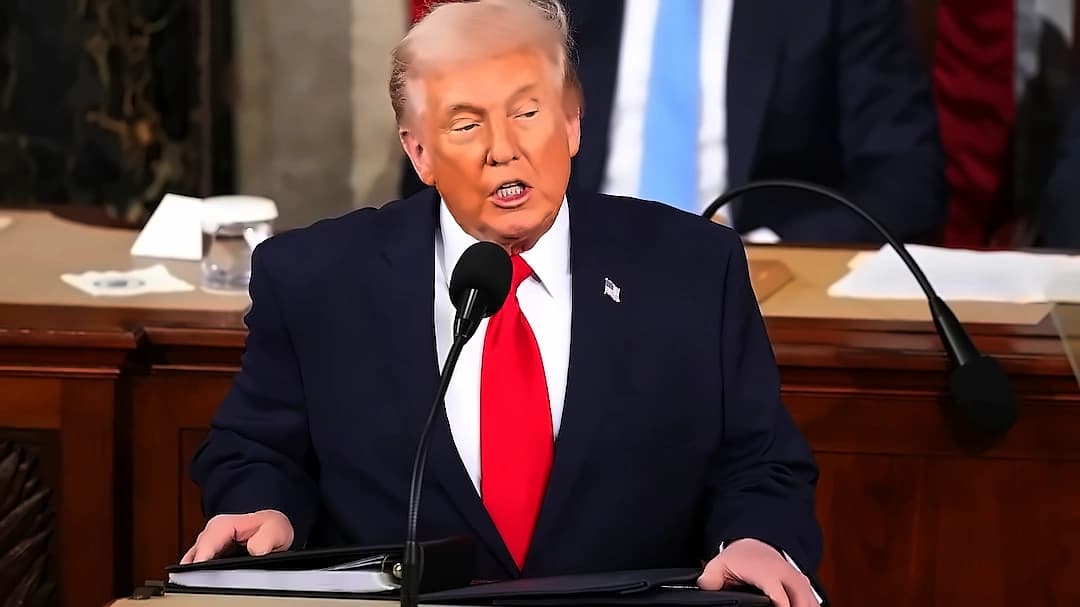
President Trump announced Saturday that an agreement involving the United States, Iran and several regional countries had been "largely negotiated" and was awaiting finalization. "Final aspects and details of the Deal are currently being discussed, and will be announced shortly," Trump said, adding that "the Strait of Hormuz will be opened." Trump said the statement followed what he called a "very good call" with leaders from Saudi Arabia, the UAE, Qatar, Pakistan, Turkey, Egypt, Jordan and Bahrain concerning Iran and "a Memorandum of Understanding pertaining to peace." He also said he had spoken separately with Israeli Prime Minister Benjamin Netanyahu, describing that call as having gone "very well." According to Axios, several Middle Eastern leaders involved in Trump's call urged him to accept a deal with Iran, with the message from Arab and Muslim leaders being: "Please stop the war for the benefit of the whole region." Trump kept the military option on the table Saturday, saying it was a "solid 50/50" whether the sides would reach an agreement or the US would "blow them to kingdom come." "I think one of two things will happen: either I hit them harder than they have ever been hit, or we are going to sign a deal that is good," Trump said. The Financial Times reported citing mediators and people briefed on the talks that the United States and Iran were close to extending their ceasefire by 60 days under a framework that would gradually reopen the Strait of Hormuz and launch discussions over Tehran's highly enriched uranium stockpile.
According to Iran International, the information was based on people familiar with the talks and no official confirmation had been issued by Iran, China, Pakistan or the US at the time of reporting. The report emphasizes that the details remain unofficial and subject to verification from the respective parties involved in the negotiations. As reported by Tasnim News Agency, which is associated with Iran's Islamic Revolutionary Guard Corps, Tehran and Washington are still at odds over one or two provisions in a draft memorandum of understanding (MoU). The latest Tasnim News Agency report on Tuesday further confirms the $24 billion total value of Iran's frozen assets, with Tehran insisting on $12 billion being released along with an MOU (Memorandum Of Announcement). Despite cautiously positive signals, skepticism remains widespread in both political circles and the Iranian public. In an online poll conducted by the conservative Iranian website Tabnak, nearly 70 percent of more than 110,000 respondents predicted that no agreement would ultimately be reached and that the war would resume. According to Iran's state news agency IRNA, the process "could collapse at any moment because of America's maximalist approaches."
US Secretary of State Marco Rubio struck a cautious tone Saturday, saying "some progress" had been made in talks on Iran and suggesting there could be news soon, while warning that no breakthrough was certain. Rubio told reporters in New Delhi that there was "a chance" the United States could have something to say "whether it's later today, tomorrow, in a couple days," but said the issue needed to be solved "one way or another." Fada-Hossein Maleki, a member of the Iranian parliament's National Security Committee who attended Saturday's meeting between Asim Munir and Ghalibaf, accused Washington of undermining the talks. In comments to the Iranian Students News Agency, Maleki claimed that both Iranian and Pakistani officials agreed that the United States itself had created many of the obstacles threatening the negotiations. He specifically accused US envoy Steve Witkoff of providing "unrealistic reports" to Trump, saying Trump's social media posts based on those reports had "created sensitivity in Iran and even upset our Pakistani friends." The IRGC-linked Fars news agency reported citing a source close to the Iranian negotiating team that talks would fail unless the United States showed flexibility, with the source saying Tehran would not discuss its nuclear program at this stage and would make any such talks conditional on US confidence-building measures.