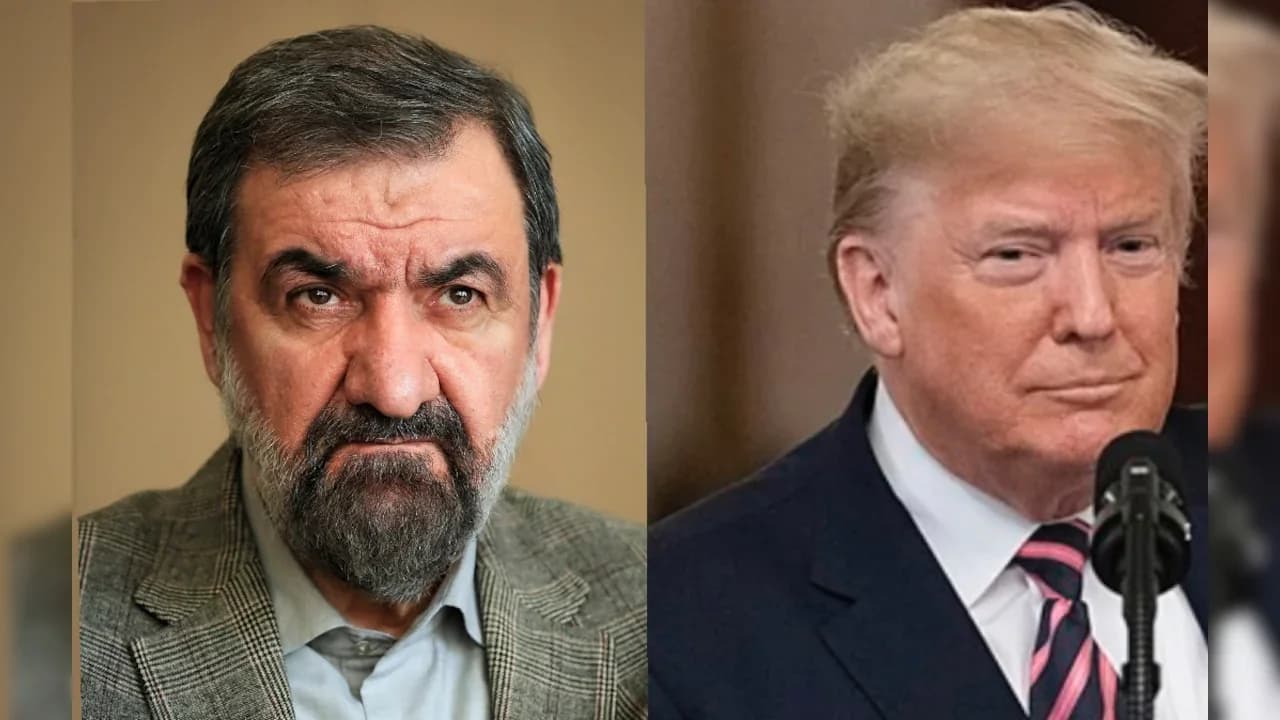
President Trump has abandoned plans to impose a 20% fee on shipping through the Strait of Hormuz, instead announcing he would seek trade and investment deals with Gulf states. According to Trump's latest post on Truth Social, 'Based on highly productive conversations with Middle East leadership, I have decided to replace the 20% United States Reimbursement Fee with Trade and Investment Deals that the various Gulf States will be making into the United States.' The Republican President emphasized that 'massive and mutually beneficial investments' will be made by Gulf nations into America, with Trump stating 'As everyone is aware, we have the largest Dollar Investment into the United States, of any Country in History, but these new Investments will make that Number even larger.' He projected that 'We will see Factories, Plants, and Equipment pour into the United States at Historic levels, which will create additional millions of High Paying AMERICAN Jobs!' The reversal came just a day after Trump unveiled the controversial shipping charge, which drew widespread criticism from analysts and the maritime industry.

President Trump announced the resumption of comprehensive shipping fee plans for the Strait of Hormuz, stating that the US will charge ships transiting the Strait of Hormuz 'at the rate of 20% on all cargo shipped' in exchange for security services. According to his latest statement on Truth Social, Trump declared 'We are reinstating the THE IRANIAN BLOCKADE, so named because it is only stopping Iran's ships or customers from entering or leaving. All other countries will have fair and open use of the Strait.' He further claimed that 'The Hormuz Strait is OPEN, and will remain OPEN, with or without Iran.' The Joint Maritime Information Center and U.S. Central Command confirmed that enforcement of the blockade of Iranian ports and coastal areas would begin at 4 p.m. New York time on Tuesday. Trump announced that 'The US will be known as ''The Guardian Of The Hormuz Strait''. He claimed that this 20% reimbursement that the country will claim from the cargo of the ships that pass through the Strait was a 'matter of fairness' and stated that 'The process of formation for this aforementioned arrangement will begin immediately.'
Oil prices climbed above $80 per barrel amid fears of higher shipping costs and renewed military escalation in the Gulf, with Trump's announcement increasing concerns about disruptions to global energy supplies. Brent crude futures for September delivery rose as much as 2.8% before trading 2.14% higher at $85.11 a barrel, while US West Texas Intermediate crude for August delivery gained 2.27% to $79.91 a barrel, extending Monday's rally of nearly 10%. The latest measures have renewed concerns about crude supplies from the Persian Gulf, with investors assessing the impact of tighter restrictions on one of the world's most important oil shipping routes. Oil has now recovered to its highest level in almost a month after losing about 30% during the second quarter. Iran exported at least 57 million barrels of crude during the period between two U.S. naval blockades, underscoring the importance of the renewed restrictions for global oil supplies.
The shipping industry faces significant uncertainty over Trump's proposed 20% reimbursement, with experts questioning both the practicality and cost implications. John McCown, a senior fellow at the Center for Maritime Strategy, told CNN that shippers typically pay carrier fees equivalent to about 2%-3% of the value of the goods being transported. He noted that a charge roughly 10 times that level would probably be prohibitively expensive for shippers, regardless of the method used to calculate the proposed fee. The White House did not provide additional details on the proposed reimbursement, including how it would be implemented or whether the proposal had been discussed with US allies in the Gulf. Maritime experts note that international law generally protects the right of transit passage through international straits, with the Associated Press reporting that international legal norms do not ordinarily permit states to impose tolls on ships simply exercising transit unless specific services are provided. Insurance companies could have decisive influence, as they may refuse to provide coverage for vessels using the route if they conclude the security risks are too great. Jay Hatfield, CEO of Infrastructure Capital Management, criticised the proposal before Trump reversed course, saying: 'I think it's patently ridiculous and totally irrelevant. It's Trump nonsense.' Industry estimates suggested the proposed charge could have added nearly $30 million to the cost of a fully loaded supertanker transiting the Strait of Hormuz.
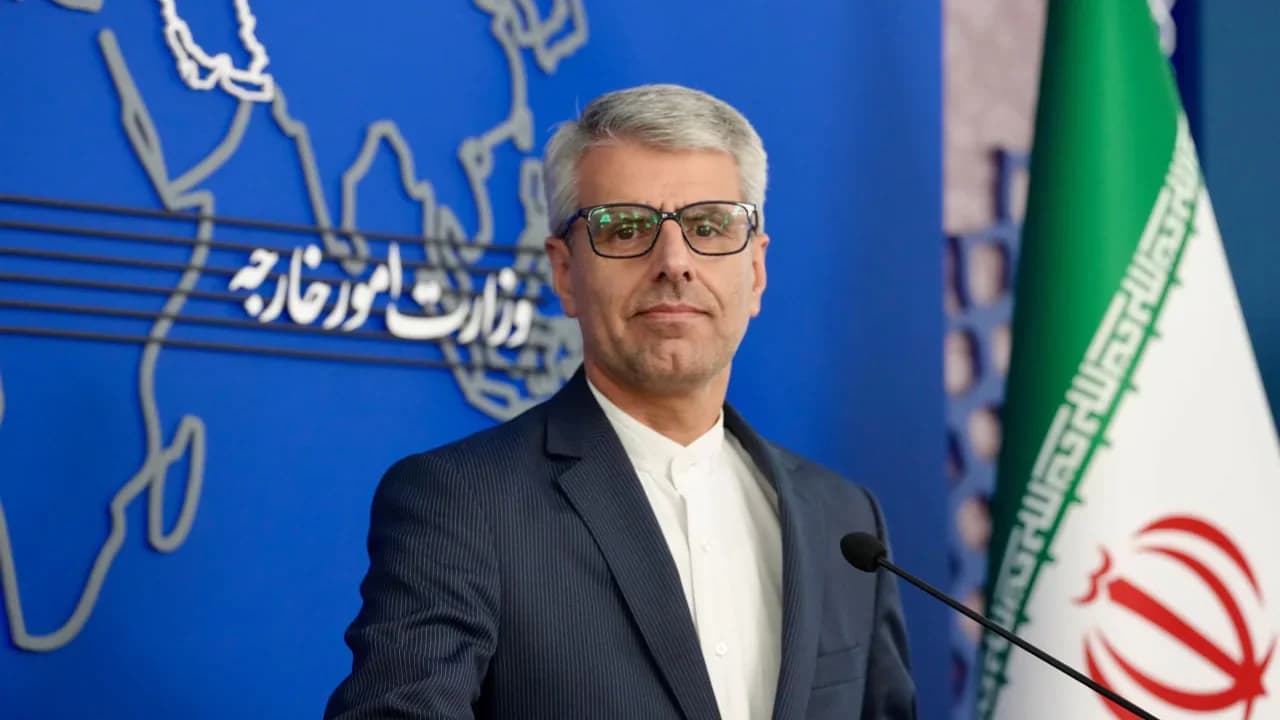
Iranian Foreign Minister Abbas Araghchi responded on social media, saying 'absolutely right. Whoever provides secure and safe passage of commercial vessels through the Strait of Hormuz should be compensated for this service'. However, he added that '20% is of course too much,' before stating 'We will be fair.' The June agreement's language giving Iran official power in the strait has proven problematic, with critics warning it was dangerously vague. The document's fifth paragraph says Iran would 'make arrangements using its best efforts for the safe passage of commercial vessels' through the Strait of Hormuz. Control of the Strait of Hormuz has become a central issue for both the US and Iran as the fragile ceasefire between the two countries has broken down. Under normal circumstances, about one-fifth of the world's oil and gas supplies pass through the strategic waterway, making any move to introduce permanent tolls significant for global shipping costs and energy supply chains.