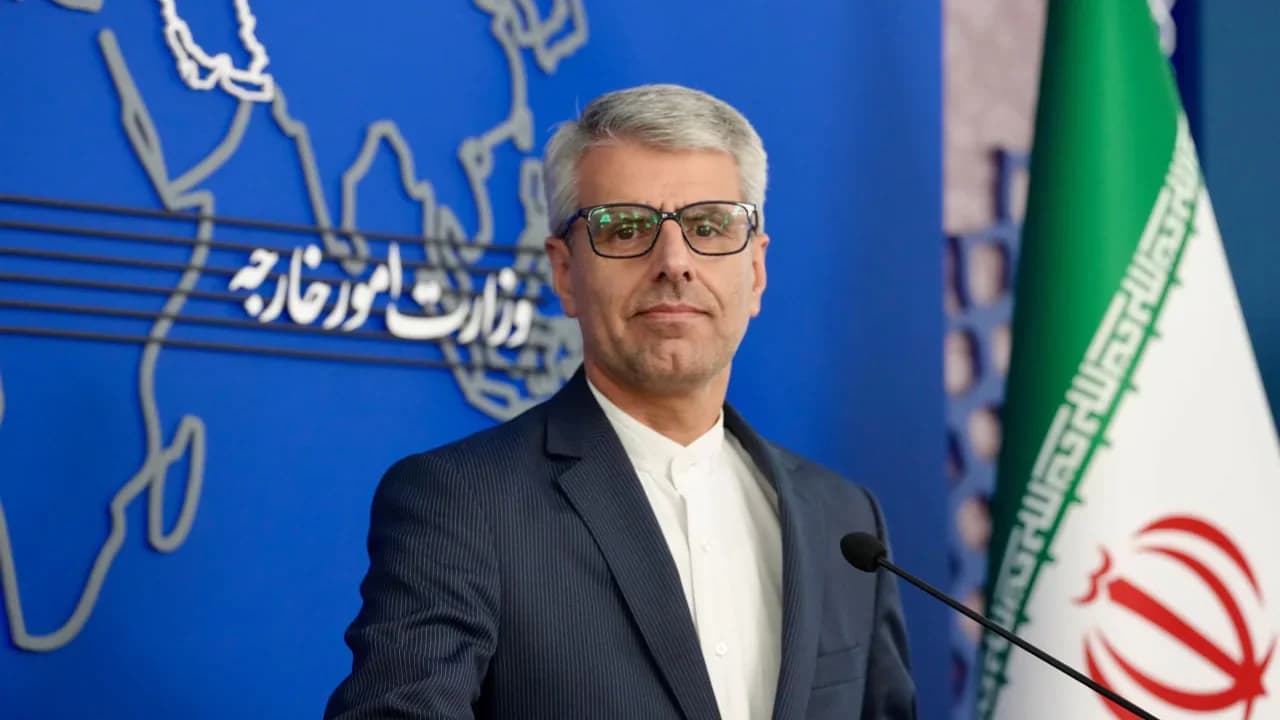
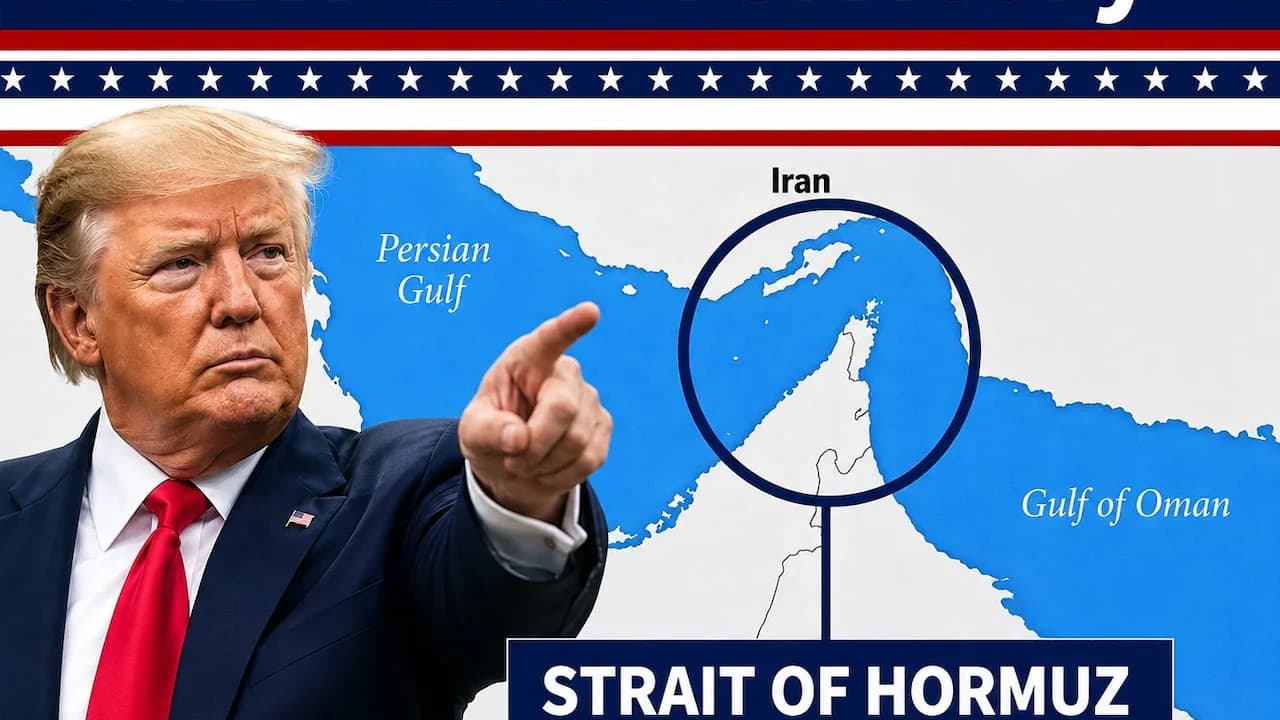
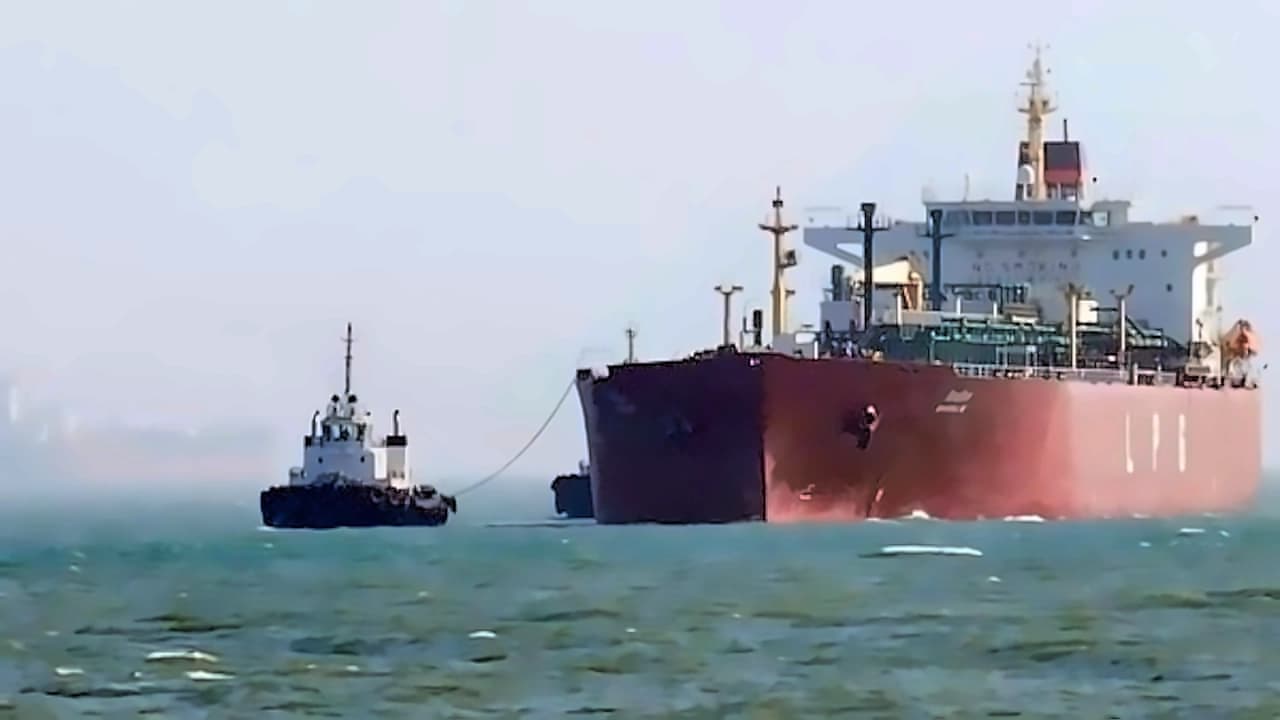
Iran has announced a 60-day waiver on transit fees for commercial vessels using the Strait of Hormuz, marking a significant shift in maritime policy following the U.S.-Iran Memorandum of Understanding (MOU) signed on June 19. According to Iranian state media, the Supreme National Security Council directed the Persian Gulf Strait Authority to prioritise vessel applications and issue permits as quickly as operationally possible. The waiver does not amount to unrestricted passage, as commercial ships will still require approval and must follow assigned transit corridors and schedules. Iran's Supreme National Security Council stated that the government would cover all costs linked to the transit process during this two-month period. As reported by Goodreturns, this represents the first market signal of potential relief for global shipping and energy markets, though the distinction between fee waivers and operational certainty remains crucial for shipowners and commodity traders.
The U.S. has announced the complete cessation of naval blockade enforcement affecting vessels moving to or from Iranian ports and coastal waters. US Central Command stated that 'American forces are not impeding the transit of vessels to or from Iranian ports. All US military blockade enforcement efforts have ceased'. This development addresses the other side of the shipping risk equation, as vessels in the region have faced uncertainty not only from Iranian controls but also from military enforcement, inspection risk and potential involvement in wider confrontations. The US position is significant because it removes a key factor that has contributed to shipping uncertainty in the region. However, shipping normalisation is likely to be gradual, with charters waiting for written technical guidance and insurers assessing whether the cessation in enforcement translates into sustained reduction in operational risk.
The Persian Gulf Strait Authority (PGSA) has issued comprehensive guidelines for vessels planning to transit the Strait of Hormuz during the 60-day test period. According to the latest notice, vessels must submit clearance requests through the authority's website or official email at least 48 hours before reaching the Strait area to avoid delays. The PGSA stated that compliant applications would be 'cleared for passage promptly' and warned that failure to follow the required coordination process would remain the responsibility of the vessel owner. During the 60-day period, charges related to security, safety and environmental services, along with related Iranian insurance costs, would not be collected from shipowners and would instead be covered by the Iranian government. The authority emphasized that due to mine-affected areas and the need to ensure safe navigation, vessels must coordinate their designated routes and passage timings before approaching the strait.
The 60-day test period represents a critical phase for determining whether the improvements in the Strait of Hormuz will translate into sustained operational improvements. As reported by Goodreturns, crude and LNG cargo schedules are planned weeks in advance, meaning refineries, utilities and trading houses may need several successful vessel passages before treating the route as stable again. The broader memorandum covers regional security, maritime navigation, sanctions relief and Iran's nuclear programme, subjects that are more complex than shipping fees. Energy markets tend to react quickly to headlines from the Strait of Hormuz, but physical trade adjusts more slowly, with the Strait moving about 7.6 billion barrels of oil annually making potential toll implications significant for global energy markets. India is particularly exposed to West Asian energy market developments due to its heavy crude oil import dependency, with sustained easing potentially helping contain shipping premiums while renewed confrontation could raise crude benchmarks.
Energy industry experts suggest that if the controversy over transit fees in the Strait of Hormuz materializes, it could impact shipping costs for Middle Eastern crude oil and LNG, potentially becoming a new variable in global energy prices. The Strait of Hormuz serves as a critical energy transport route that carried roughly one-fifth of global oil before the war shut it. Tehran has adopted certain procedures according to international law to protect Iran's interests in the strategic waterway, emphasizing its critical importance for Iran's national security and the Islamic Republic. The US Strategic Petroleum Reserve has hit a 43-year low, reducing the cushion for supply disruptions and amplifying market sensitivity to any operational changes in the Strait. A senior administration official noted that the goal is to create a mechanism that makes it impossible for Hormuz to be closed off again, while adding that there may be different ideas, including options preferred by regional stakeholders, and the US will consider those suggestions. For India, the immediate transmission channel is crude oil, with higher prices potentially widening the import bill, pressuring the rupee, affecting inflation expectations and influencing monetary policy assumptions.