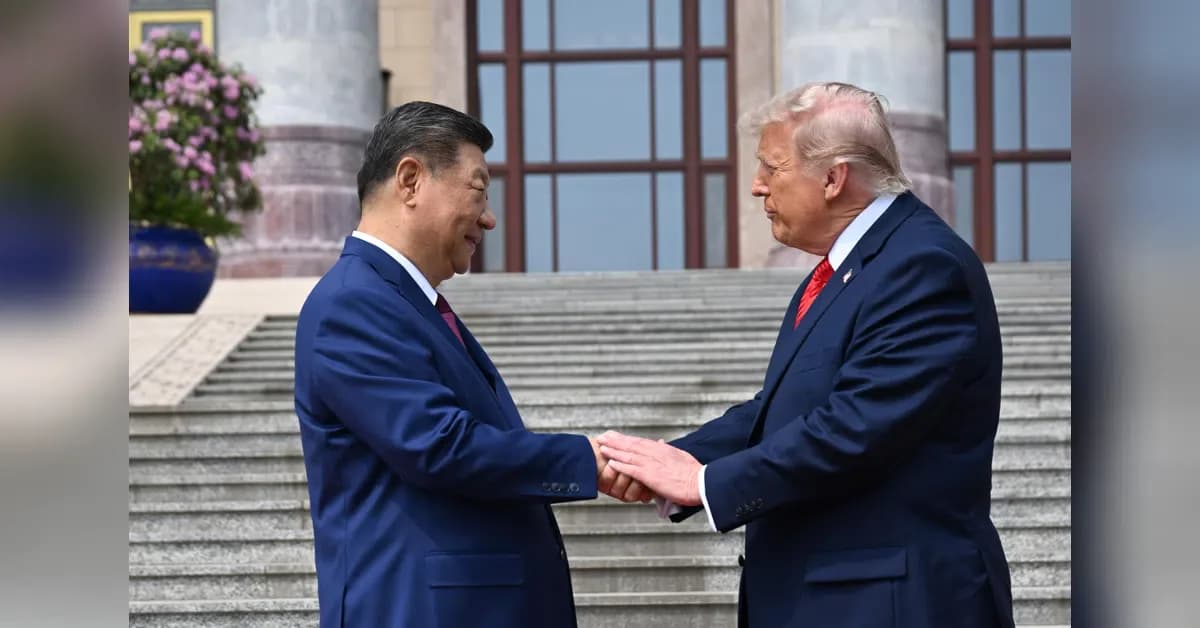
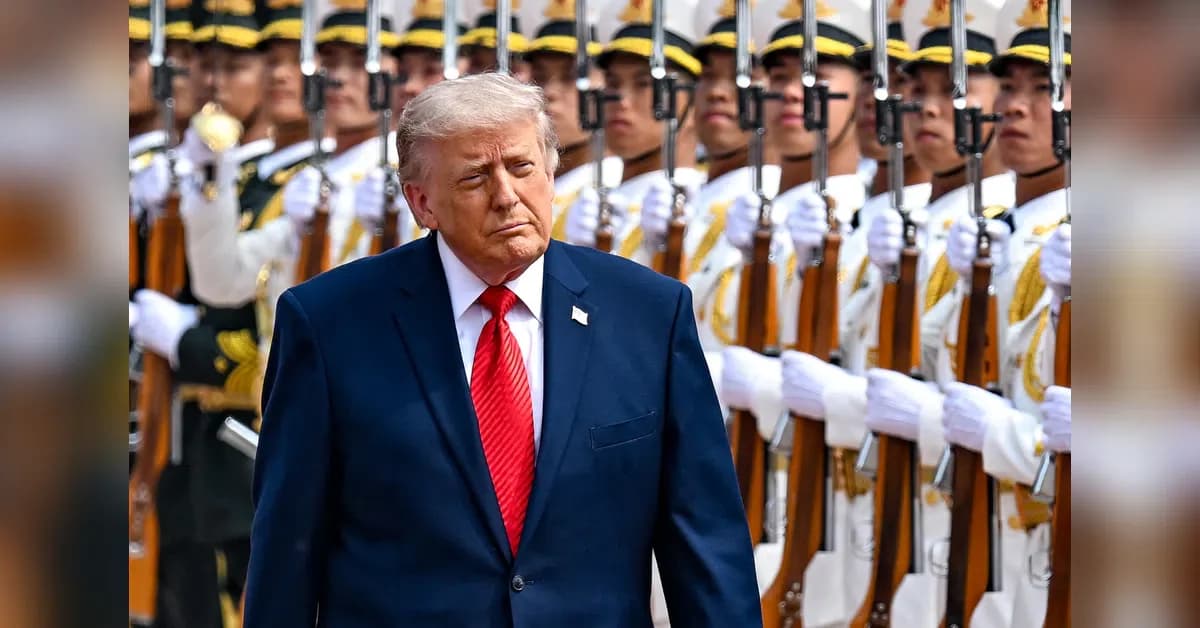
Presidents Donald Trump and Xi Jinping concluded their two-day summit in Beijing with a display of warmth and respect, as reported by Business Standard. Trump praised China as a beautiful place and called his counterpart a great leader, while Xi welcomed Trump with military honors, flag-waving children, a gift of rose seeds and a toast to his health. The friendly scenes and show of stability may be the biggest takeaway from the visit, which occurred under mounting concerns about the economic fallout of a Middle East conflict that is stoking global inflation, as well as increasingly public tension over Taiwan.
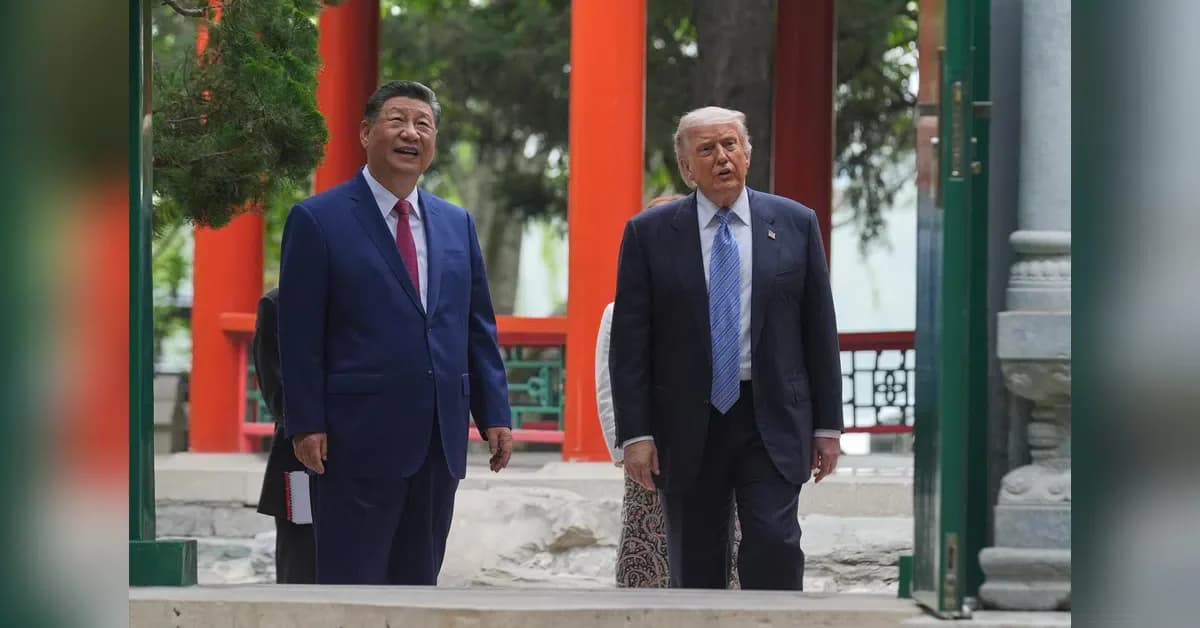
Xi Jinping emerged as the primary winner, receiving a propaganda victory from Trump's presence and warm words for China's government. According to Business Standard, Trump's silence over Xi's contention they had established a new 'constructive, strategic, stable relationship' was particularly beneficial for the Chinese president. Jensen Huang of Nvidia Corp. also benefited from being included in the delegation after initially being left off the White House's executive list, while Visa Inc. received Trump's personal pressure to gain access to China's massive payments market with 10.2 billion bank cards in circulation and ₹963.6 trillion yuan in transaction value.
Despite initial market disappointment, Boeing Inc. secured a significant breakthrough with 200 aircraft orders from China, marking the company's first major sale to China in nearly a decade, as reported by AP News. While this fell short of the expected 500 planes, Trump portrayed this as a victory, claiming Boeing had hoped for 150, though the company's stock took a hit due to the lower-than-expected numbers. The deal represents a major milestone for US-China aviation cooperation after years of strained relations.
Iran benefited from Trump's public celebration of positions China had already staked out, including support for keeping the Strait of Hormuz open and opposition to Tehran having nuclear weapons. However, Taiwan faced increased pressure as China debuted new tough language warning of potential conflict, with Xi asking Trump whether the US would defend Taiwan in a conflict, to which Trump responded: 'I don't talk about that.' According to Business Standard, a White House statement about the meeting didn't mention Taiwan at all, though Secretary of State Marco Rubio indicated US policy hadn't changed.