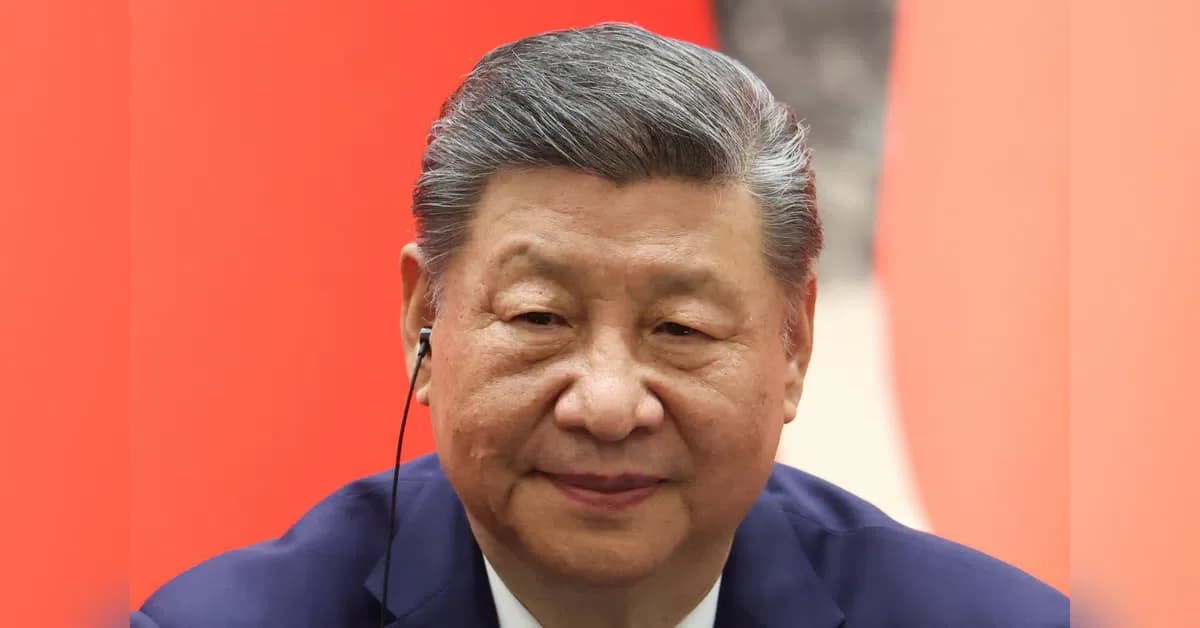
The recent US-Israel-Iran conflict has fundamentally altered the global order, with geopolitics now emerging as a central force shaping economies rather than a distant backdrop. The Trump-Xi Beijing summit delivered grand symbolism and carefully choreographed diplomacy, revealing a rapidly evolving world order increasingly shaped by direct bargaining between major powers, with global institutions and middle powers struggling to keep pace. The summit, Trump's first visit to China since returning to office, unfolded against the backdrop of intensifying geopolitical instability, including the ongoing Iran conflict, mounting tensions over Taiwan, and accelerating technological competition centered on artificial intelligence and semiconductors. Both leaders sought to project stability and mutual respect while avoiding direct public confrontation on the most explosive issues dividing the two powers, with the sharpest moments reportedly coming behind closed doors where Xi warned Trump that mishandling Taiwan could lead to clashes and even conflict. The President has his agenda. There is a need to demonstrate to his voter base that engaging with China has tangible economic returns, while China needs to signal that it remains a vital market in which US corporations cannot bypass.
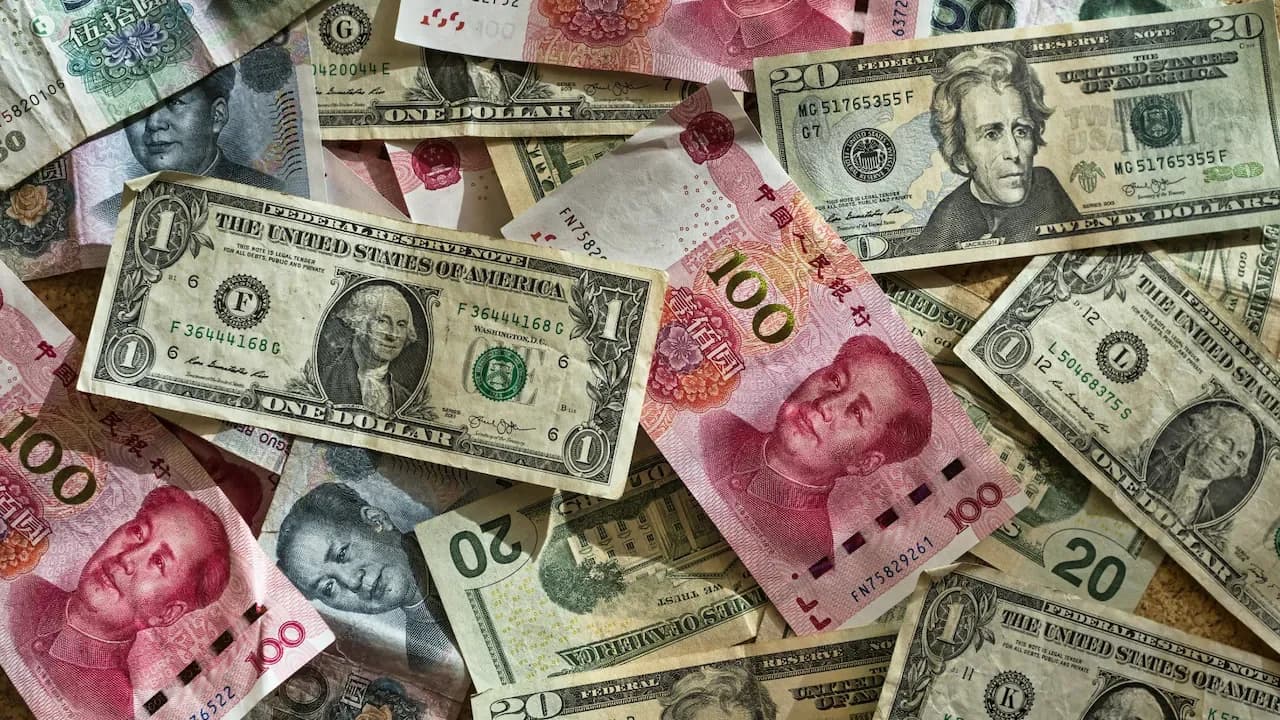
The world is transitioning from a rules-based international order that operated for decades following World War II to a more transactional trajectory, according to international affairs scholars. This shift represents a fundamental change in how nations approach global cooperation, with transactionalism offering direct leverage, immediate outcomes, and conditional concessions compared to the earlier multilateralism that required shared humanity and solidarity. The trend is particularly concerning as problems requiring globally coordinated responses are on the rise, including climate change, cybersecurity, and AI risks, yet the world is moving in the opposite direction. Under transactionalism, power itself becomes the source of legitimacy and is not constrained by it, with primacy accorded to bilateral dealmaking where leverage is direct and outcomes immediate, visible and tangible. The Iran war has deepened structural vulnerabilities across the Middle East region, with critical infrastructure in energy production and transport corridors exposed while existing faultlines such as proxy rivalries and governance weaknesses may have been intensified. The reality is much more complex than the discourse surrounding decoupling between the US and China. Both superpowers retain significant economic incentives to maintain the relationship, namely across consumer markets, investment flows, and financial services, making globalization as we understood it over. Geopolitical fragmentation — the emergence of competing economic and political blocs — has become more pronounced, with influential actors such as the U.S., China, the European Union (EU), India, and Russia pursuing distinct agendas, creating what some strategists call a "multiplex world order" with overlapping spheres of influence.
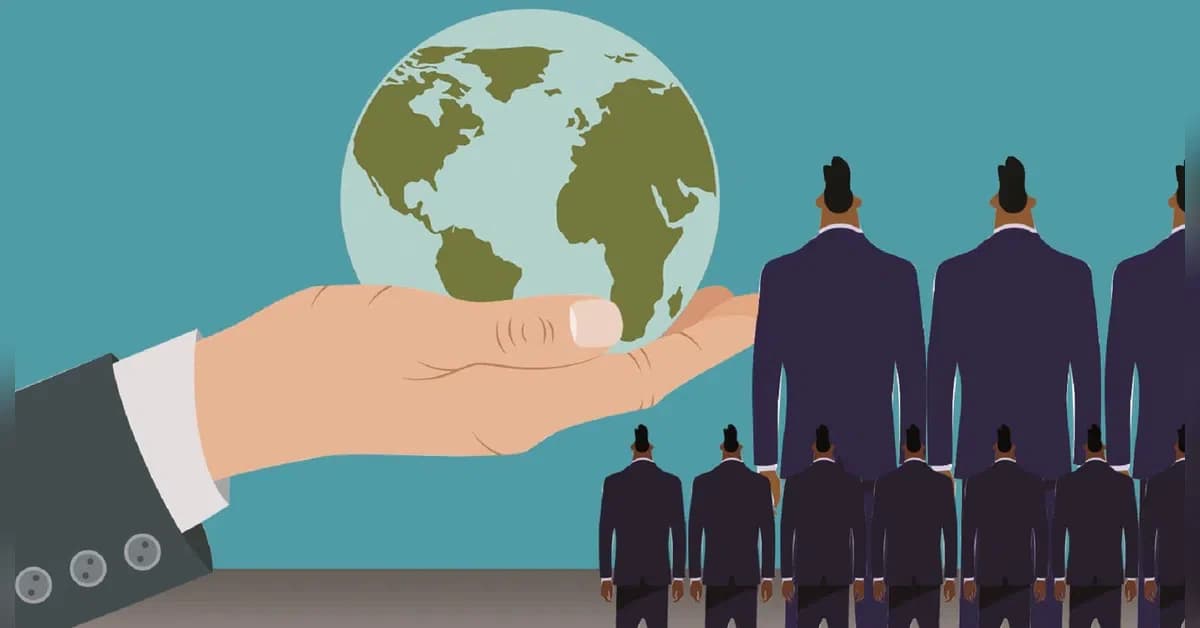
President Trump's accompanying delegation to Beijing consisted of tech CEOs, a decision telling in itself. Over ten American business leaders from aviation, technology, finance, and strategic industries accompanied the President, sending a clear message that CEOs are no longer bystanders in geopolitics; they sit at the table. This represents a fundamental shift where private companies across areas such as AI and semiconductors are now direct actors in negotiations between key states. When CEOs Enter The Negotiating Table, businesses can now shape and influence geopolitics, carrying profound implications for countries like Thailand. Discussions between the global powers can alter the course of tariff structures, investment flows, and supply chain configurations. Countries without clear positioning, which face questions over governance risk being left out of the new global economy altogether. The trend underscores how neutrality may not be enough to maintain Thailand's relevance, especially with the absence of credibility in today's transactional world order.
Thailand is facing a critical challenge across multiple fronts, from trade to supply chains, as an export-reliant economy dependent on foreign direct investment. Thailand sits at the intersection of supply chains connecting the United States, China, Japan, Europe, and ASEAN, historically a strategic advantage but now making the country vulnerable to exposure. In 2025, bilateral goods trade between Thailand and the United States reached $110.8 billion, with the US goods trade deficit with Thailand standing at $71.9 billion. The United States is Thailand's largest export market, accounting for approximately 18.3% of total Thai exports in 2024. Thailand cannot risk being seen as merely a low-cost production base or a means to avoid tariffs. The country needs to meet the requirements of a productive, trusted partner in the new world order and prove it can navigate the challenging waters of contemporary geopolitics through meaningful reforms, from abolishing corruption to increasing domestic competitiveness.
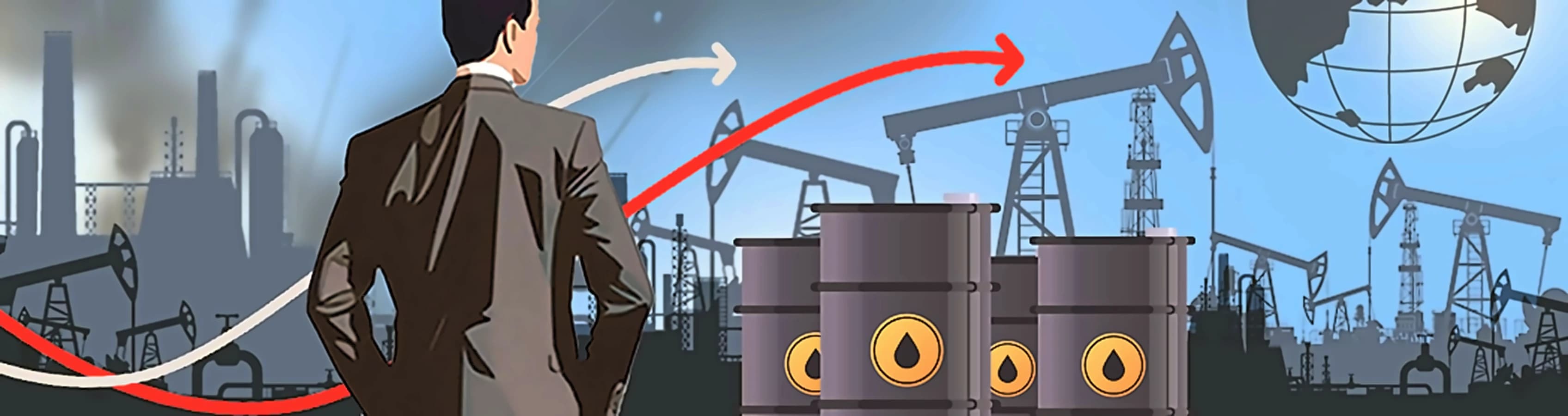
Geopolitical fragmentation does not confine itself to headlines — it cascades into almost every aspect of the business environment. In a more fragmented operating environment, control gaps and third-party risk can increase, particularly when companies change suppliers, enter new markets quickly, or face disrupted logistics. Recently, oil markets reacted sharply to the U.S.-Israel air campaign against Iran — "Operation Epic Fury" — and to Iran's moves affecting shipping through the Strait of Hormuz, with Brent crude trading above $100 per barrel and reaching intraday highs around $119 as the effective closure of the strait intensified supply fears. In a recent World Economic Forum survey of global leaders, 23% identified state-based conflict as the most likely driver of a major global crisis — ranking it above inflation and climate threats. Geopolitical upheaval has become a core business issue, with companies now grappling with this new reality. Despite the daunting landscape, challenges also create opportunities — companies that are quick to adapt can capture market share while others hesitate. Some firms are pivoting their offerings to meet new needs, with cybersecurity providers and risk consultancies in higher demand, while industrial firms in "safe" countries are seeing investment as manufacturers diversify production.