Iran has moved to the 'final stage' of drafting an agreement with Oman over the Strait of Hormuz, with Foreign Ministry spokesman Esmail Baghaei confirming that a joint statement will be issued 'if certain parties do not obstruct this process', apparently referring to the US. According to The Associated Press, Iranian and Omani negotiators have finalised the draft deal to reopen the strait and are awaiting final approval from Iran's Supreme Leader Ayatollah Mojtaba Khamenei. The agreement would provide Iran with control of ships heading into the Gulf through the strait, with the text of an arrangement already on the table. However, regional officials told AP that the potential deal will pave the way for the US and Iran to resume negotiations on Tehran's nuclear programme, suggesting this represents a temporary solution to the ongoing dispute.
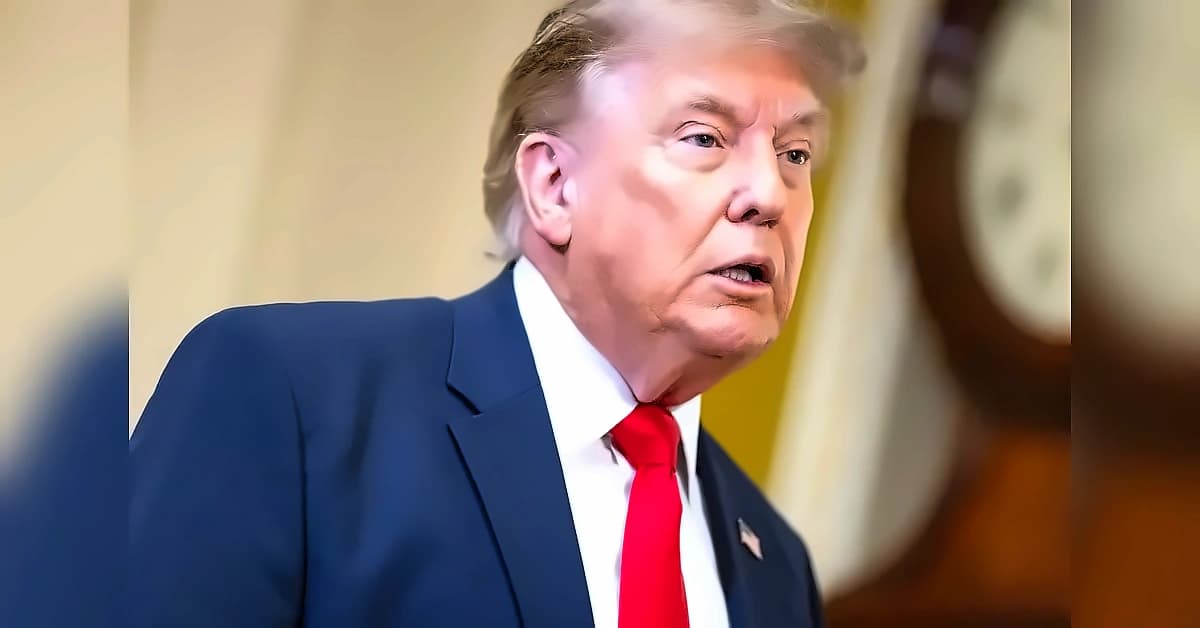
US President Donald Trump has signalled a potential compromise on the Strait of Hormuz deal, telling reporters that 'A lot of progress has been made,' emphasizing that 'There's been progress made in those talks, but not finality yet. We're hoping that will happen very shortly.' According to Business Standard, the deal is likely to be contingent on the US lifting its blockade on Iran's ports, with the Trump administration having previously ruled out any arrangement that would cement Iran's grip over the strait. However, Trump has conceded that Iran retains significant control capabilities, stating that 'They can always shoot something, they always have something or drop a mine,' noting that 'If you have one mine sitting out there, you sort of mess things up because people don't want to take their billion-dollar boats and accidentally get hit by a mine.'

The closure of the Strait of Hormuz, through which 20% of the world's oil normally flows, has driven up fuel and basic goods prices, roiling the global economy. Trump is under mounting pressure to end an unpopular war ahead of US congressional elections, adding urgency to diplomatic efforts. According to Business Standard, vessel traffic through the strait increased to 84 transits last week, up from 45 the week before, though this remains far below the more than 700 transits seen in a typical week before the crisis. At least two ships were hit in the Strait of Hormuz in the past week, while several others reported near misses or warnings from entities claiming to represent Iran's Revolutionary Guard, according to maritime data company Lloyd's List Intelligence. The potential agreement could reopen the critical waterway, ease pressure on the world economy and help bring an end to the war.
Trump has acknowledged military equipment shortages, telling reporters that 'we need more all the time' and claiming that 'certain kinds of munitions are in "virtually unlimited supply" and others are "a little bit tighter."' According to Business Standard, the Center for Strategic and International Studies has released reports on declining inventories of advanced weapons like missile interceptors that have defended American troops from Iranian attacks. Sen. Mark Kelly stated that the weapons shortfall stems from a war that lacked a well-defined goal and strategy, noting that 'My contention on this is, if you knew what the goal is, maybe the target list would have been 500 targets. Maybe it would have been 200 targets.' Meanwhile, about two-thirds of US adults say the war with Iran has not been worthwhile, according to a poll from late July by The Associated Press-NORC Center for Public Affairs Research, with the vast majority of Democrats and independents, as well as about 37% of Republicans, expressing this view.
Despite diplomatic progress, attacks on regional shipping continue with Iranian-backed Houthi rebels in Yemen claiming to have fired ballistic missiles toward Saudi oil tankers on Wednesday. According to Business Standard, a vessel sailing in the Gulf of Aden reported a loud explosion that happened in close proximity, with the crew reported safe. In July, the Houthis announced they were closing the Bab el-Mandeb Strait that leads to the Red Sea for Saudi-linked shipping, putting additional pressure on international shipping. Meanwhile, the shaky ceasefire between Israel and Iran-backed Hezbollah grew more volatile as the Israeli military issued evacuation warnings and began conducting strikes in southern Lebanon. These developments highlight the complex regional dynamics that continue to challenge diplomatic efforts despite progress on the Hormuz deal.