Iran's Islamic Revolutionary Guard Corps (IRGC) has issued a stern warning against using any newly proposed transit routes through the Strait of Hormuz without Tehran's approval, stating such passages are 'unacceptable and dangerous'. According to Iranian local media, the IRGC Navy said vessels must use only shipping corridors designated by Iran and coordinate movements through approved communication channels. The warning comes despite a recent agreement between Washington and Tehran aimed at reopening maritime traffic through the Strait. "Navigation outside these routes is highly dangerous and prohibited, and we warn all vessels to strictly avoid any movement outside the designated corridors," the IRGC Navy stated. The warning follows a naval information group notice on Saturday recommending the southern transit corridor along Omani territorial waters as 'clear of mines and safer for navigation'.
While ship traffic has begun recovering, activity remains significantly below pre-conflict levels despite the recent agreement. Ship-tracking data provider MarineTraffic reported vessel transits through the Strait tripled last weekend to 93 compared with the previous comparable period, though this remains below the more than 100 daily crossings typically recorded before the conflict. MarineTraffic also reported 31 verified commercial and energy vessel crossings on Tuesday, with operators continuing to use a mix of Iranian, Omani and International Maritime Organization-designated routes. "Operators are still moving cautiously rather than returning to fully normal traffic patterns," the firm noted. The recovery comes after Iran initially closed the Strait before reopening it, with shipping data showing only five vessels passing through on Sunday, compared to 26 a day earlier.
In response to the ongoing Strait of Hormuz crisis, Oman has announced the creation of a temporary maritime transit corridor in coordination with the International Maritime Organization (IMO). According to Oman's statement, the decision was driven by its 'responsibilities' towards the Strait of Hormuz, recognising its vital role in the global economy while reaffirming its commitment to international law and ensuring freedom of navigation. The temporary corridor is intended to facilitate the movement of vessels while supporting compliance with international maritime regulations and maintaining freedom of navigation without additional transit charges. The route is defined by coordinates announced by the IMO and Omani authorities, with ships willing to transit required to coordinate with IMO.
Iran's military has intensified its response to the fragile ceasefire, with the Revolutionary Guard targeting the Ali Al Salem air base in Kuwait and the U.S. Navy's 5th Fleet in Bahrain, according to the state-run IRNA news agency. The U.S. military confirmed there were no reports of harm to U.S. personnel from these attacks. Earlier in the week, Iranian drones heavily damaged a passenger terminal at Kuwait's main airport, killing one person and wounding dozens. The latest exchanges came as U.S. Central Command shot down two Iranian attack drones over the Strait of Hormuz, with the U.S. military also intercepting several missiles and drones launched toward Gulf allies. Iran has fired ballistic missiles and drones toward Bahrain and Kuwait that were intercepted early Saturday, with Bahrain's government calling on Tehran to halt attacks on Gulf neighbors.
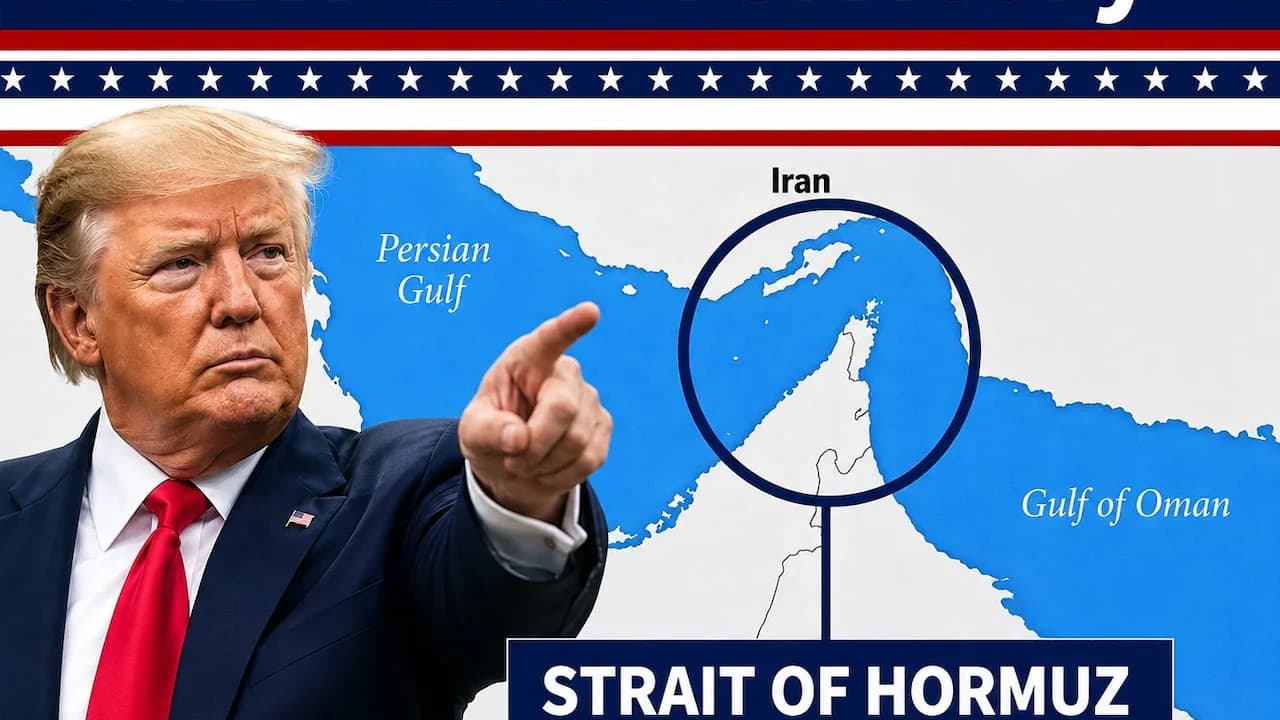
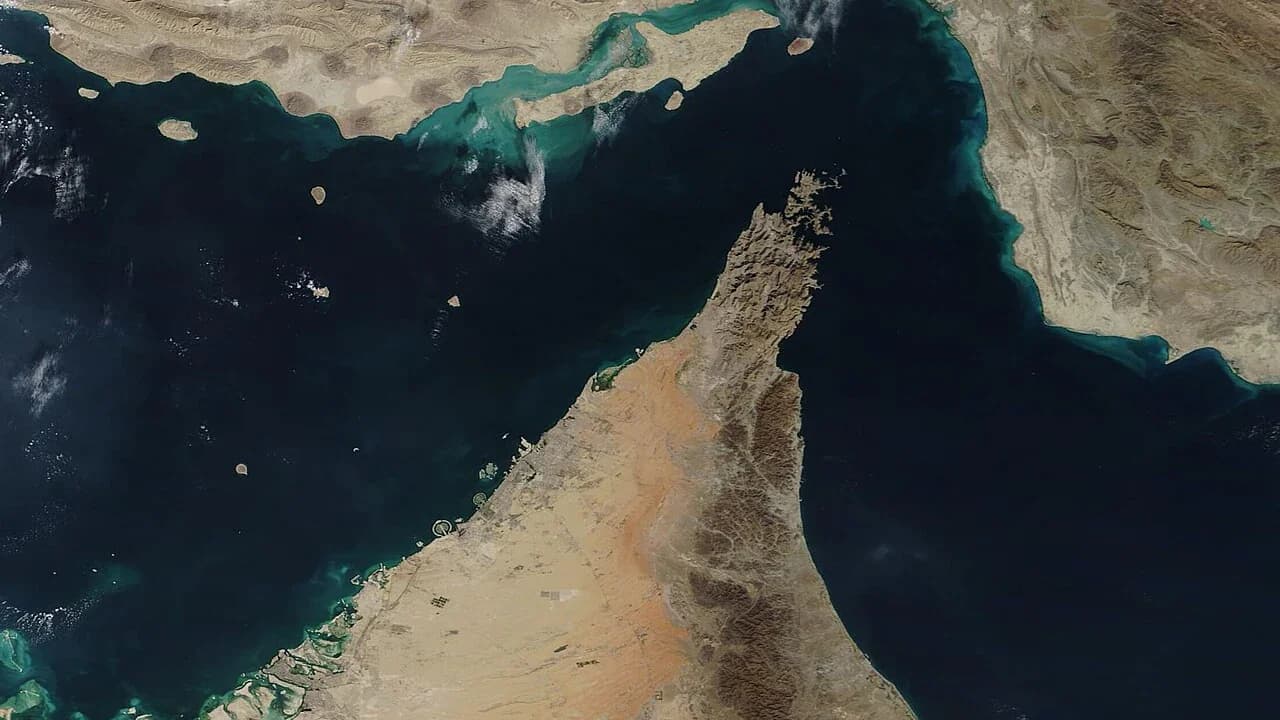
The Strait of Hormuz links the Persian Gulf with the Gulf of Oman and the Arabian Sea, serving as the route for major oil exporters including Saudi Arabia, Iraq, the United Arab Emirates, Kuwait, Qatar and Iran. A large share of seaborne crude and LNG exports from the region moves through this narrow corridor. Markets often react quickly to perceived threats in the strait, with traders pricing in risks that tankers may be delayed, insurance costs may rise, or buyers may need alternative cargoes. For India, which relies heavily on imported crude, even a temporary rise in risk premiums can feed into oil import bills, the rupee, inflation expectations and fuel pricing pressure. The impact extends beyond crude prices to refined fuel shipments, petrochemical feedstocks and LNG cargoes, with freight rates potentially rising if shipowners demand higher compensation for entering the Gulf.
The closure comes after Iran suspended talks with the US to reach a peace deal, with U.S. and Iranian negotiators reaching a tentative agreement a week ago to extend the ceasefire by 60 days and start new talks on Iran's nuclear program. However, Trump has called for unspecified changes, and Iranian officials have shown no public sign of agreeing to the deal. The suspension of peace talks follows Israel's launch of strikes at Lebanon, which Iran views as a violation of the ceasefire agreement. Iran has demanded that any lasting truce extends to Lebanon, where Israeli forces have seized large swaths of the south while targeting the Iranian-backed Hezbollah militant group. The fighting in Lebanon also challenges efforts to end the Iran war and reopen the Strait of Hormuz, with Hezbollah rejecting the U.S.-brokered agreement reached earlier in the week.
The Trump administration is seeking to ratchet up economic pressure on Iran while pressuring Tehran to make a deal to end the war. The U.S. Treasury Department is considering allowing Gulf allies to tap into frozen Iranian assets stored abroad to pay for damages they sustained in the war, according to a person familiar with Secretary Scott Bessent's thinking. Miad Maleki, a senior fellow at the Foundation for Defense of Democracies, explained that the U.S. government is saying: 'Hey, not just that we're not going to give you these funds. As a matter of fact, we're going to take these funds from you, and we're going to help Gulf states to take it.' Allowing Gulf states to use the frozen assets would bolster U.S. ties there and send a clear signal that America is sticking with its partners, though some Gulf states may be reluctant to use the funds out of concern for retaliation from Iran.