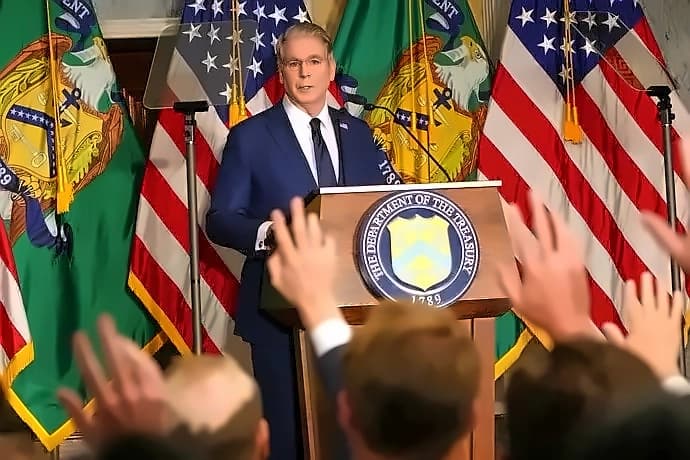
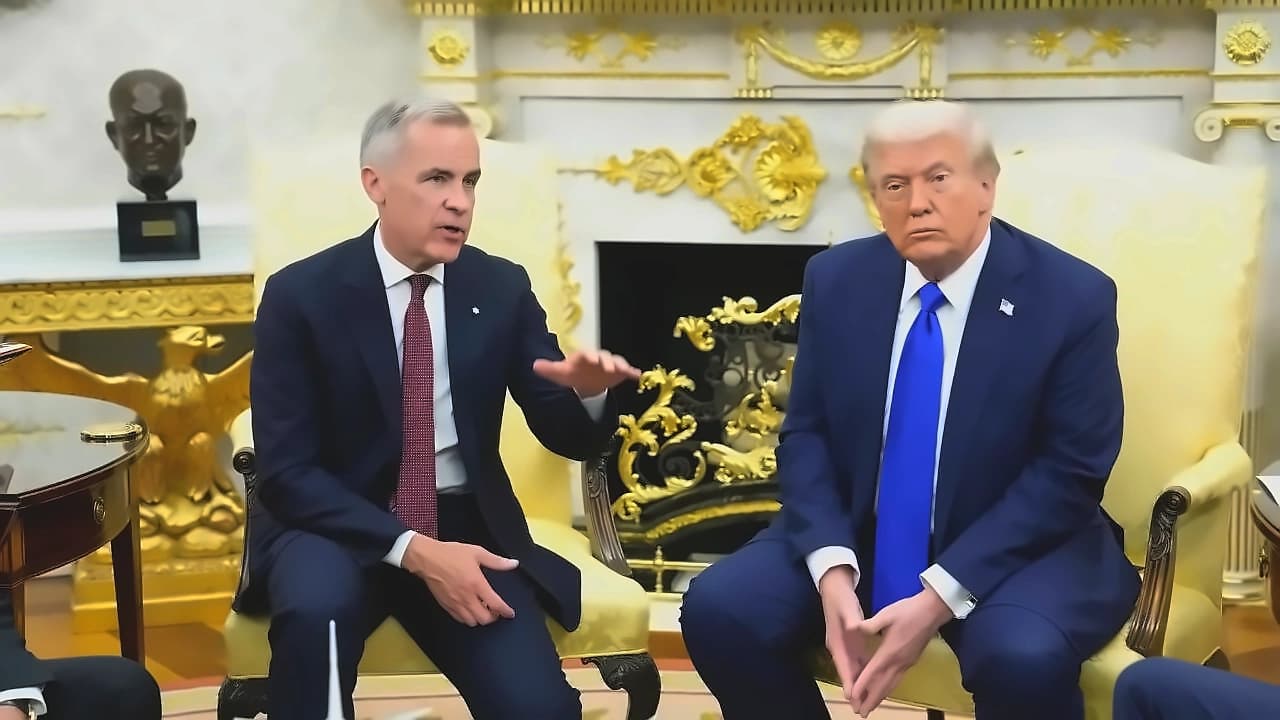
Canada has doubled its retaliatory tariffs on US goods to $20 billion worth, matching the dollar value of Canadian goods the White House imposed tariffs on Saturday. The new counter-tariffs, which will take effect on September 8, will impose duties of 50% on American-made milk, furniture, clothing and apparel, as well as video-game consoles, smartphones and other electronics. This represents a sharp reversal in Prime Minister Mark Carney's approach, who had previously lifted many counter-tariffs in an effort to improve relations and made numerous concessions, including pulling a digital services tax. The Canadian government announced these measures on Tuesday, marking a significant escalation in the trade dispute.
US President Donald Trump has escalated his trade war with Canada, warning Canadian leaders to 'fall in line' or face consequences 'far WORSE' than the tariffs already imposed. Trump announced the escalation in a Truth Social post, writing that the new tariffs would apply to 'all Cars, Trucks, both large and small, Automotive Parts, and Steel' from January 1, 2027. The president accused Canada of 'ripping off' the US for decades, claiming that 'Canada has been charging our Farmers 400% Tariffs, and more' and alleging that its policies have driven many US companies out of business. Trump argued that the US did not need Canada, while claiming Canada remained heavily dependent on the American market. In his latest post, Trump said that in terms of trade, Canada is 'among the worst nations in the world to deal with.' The current tariff rate on Canadian auto imports stands at 25%, applied only to non-U.S. content in vehicles, while U.S. tariffs on Canadian steel imports are already at 50%.
The retaliatory tariffs, which took effect on September 8, impose duties of 50% across American-made milk, furniture, clothing and apparel, as well as video-game consoles, smartphones and other electronics. Canada levied the 50% tariffs on steel, aluminum, furniture and clothing, set the 25% tariffs on cheese, appliances and some seafood, and placed the 15% tariffs on electronics and tools, as reported by a Canadian government official. The new duties cover goods accounting for nearly 4.5% of Canada's imports from the United States, calculated using 2024 trade figures. Trade analysts say they could have severe, concentrated effects on some sectors that are already struggling like wood products, particularly kitchen cabinet makers. The Canadian tariffs will also cover some prepared foods, perfumes and toiletries, plastics, lumber, wood pulp and paper products, carpets and clothing, as well as industrial goods including iron and steel, hand tools, machinery and electrical equipment, rail engines, motorcycles, furniture and gaming equipment.
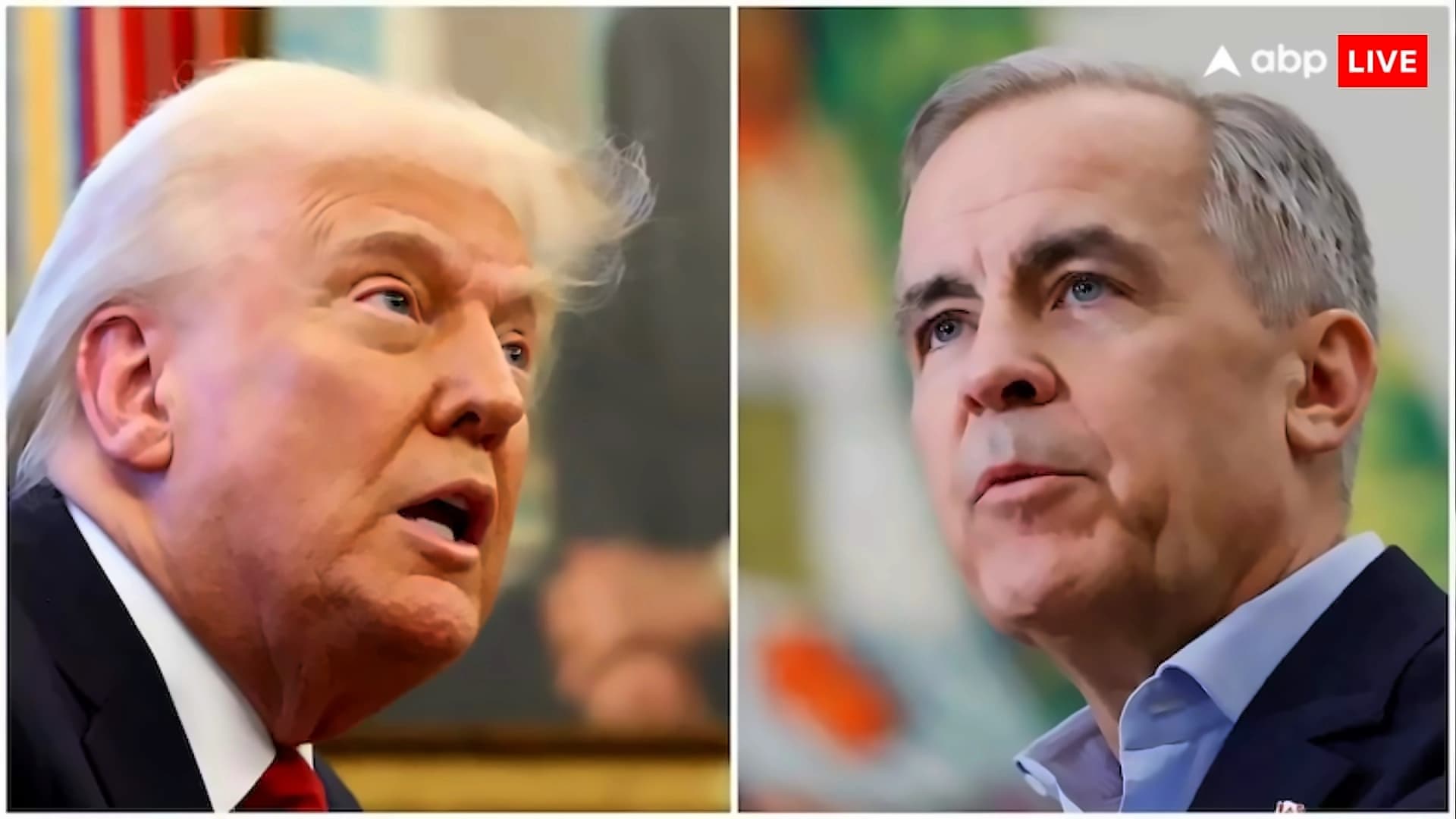
Canada has unveiled a C$7.5 billion package of measures featuring support for small and medium-sized businesses, funding for cash flow of companies, and support for workers at risk due to the new tariffs. The Business Development Bank of Canada, a federal lender, will provide part of the support to affected businesses, offering interest-free loans of between C$2.5 million and C$5 million. Industry Minister Melanie Joly said companies would not be required to make repayments for 36 months, a period that would run through the end of the Trump administration's term. 'Our dollar-for-dollar, rate for rate counter-tariffs as well as a multi-billion dollar support package will protect workers, farmers, families, and businesses,' Canada's Finance Minister François-Philippe Champagne said. Joly explained that the counter-tariffs were 'primarily aimed at protecting Canadian businesses but were also aimed at applying political pressure before Americans vote in the November 3 midterm elections.'
The escalating trade war presents a political dilemma for Trump's Republican Party as it defends its narrow majorities in the US House and Senate. Democrats see midterm election opportunities in Michigan, Pennsylvania and even in Ohio, which has been firmly under Republican control, and will likely use the Canadian retaliation to bolster their attacks on Trump's tariff policy, which polls have shown is unpopular with voters concerned about the cost of living. Ontario Premier Doug Ford, calling for a truce, told Bloomberg Television: 'Things got a little heated, Joe, yesterday between both of us. He was throwing insults, and I hit back. But I think it'd be more productive if the prime minister and the president sit down and have a fair deal for everyone.' As Canada's manufacturing heartland, Ontario has been heavily affected by US economic aggression, with Ford supporting Carney's policy of retaliation while calling for diplomatic resolution.