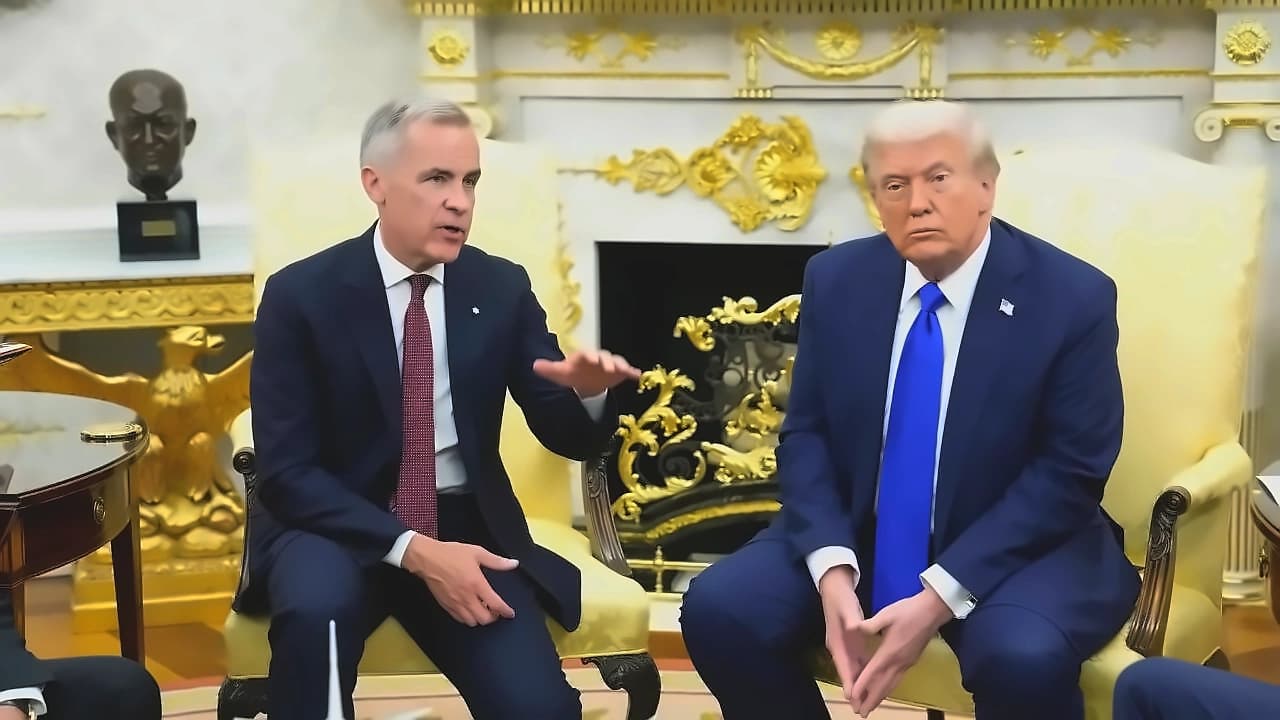
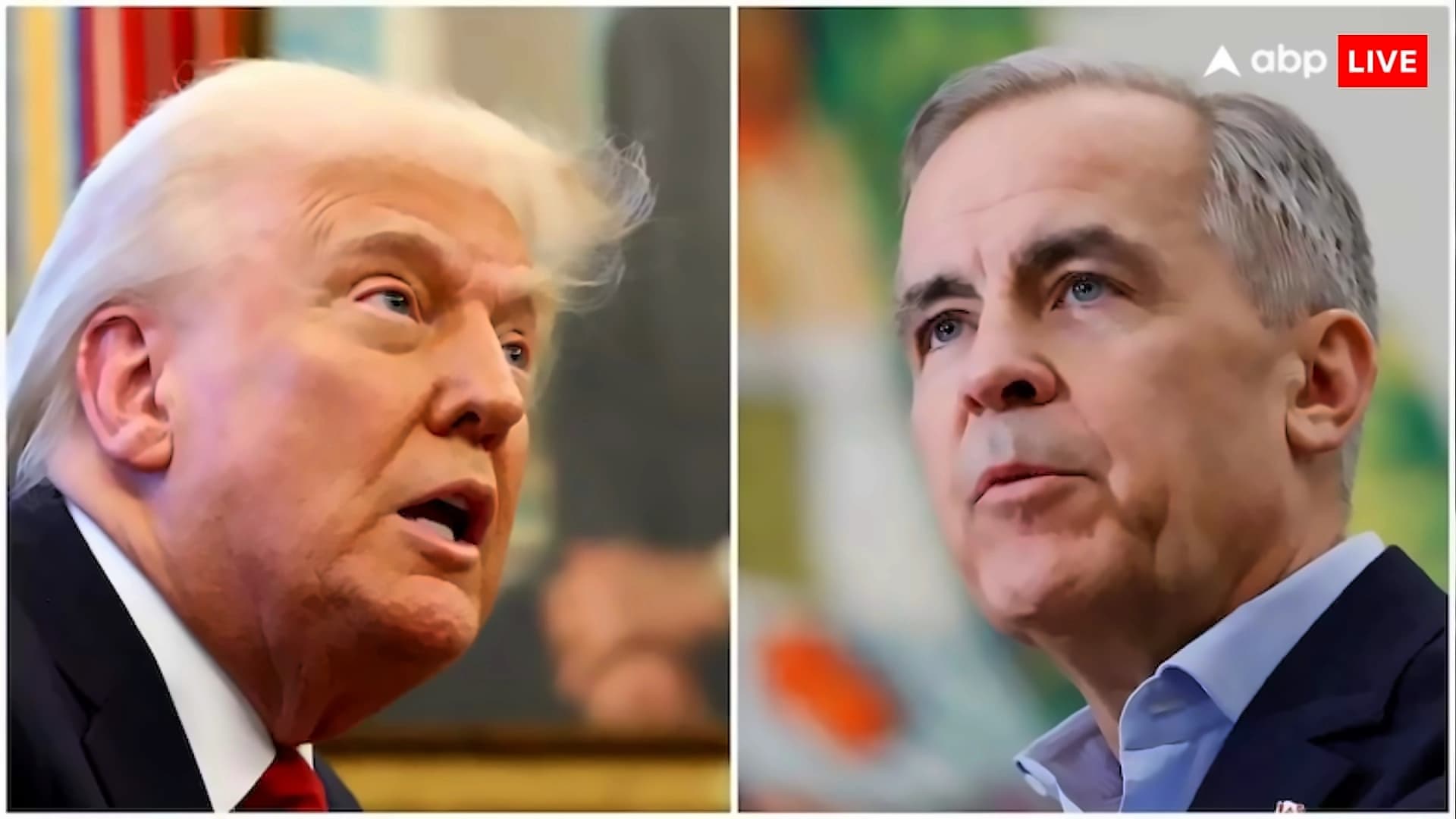
Washington and Ottawa have failed to reach a trade deal, with the US imposing 50% tariffs on $20 billion worth of Canadian goods and Canada setting September 8 as the start of its retaliatory penalties. President Donald Trump's import taxes will hit about 5% of what Canada ships to the United States every year, ranging from hockey sticks to tongue depressors. Prime Minister Carney said Ottawa would respond with targeted tariff protection for industries exposed to the new US duties, including some steel products, dairy, appliance, agricultural equipment, pulp and paper and electronics sectors. The tariffs were initially supposed to kick in at 12:1 am Wednesday, but Trump extended the deadline for three days to allow talks to continue, but the countries could not reach an agreement in time. Each side blamed the other for the collapse of negotiations in Washington late Friday, leading to the escalation of trade tensions between the two historic allies.
Carney disclosed that Canada had been willing to drop remaining retaliatory tariffs on steel, aluminum and autos if the United States substantially lowered its own, and to encourage provinces to restore US alcohol sales. Speaking in Ottawa, Carney also said that Washington's final demands went too far, saying, 'They asked too much and offered too little,' according to The Times of India. To Trump's chief trade negotiator, Jamieson Greer, the US was compelled to act after a year of retaliation by its longtime partner. Greer said the Republican administration was offering to cut tariffs on steel, autos and lumber, 'things that are sensitive for them. And they've always had the best deal, and they still would have an even better deal, but they didn't want that.' Greer said Canada had refused to conclude an agreement even though the US had offered to provide Canada with the 'best treatment of any major exporter' accessing the American market. Carney said the US added last-minute terms that would have reduced tariff relief for Canadian-made vehicles, restricted Canada's ability to strike trade deals with other countries and weakened protections for language, culture and sovereignty. Such demands were 'unacceptable' to Canada, Carney stated.
Prime Minister Mark Carney has accused the United States of launching a trade 'war' against Canada after high-stakes negotiations broke down, saying, 'We are masters in our own home.' Carney stated on X account, 'Late last evening I instructed our negotiators to return to Ottawa. We cannot accept what the U.S. has offered, and we will not give what they have asked.' Canada will match the U.S.'s new tariffs dollar for dollar in order to protect Canadian workers, farmers, families, and businesses. The countermeasures, expected to take effect on September 8, will target a range of US products, including steel, dairy, electronics, appliances, paper and agricultural equipment, as per NDTV reports. Carney said the latest confrontation reflects a fundamental shift in Canada-US economic relations, arguing that 'America has changed' and warning that Canada must adapt to a new economic reality by reducing its dependence on the US and expanding trade with other countries.
Carney revealed that the breakdown was caused by three specific US demands that Ottawa could not accept. The first major sticking point was Washington's proposed treatment of Canada's auto sector, with the US seeking changes to tariff levels and treatment of Canadian content, including Canadian parts and steel used in vehicles. Washington also wanted the tariff measures to apply only to autos and exclude medium and heavy-duty trucks, which would have affected Ford's new plan in Oakville involving F-350s, F-450s and F-550s, while GM Silverado production would also have been excluded. Carney said the changes would have made production increasingly uneconomic over time. The second demand targeted Canada's ability to negotiate trade agreements with other countries, with the US introducing restrictions in the final hours of negotiations. Carney pointed to the 20 new economic and security partnerships Canada had secured over the past year and its plans to expand market access through free trade. The third issue involved Canada's protections for its language, culture and sovereignty, with Washington introducing changes that included threats to the French language, Quebec culture and Canadian culture.
The tariffs will not apply to the most important natural resources the US imports from Canada, such as oil, potash and critical minerals, as Canada is the US's most important foreign supplier of crude oil and petroleum products — more than 4 million barrels a day. University of Calgary economist Trevor Tombe estimated if these tariffs remain in place, Canada could lose almost 90,000 jobs, with the export hit impact most sharply felt in machinery and electronics, plastics and rubber, furniture, wood, paper, and chemicals and cosmetics, with BC, Ontario, and Quebec being the worst hit provinces. The rift comes as the United States, Mexico and Canada are trying to renew a trade agreement that Trump negotiated in his first term and once praised as a triumph. The US has begun formal talks with Mexico over revamping the US-Mexico-Canada Agreement, known as USMCA, but talks with Canada have not begun and escalating trade conflict casts doubt on whether they will. Joshua Bolten, CEO of the Business Roundtable, warned the tariffs and retaliation risk 'raising costs for American businesses and families' and disrupting vital supply chains, and urged both governments to resume negotiations.