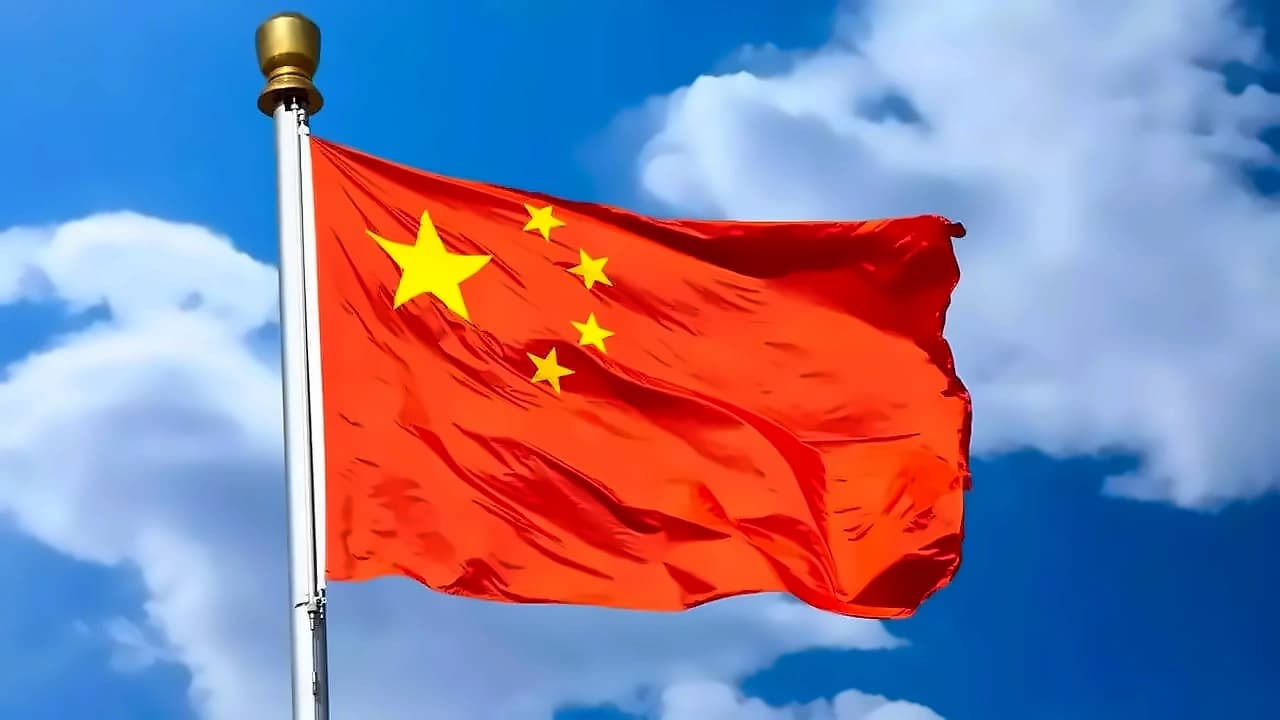
President Trump has significantly escalated his economic pressure campaign, considering raising China's tariff rate to 20% when combined with the existing 12.5% tariff under Section 301 of trade law. According to the Wall Street Journal, this would represent a substantial increase from the previously proposed 7.5% tariff on Chinese imports. The administration has also expanded Iran sanctions through Operation Economic Outcast, targeting third countries doing business with Iran in areas of digital assets, technology, gold, aviation and shipping. Treasury Secretary Scott Bessent announced the launch of this operation, vowing to block every option available to the Iranian regime and designating more than 60 new sanctions targets including individuals, entities and vessels that supported nuclear and missile technology, cyber operations and crude oil revenue.
China's economy is experiencing another slowdown, but Beijing is maintaining its commitment to 'just enough' policy rather than returning to the old stimulus approach. According to reports from China Daily, the Communist Party's official newspaper under the pen name Zhong Caiwen, policymakers are emphasizing quality growth, technological innovation, and industrial upgrading over traditional stimulus measures. First-half growth of 4.7% has been described as hard-won and broadly consistent with China's 4.5%–5% full-year target, with officials urging investors to focus on economic resilience rather than monthly or quarterly weakness. The proposed tariff would emerge from a Section 301 investigation launched under the Trade Act of 1974, allowing the president to impose penalties on countries found to be engaging in discriminatory or unfair practices affecting American commerce.
The copper market is experiencing significant volatility as U.S. Commerce Department prepares to report on copper markets by June 30, 2026, allowing President Trump to decide whether to impose 15% tariffs from January 1, 2027, rising to 30% from 2028. According to Macquarie strategist Alice Fox, the U.S. imported almost 885,000 tons of refined copper cathodes in the first half of 2026, representing a 3% increase from the same period last year and more than double imports in the first six months of 2024. The U.S. imported a record 1.64 million tons in the full year of 2025, with refined copper ultimately receiving an exemption from tariffs last year, which initially sent prices plummeting. Macquarie sees greater downside risks for copper, but prices would 'massively spike' if Trump proceeds with tariffs, while Glencore CEO Gary Nagle believes any tariff announcement would likely see prices fall due to better market clarity.
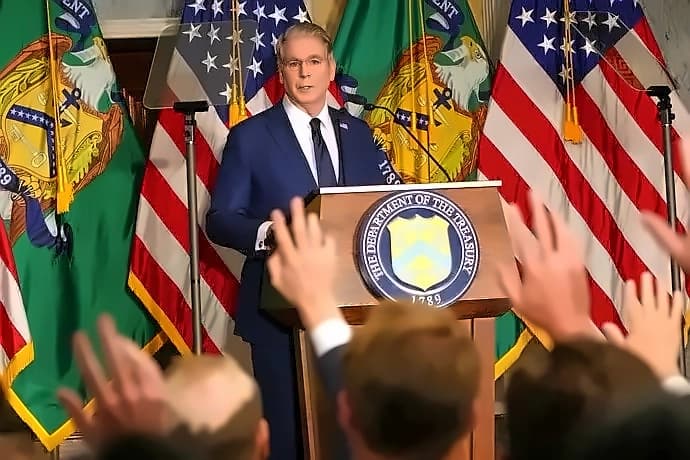
The Iran conflict is creating significant political challenges for the Trump administration, with recent Reuters/Ipsos polling showing only 31% of Americans approve of military strikes while 63% disapprove. According to the polling, roughly 83% of respondents now expect the war to continue for an extended period, marking politically toxic territory. The economic isolation campaign has intensified with U.S. Treasury Secretary Scott Bessent announcing Monday that Washington would widen secondary sanctions against countries, banks and companies continuing to do business with Iran. Bessent described the measures as the most extensive U.S. financial offensive ever mounted against an adversary, warning that banks and businesses helping Iran maintain access to international markets could share in Tehran's financial isolation. China, Iran's largest trading partner and biggest buyer of Iranian oil, is an obvious target even though Bessent did not initially identify individual countries that would be penalized.
The conflict with Canada represents a significant escalation in trade tensions, with President Trump declaring he would raise tariffs on Canadian automobiles, trucks, parts and steel to 50% starting January 1, 2027. As reported by the Wall Street Journal, with Canada's annual auto and parts exports to the U.S. at $50 billion, a 50% tariff amounts to imposing $25 billion in taxes on U.S. industry and consumers. This development is expected to weigh heavily on U.S. automakers that have invested in an integrated North American supply chain, creating additional pressure beyond the existing China tariff considerations.