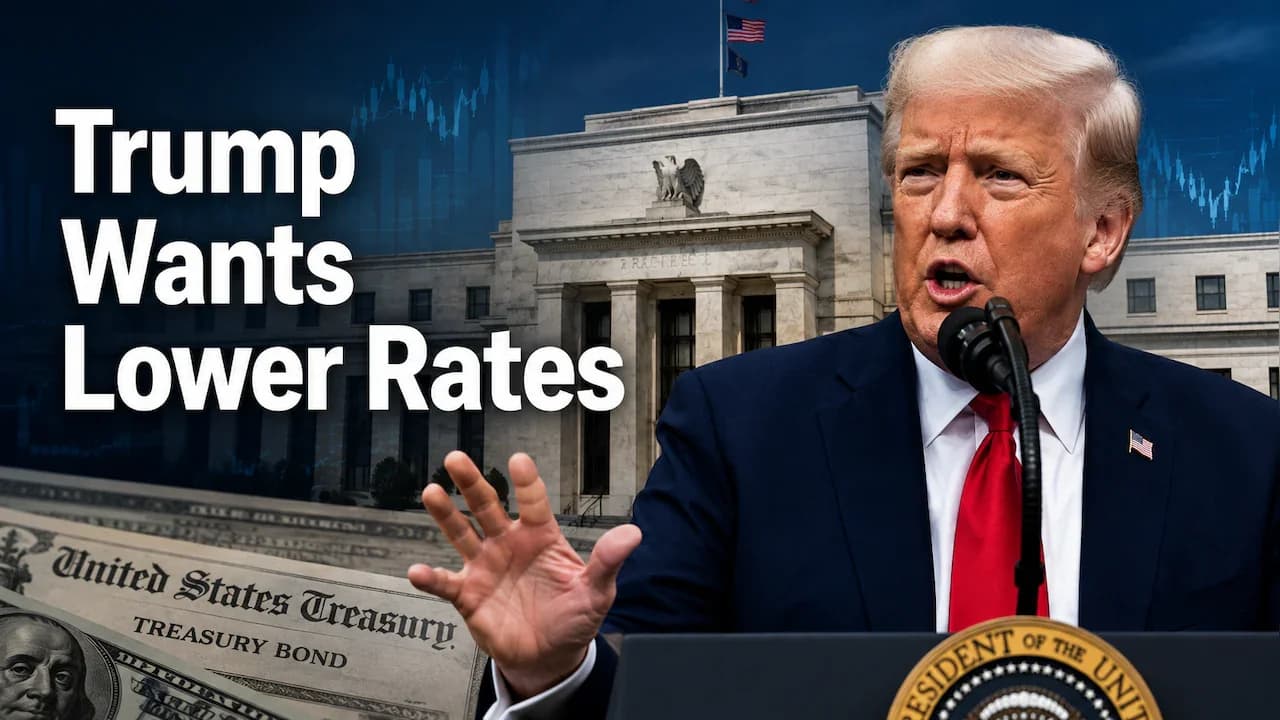
The Trump administration has refunded $100 billion in tariffs as of the end of July, representing approximately 60% of the balance owed following the Supreme Court's strike down of tariffs imposed under the International Emergency Economic Powers Act (IEEPA). According to recent court filings, the administration collected $166 billion in tariffs that must now be repaid to importers. By July 31, the Consolidated Administration and Processing of Entries (CAPE) system had received 252,496 tariff refund requests, with nearly $129 billion accepted for processing. Businesses have 80 days from their import entry's liquidation date to file for tariff refunds, with Customs and Border Protection projecting refunds within 60 to 90 days after accepting claims.
According to reports from The Wall Street Journal, more than 40 S&P 500 companies have reported roughly ₹7,700 crore ($9.6 billion) in tariff refunds. Apple leads with nearly ₹1,800 crore ($2.2 billion), followed by Nike at ₹800 crore ($986 million), FedEx at about ₹640 crore ($800 million), Amazon at ₹500 crore ($640 million), and General Motors at ₹400 crore ($500 million). The timing is particularly significant as it counters the Federal Reserve's recent warning about continued tariff pass-through effects. In July, the New York Fed published More Tariff Pass-Through Is in the Pipeline, finding that 47% of service firms and 44% of manufacturers still plan to raise prices further. About a third of those service firms and closer to 40% of manufacturers intend to move within six months. Wednesday's CPI data backed up these concerns, with core goods rising 0.2% in July after three flat-to-negative months, including motor vehicle parts up 0.6%.
While the Trump administration refunds tariffs to importers, consumers may not directly benefit unless they received imported items through UPS or FedEx. The Tax Foundation estimated that IEEPA tariffs cost average American households $700 in 2025, with average households paying approximately $1,000 in all tariffs combined. Some retailers have pledged to pass refunds along to customers, with Walmart owed approximately ₹2,000 crore ($2.4 billion) in tariff refunds and suggesting it may use the money to lower prices for shoppers. Costco chief executive Ron Vachris stated the company plans to pass refunds along "in some form," while Amazon indicated it plans to "proactively contact" customers who paid higher prices and "automatically issue refunds to them." However, the retailer indicated it had absorbed most of the tariff costs rather than passing them on to customers. FedEx has started cutting checks to shippers this month, with several companies already spending refunds on price reductions.
According to the New York Fed's Quarterly Report on Household Debt and Credit for the second quarter, total household debt fell ₹1,30,000 crore ($13 billion) to ₹1,60,000 crore ($18.771 trillion), marking a rare quarterly decline. As reported by The Wall Street Journal, debt now equals 79.4% of disposable income, the lowest reading since 2003 outside stimulus quarters, compared to above 110% before the 2008 crisis. The share of balances flowing into serious delinquency improved to 2.57% from 2.91% a year ago, with student loans dropping significantly from 12.88% to 7.83% as the 2025 forbearance-exit distortion washes out of data. Fresh delinquencies sit at 1.7% of balances, close to pre-pandemic lows, with foreclosures totaling 55,160, below 2019 levels. Joelle Scally of the New York Fed noted that "delinquency rates across most products have held steady over the past two years."
The combination of tariff refunds and stable consumer debt trends suggests potential moderation in the Fed's inflation outlook beyond current tariff pass-through effects. However, the Trump administration has since implemented another round of global tariffs under Section 301 of the Trade Act of 1974, with small businesses and 25 states challenging these new measures. While the Supreme Court struck down the 2025 IEEPA tariffs, the new Section 301 duties remain in force, and the Treasury intends to backfill under Section 122, meaning the tariff relief may be temporary. The data refutes the "consumer-is-cracking" narrative, with households carrying less debt relative to income than at any point in the past twenty years, though the timing of tariff refunds and their ultimate impact on consumer prices remains uncertain. As noted by The Wall Street Journal, tariff refunds are worth approximately a tenth of a point on headline CPI, but they still provide reason to believe the Fed's pipeline drains slower than its survey implies.