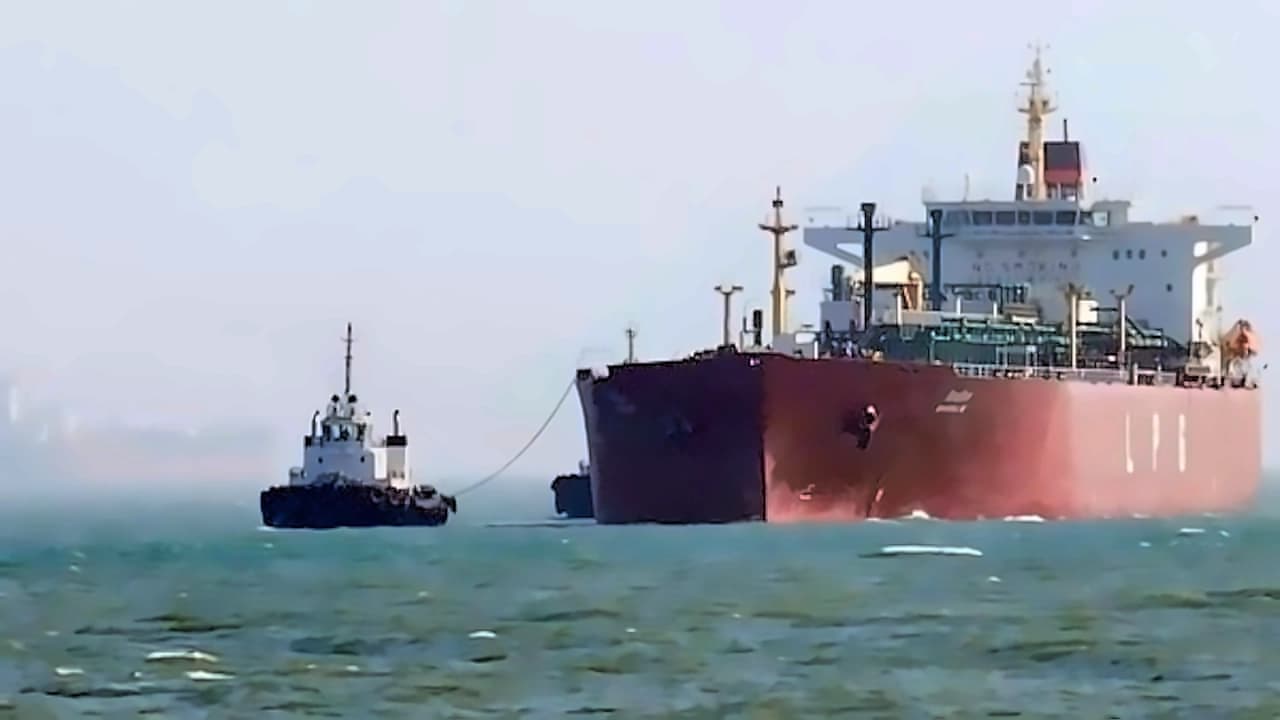
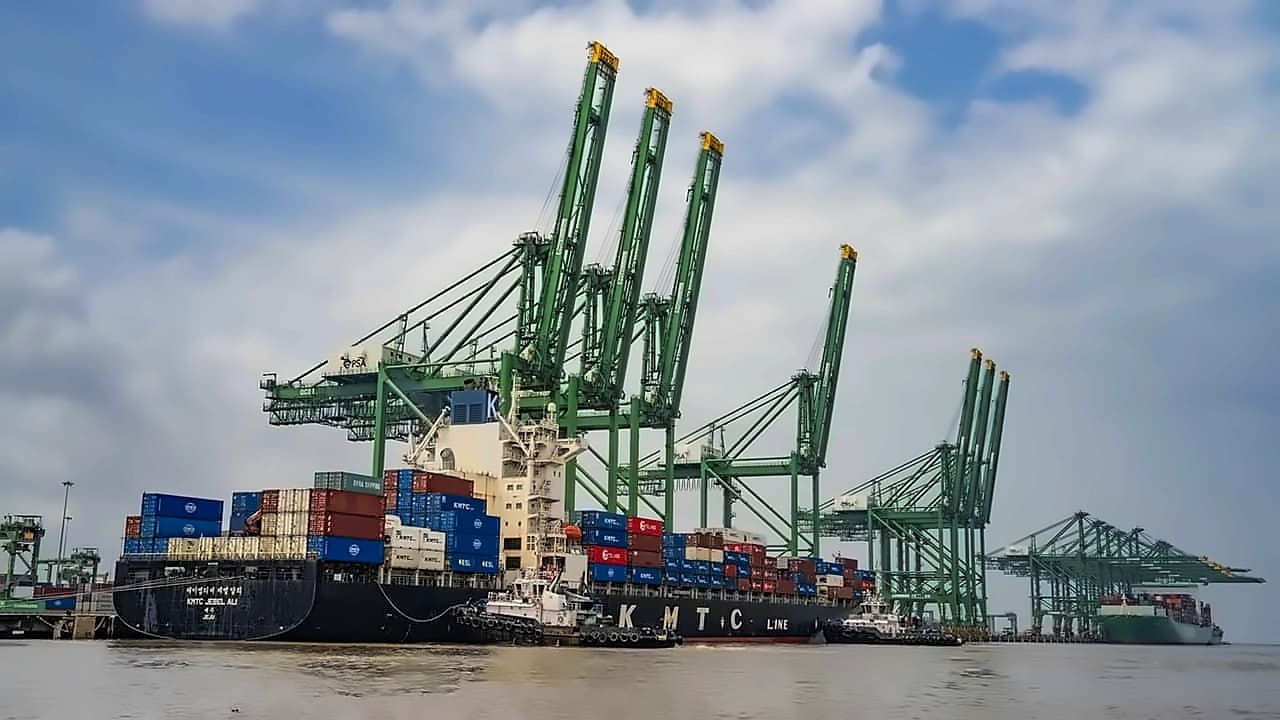
Iran has officially confirmed that the Strait of Hormuz will reopen under new conditions to be determined by Iranian and Omani authorities, including transit fees for shipping services. According to Reuters, Iran's ambassador to Moscow Kazem Jalali told the Russian newspaper Izvestia that 'of course, this strait will be open, but with new conditions to be determined by the Iranian and Omani authorities.' The ambassador explained that 'We understand that Iran and Oman provide certain services related to this strait. And fees will be charged for those services' without elaborating on the specific fee structure. This development comes after US President Donald Trump confirmed that the strait would reopen immediately upon signing a memorandum of understanding with Iran, marking a significant escalation in reopening efforts. The remarks come as oil flows through the Strait of Hormuz remain severely disrupted after US-Israel launched joint strikes on Iran.
Trump appeared to allude to a covert route that some ships have taken along the Omani coast, with the assistance of the US military if needed. 'It'll happen very quickly and we'll take the southern route anyway,' the president said, referencing the quiet arrangement previously reported by Bloomberg News. The effective closing of the Strait of Hormuz, touched off by the US and Israel's assault on Iran in late February, has set in motion a global energy crisis. The waterway, which typically carries about a fifth of worldwide energy flows, has become one of Trump's top objectives in his attempt to secure a peace agreement with Tehran.
Trump is actively calling on allied nations and friends to support the reopening efforts, with Johnson specifically mentioning Arab states in the region, NATO partners, and everyone else as potential allies. According to Business Standard, Johnson noted that the president is 'calling on our allied nations and friends' to help facilitate the reopening. This diplomatic approach represents a significant shift from Trump's previous commitment to reopen the strait 'immediately upon signing' a memorandum of understanding with Iran, suggesting a broader multilateral approach to resolving the maritime crisis.
Iran has asserted that a permanent peace deal should allow it to demand fees for ships passing through the strait, which would vary depending upon the type of ship, its cargo and prevailing conditions. As reported by Reuters, this position is vehemently opposed by US President Donald Trump. In late May, the US warned Oman not to get involved in any effort with Iran to impose a toll, with Treasury Secretary Scott Bessent stating that Oman's ambassador had told him there were no plans to impose such tolls. The US-Israeli war on Iran has largely cut oil flows via the strait, with several tankers managing to leave the Gulf recently but oil and liquefied natural gas flows still severely constrained. This marks the second time Tehran has tied Hormuz passage to payment, following Iran's April announcement that it would charge oil tankers transit tolls in cryptocurrency, with Hamid Hosseini of Iran's Oil, Gas and Petrochemical Products Exporters' Union naming Bitcoin (BTC) as a payment method.
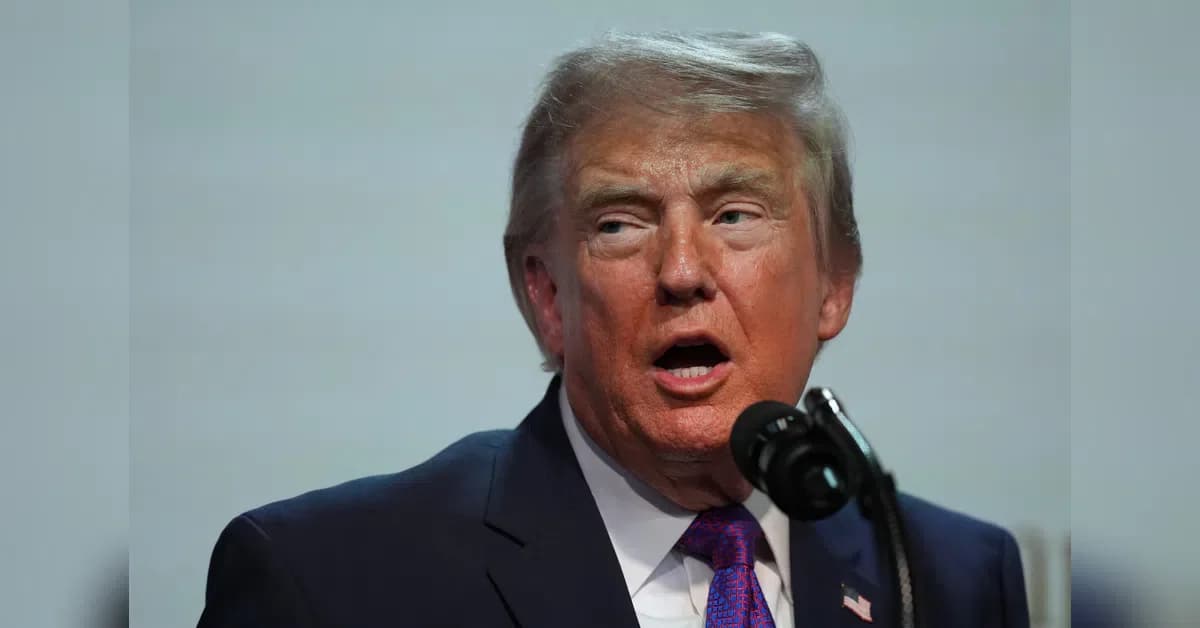
The Hormuz closure has created significant disruptions across global energy markets, with Brent crude trading near $97 per barrel on Monday following Israel's strikes on Lebanon and explosions in Iranian cities. According to The Kobeissi Letter, spot rates for a 40-foot container from Asia to the US West Coast rose 20% in a week, reaching $3,933 - the highest in months. Charges to Northern Europe jumped 27% to $3,649, while Asia-to-US container rates have surged +109% and Asia-to-Europe rates are up by more than +50% since the Iran War began. The disruption has kept energy prices elevated as oil and liquefied natural gas flows remain severely constrained, with analysts expecting continued pressure as importers restock inventories in July and August.