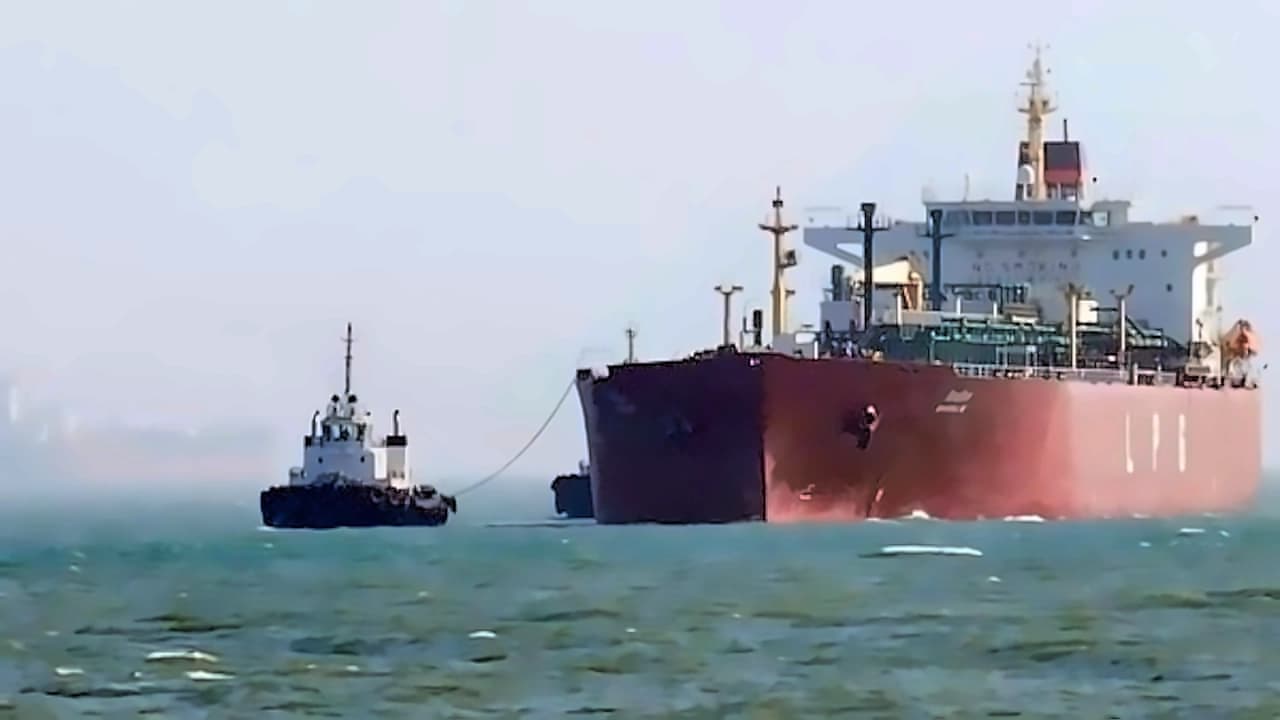
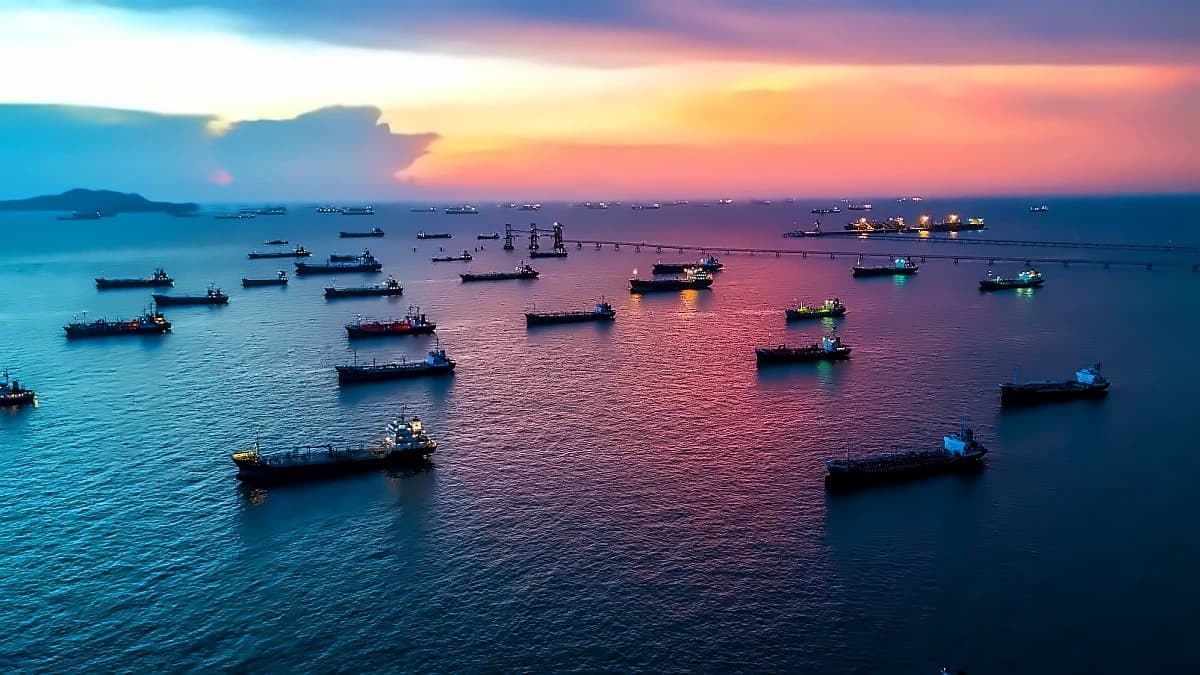
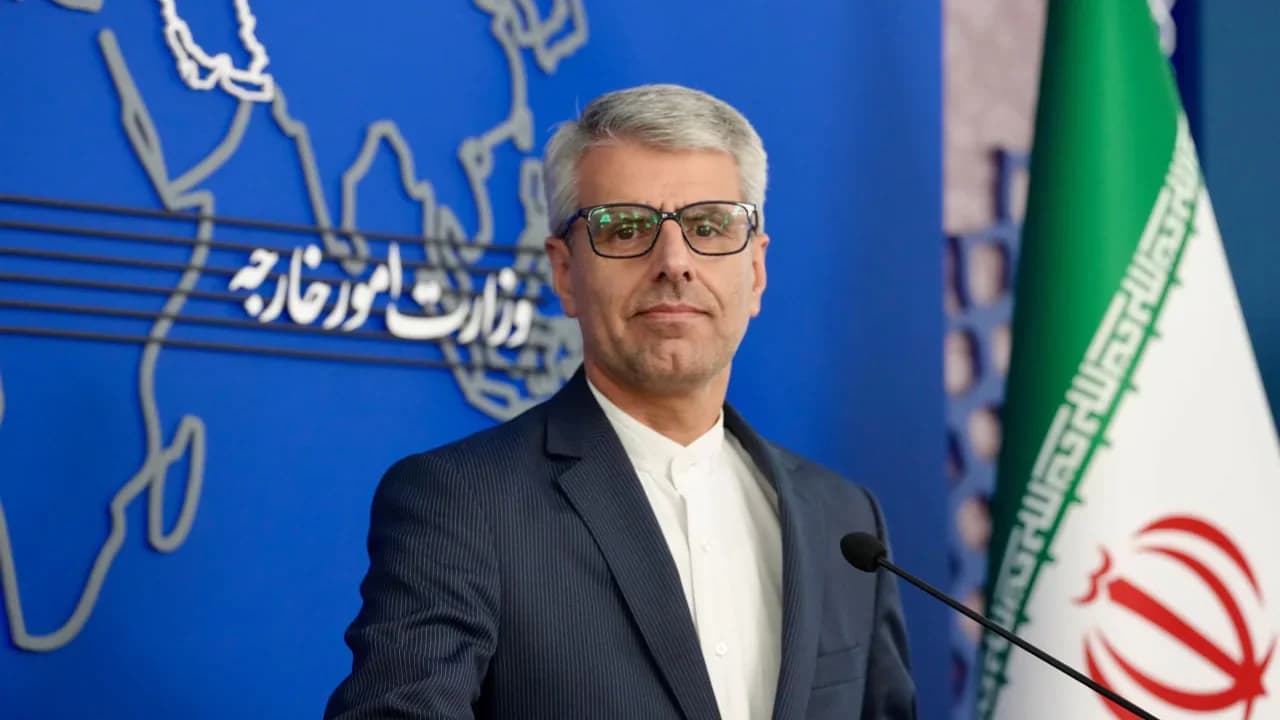
Iran has confirmed it will introduce new maritime service fees for commercial vessels transiting the Strait of Hormuz after a 60-day toll-free period, according to Iranian officials. As reported by NDTV, Iranian Ambassador to China Abdolreza Rahmani Fazli explained that these new arrangements will concern guaranteeing the security of passage through the Strait of Hormuz, supervision of vessel passage, and dealing with environmental consequences of massive ship traffic. Speaking at the World Peace Forum in Beijing, Ambassador Fazli emphasized that as a country where the Hormuz is part of its territorial waters, "we will definitely charge service fees." The framework agreement, scheduled to be signed on Friday in Switzerland, reopens the strait to shipping without tolls, lifts the US naval blockade of Iranian ports and allows Tehran to resume oil exports under limited sanctions relief. The deal extends the current ceasefire for at least 60 days while launching broader talks on Iran's nuclear program.
Iran has indicated it will offer favourable terms to nations maintaining friendly relations with Tehran, according to the Iranian ambassador's statements. According to NDTV, Rahmani Fazli stated that special treatment will be considered for countries that were friendly to Iran and especially stood by Tehran during difficult times. The ambassador told the World Peace Forum that "we will definitely consider special treatment for the countries that were friendly to us and specially stood by us during the hard times." He revealed that Iran is working in "collaboration and cooperation" with Oman on these new arrangements, suggesting a coordinated approach to managing the strategic waterway. Recent reports indicate that Iranian Deputy Foreign Minister Kazem Gharibabadi issued a "serious warning" to France and the U.K. after the two countries promised to assist Oman in ensuring safe navigation through the Strait of Hormuz, emphasizing that "Iran, as the responsible power and guarantor of the Strait's security, warns with sensitivity to any military movement in this waterway."
The announcement has drawn strong opposition from the United States, which maintains that the Strait of Hormuz is an international maritime passage that must remain open and free from unilateral restrictions or fees. As reported by NDTV, US officials have rejected Iran's interpretation of the arrangement, warning that any attempt to impose mandatory charges could violate international norms on freedom of navigation. The US has opposed the move, warning it could threaten free navigation and global energy flows. The United Kingdom and France have reaffirmed their shared commitment to regional stability and their willingness to maintain close cooperation with partners to uphold global security, freedom of navigation and international law. France and the U.K. said they plan to work with Oman to keep the Strait of Hormuz safe for transit for all vessels, according to a joint statement between the two European powers. Recent developments show that Iranian officials expect some 15-20 million mourners to join the events for the slain supreme leader, which would make it the biggest state funeral in Iran's history, with ceremonies spanning six days across Tehran, Qom, Mashhad, and Iraqi cities.
The reopening faces significant operational challenges that could persist for months despite the framework agreement. According to Reuters, Greek maritime risk management agency MARISKS warned that the framework agreement should be viewed as "the beginning of a de-escalation process rather than the immediate restoration of normal trading conditions." Most naval mines deployed during the conflict can be located using minesweepers, underwater drones and sonar, but some may have drifted or become hard to find. Maritime security sources estimate the mine-clearing process could take 40 to 50 days, with independent observers then needing to verify the waterway is safe for shipping. Jakob Larsen, chief safety and security officer at shipping association BIMCO, told Reuters that Hormuz transits right now would be "very risky" and called for "mine-free routes" to be established. Even after mines are cleared, shipping firms will require much lower war-risk insurance costs before confidence is restored. Currently, premiums remain extremely high at 1% to 4% of a vessel's value per transit, compared with prewar rates below 0.1%, adding between $2 million and $8 million per transit for a typical $200-million tanker, compared with less than $200,000 before the war.
The Strait of Hormuz remains one of the world's most strategically sensitive chokepoints, carrying around one-fifth of global oil and liquefied natural gas shipments. According to NDTV, any disruption or additional costs could significantly impact global energy prices, shipping routes, and supply chains. During the Middle East war, the strait was all but closed by Iran, sending energy prices soaring. Following a preliminary deal with the US to end the Middle East war, Iran lifted its Strait of Hormuz blockade, with ongoing negotiations aiming to secure a permanent conflict settlement while discussions continue over freedom of navigation through the strategic waterway. Ship traffic in the strait remains far below pre-war levels, with at least 258 ships transiting the waterway last week, up from 138 ships the previous week, but still significantly below the 130 vessels that passed through daily before the war. The current negotiations have been paused for at least a week for the funeral of Ayatollah Ali Khamenei, with the memorandum of understanding signed on June 17 giving both sides "to negotiating and achieving the final deal" to formally end the war in a "maximum 60 days, extendable with mutual consent."