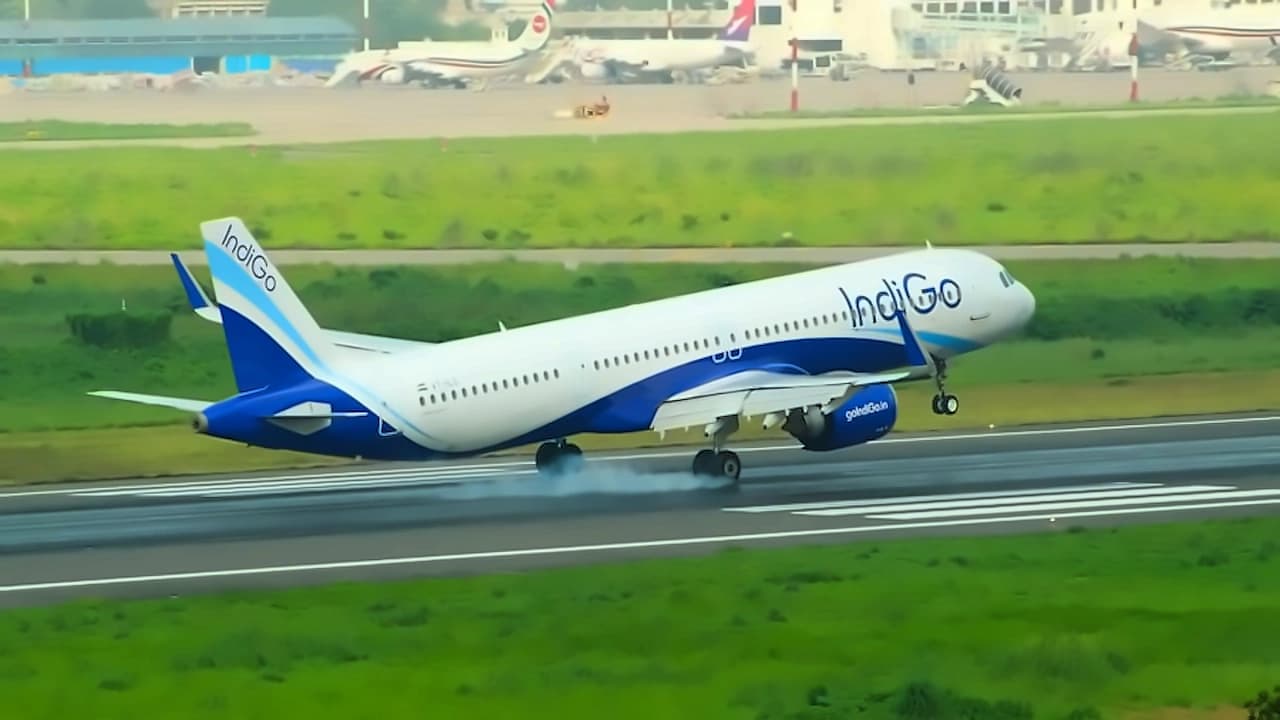
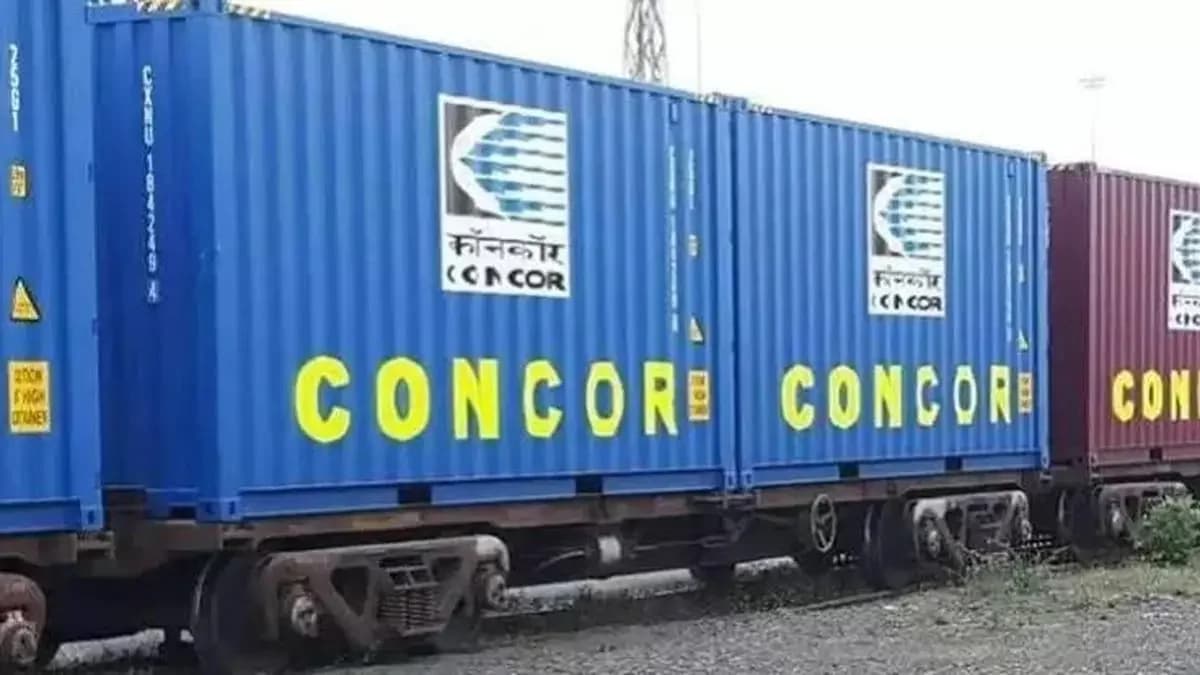
Asian stock markets experienced significant gains on Monday following President Trump's announcement that the Strait of Hormuz will reopen after the US-Iran peace deal. According to reports from Moneycontrol, Shipping Corporation of India led the rally, rising 4.61% to ₹310.75, while The Great Eastern Shipping Company advanced 3.95% to ₹1,444. Sadhav Shipping climbed 3.65% to ₹124.90, and Essar Shipping gained 2.36% to ₹24.25. Offshore services provider Seamec added 1.67% to ₹1,609.90. The rally gained momentum after LNG tanker Disha, chartered by Petronet LNG, successfully transited through the Strait of Hormuz heading east to exit the Persian Gulf, as reported by Bloomberg. The vessel, carrying Qatari liquefied natural gas cargo, had been previously stranded in the Gulf for over three months. Latest reports indicate that oil tankers are beginning to resume movements through the Strait of Hormuz, with Trump confirming that ships are moving along the Southern 'Highway' which he described as 'totally safe, secure, and pristine'.
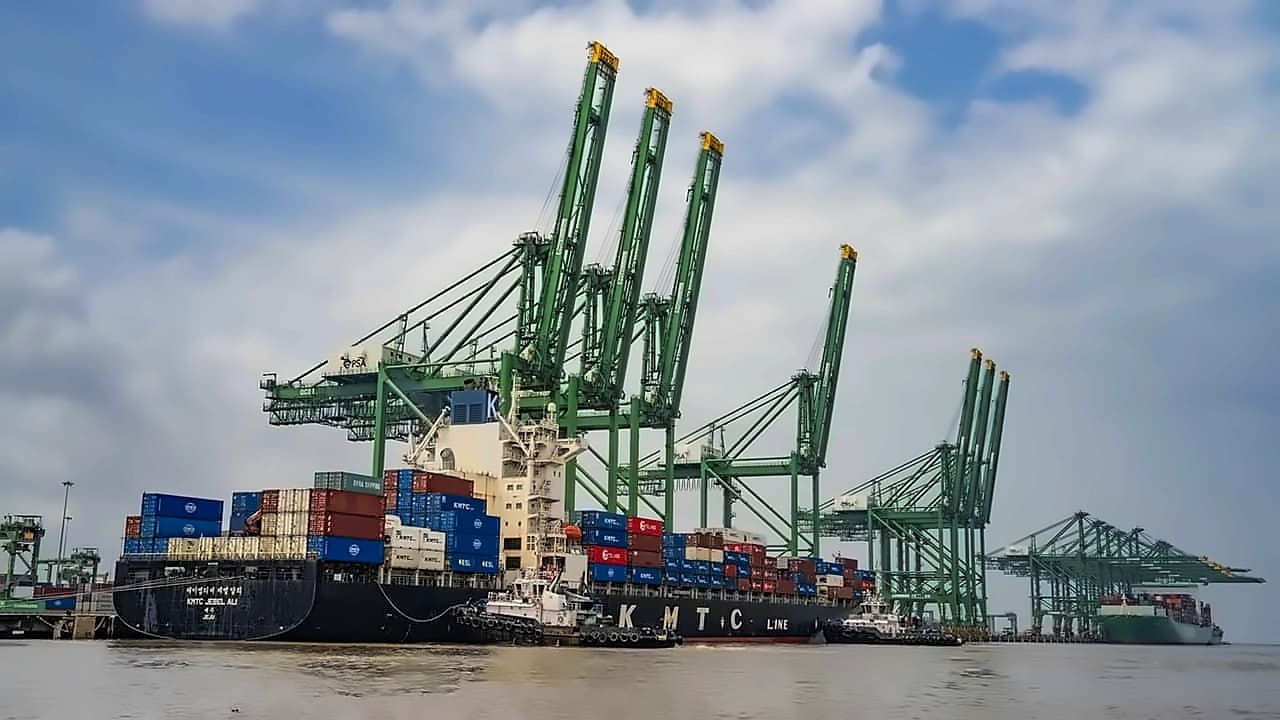
Maritime security officials have revealed that 40-50 days of intensive mine-hunting operations will be required to secure the Strait of Hormuz following the US-Iran peace agreement. According to evaluations from five Western maritime security sources reported by Reuters, the operation using traditional minesweepers and cutting-edge underwater drones may take more than a month before many insurance, shipping, or oil corporations are confident enough to sail through. Jakob Larsen, chief safety and security officer at the maritime association BIMCO, stated that "We still consider it very risky for ships to begin transits at this point." The Strait of Hormuz, which typically handles about one-fifth of global oil and gas supplies, was shut after United States and Israel attacked Iran, but President Trump confirmed the waterway will reopen following the peace accord between US and Iran. However, Trump warned it may take months for oil prices to stabilise after the disruptions caused them to surge.
The tentative peace deal triggered a sharp decline in oil prices, with oil prices falling more than $4 a barrel as reported by Bloomberg. In early trading Monday, Brent crude oil fell $3.61 to $83.64 per barrel, while US benchmark crude lost $4.27 to $80.61 per barrel. The broader Asian markets rallied significantly on expectations that easing geopolitical tensions will support global trade and economic activity. As of Monday's trading, benchmarks in Tokyo and Seoul initially gained more than 5% early Monday, demonstrating the market's positive response to the potential end of the Iran war. The formal signing ceremony is scheduled for Friday in Switzerland, with key mediator Pakistan confirming the deal will provide a way to end the war that killed thousands across the Middle East and sparked a historic energy crisis. According to a U.S. Energy Information Administration estimate, inventories in the world's top economies are on the verge of reaching their lowest levels since at least 2003, making every barrel exported from the Gulf vital.
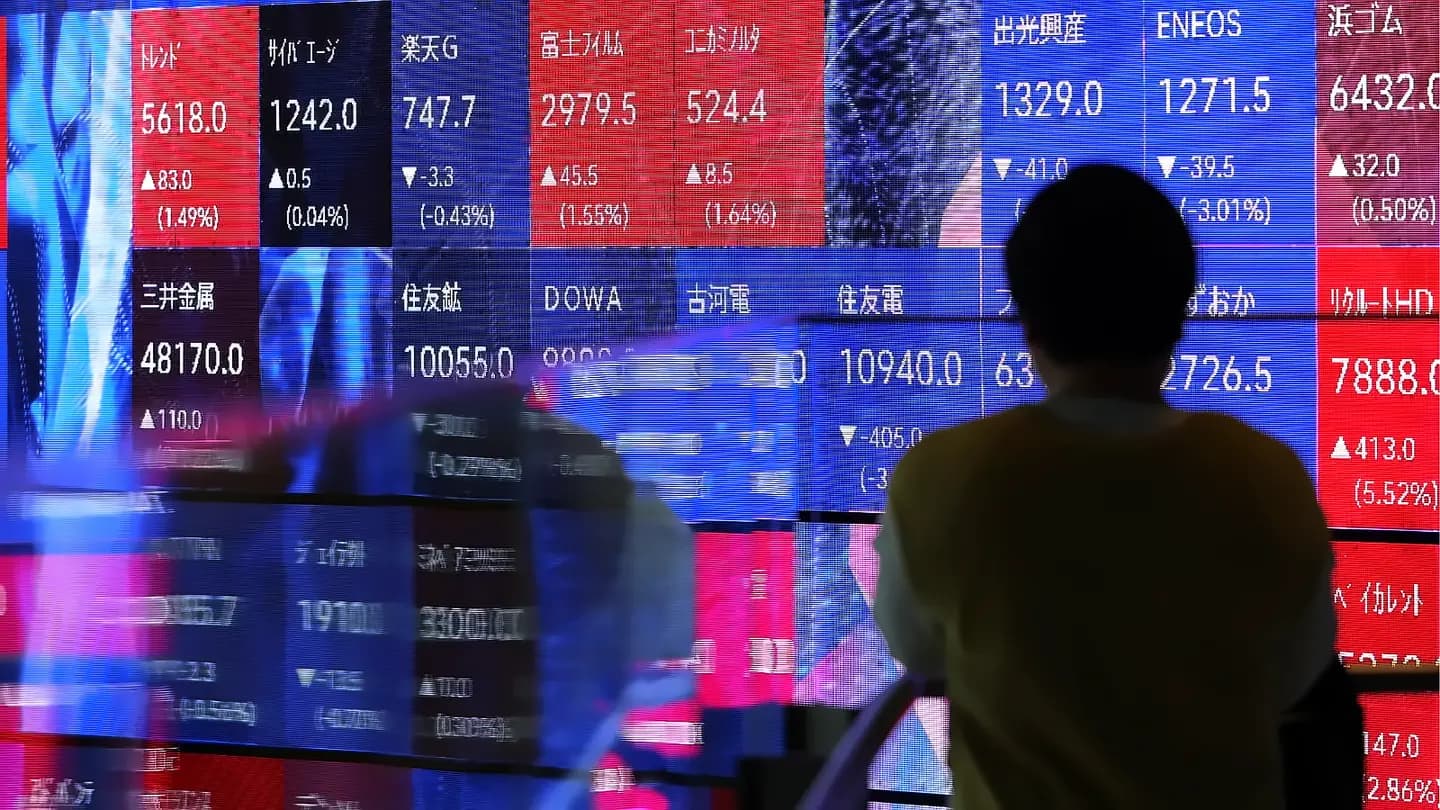
The deal on ending the war offers relief to the global economy more than three months since fighting began. As reported by Associated Press, Tokyo's Nikkei 225 gained 5.4% to 69,603.91 as the benchmark logged another record high, with buying heaviest for technology shares, especially those related to artificial intelligence. The Kospi in Seoul surged 4.9% to 8,517.93, while Hong Kong's Hang Seng gained 0.6% to 24,867.94. Stock futures climbed Sunday evening with futures tied to the S&P 500 up about 1%, while those tied to tech-focused Nasdaq 100 and smallcap Russell 2000 were up even more. The end of the conflict and reopening of the Strait of Hormuz should come as relief to many consumers and investors, after an energy shock that's driven up prices and weighed on global economic activity. Energy experts noted that while the reopening of Hormuz provides relief, it may take months for oil prices to stabilize after the disruptions caused them to surge.