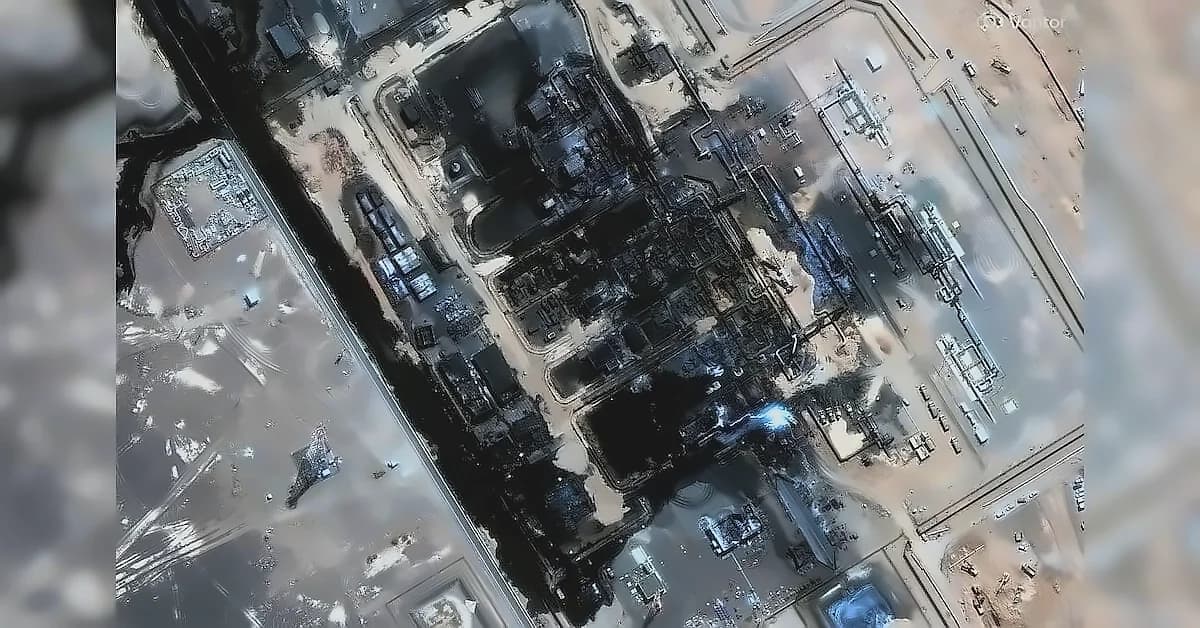
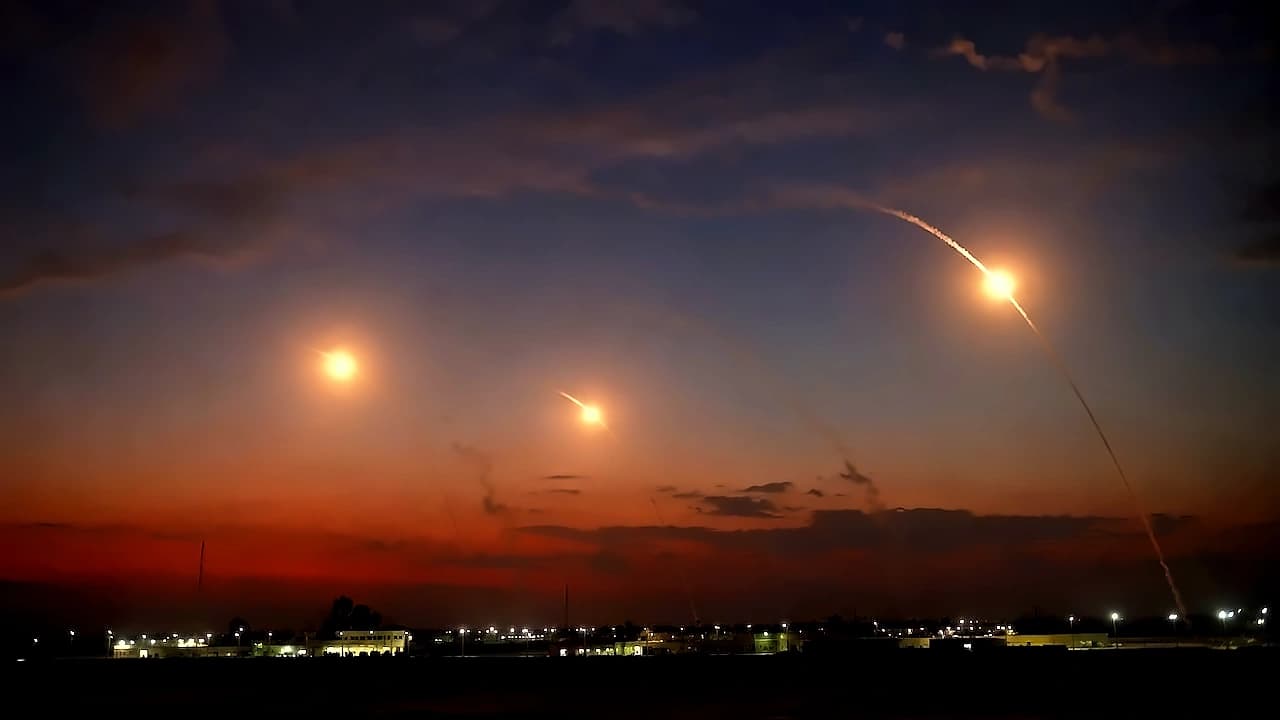
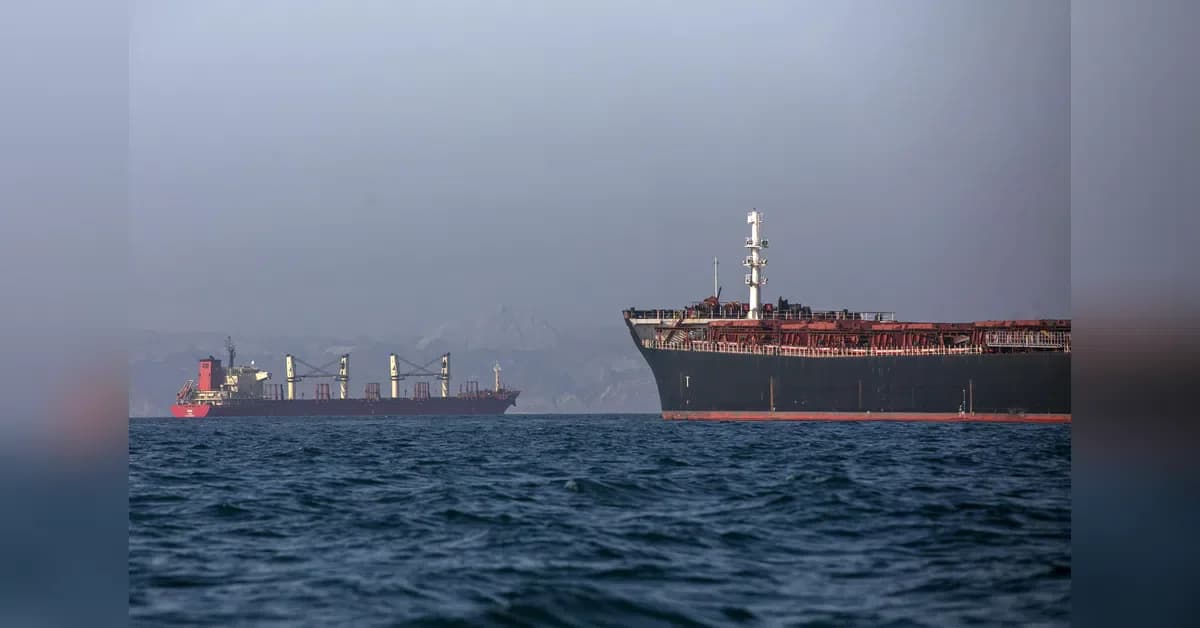
President Trump and his military commanders faced a significant setback when Saudi Arabia refused to allow US forces to use its airspace for Project Freedom, a mission to guide commercial ships through the Strait of Hormuz. According to reports from Business Standard, the Trump administration was forced to shut down Project Freedom less than 48 hours after it began due to Saudi opposition. The crisis triggered urgent phone calls between Washington and Crown Prince Mohammed bin Salman, with Trump speaking with the prince on May 4, May 5, and May 6 during the operation's first days. The Saudis feared that allowing US airspace access could reignite war and expose them to greater Iranian retaliation. As reported by The New York Times, Crown Prince Mohammed stood his ground, fearing that America's plan could reignite war and that the kingdom would face even harsher Iranian attacks if they allowed US military access.
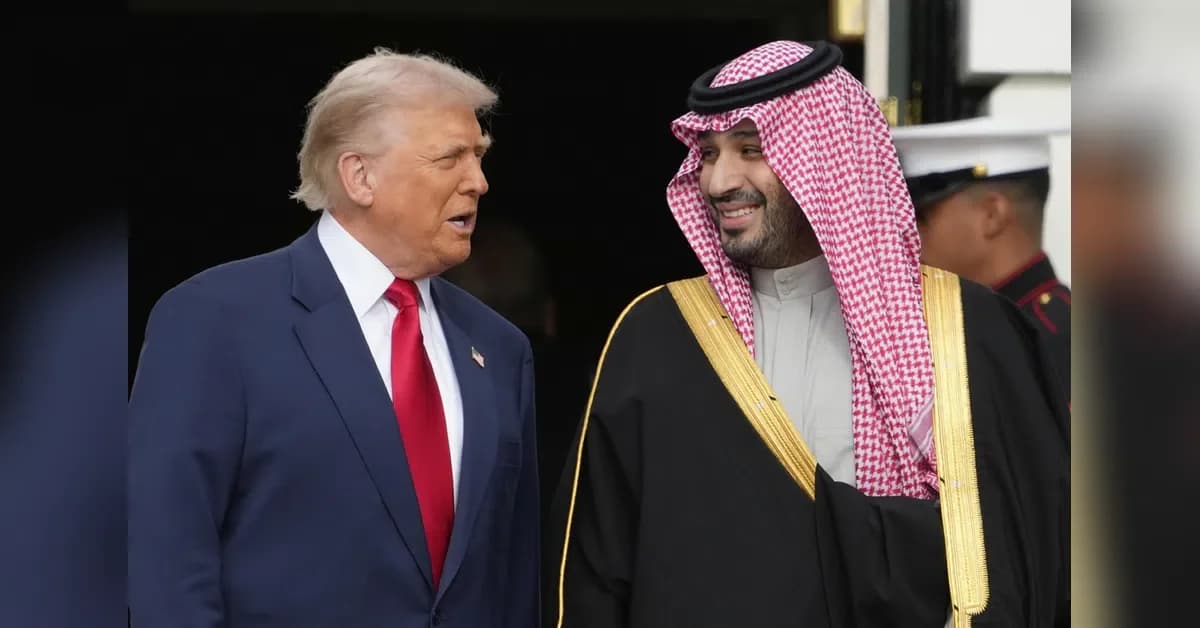
Saudi Arabia maintained a complex position throughout the Iran war, providing military and diplomatic support to the United States while opposing Trump at critical moments. As reported by The New York Times, Crown Prince Mohammed initially urged Trump to continue fighting to destroy the Iranian government, but later pushed for a settlement as Iranian power persisted. The kingdom launched secret retaliatory attacks against Iran alongside the UAE during the conflict, though Prince Mohammed was not as enthusiastic about escalation as the UAE leader, according to current and former US officials. The kingdom's approach was more cautious than the UAE's, with Prince Mohammed showing less enthusiasm for escalation than his Emirati counterpart. Saudi Arabia also maintained diplomatic channels with Iran through Qatar and Oman, acting as intermediaries between the US and Iran.
The war has fundamentally altered Saudi Arabia's approach to regional security and US partnership. According to The New York Times, the kingdom is veering away from American priorities and moving to strengthen ties with Pakistan and China, which helped broker the 2023 diplomatic opening between Saudi Arabia and Iran. Saudi officials are now speaking directly with Iranian counterparts about Iran's control of the strait, missile arsenal, and regional militias. The preliminary ceasefire agreement recognizes Iran's control over the strait and allows for future tolls or fees, though it says nothing about Iran's ballistic missiles or militia support. Saudi Arabia has not committed funds to Iran's rebuilding efforts called for in the agreement, and the kingdom continues to carry out its own initiatives, veering away from US priorities.
Despite the ceasefire, fundamental issues remain unresolved, with the agreement saying nothing about Iran's ballistic missiles and militia support. As reported by The New York Times, the preliminary document allows Iran and Oman to agree on strait administration methods, which could include charging tolls or fees in the long term. The agreement's success in resolving the nuclear issue remains uncertain, given Trump's 2018 withdrawal from the Obama-era deal that Iran had been abiding by. Saudi Foreign Minister Prince Faisal bin Farhan praised the memorandum of understanding while adopting a wait-and-see approach on agreement outcomes. The Saudis have become increasingly skeptical of Trump's reliability, with one scholar noting that "We start a big fight, then get bored and walk away."