Saudi Crown Prince Mohammed bin Salman raised concerns about potential US escalation of the Iran conflict during a phone call with President Donald Trump on Saturday, according to a person familiar with the leaders' discussion. The crown prince sought clarity from Trump on what potential new action he's weighing to take against Iran, as reported by Axios. The discussion comes as Trump weighs whether to carry out new strikes on Iran following the recent escalation in hostilities. Saudi Arabia earlier this week joined the US in striking multiple logistics and weapons sites used by Iranian-backed militias in Iraq, but has been urging both the US and Iran to return to negotiating table to find an endgame to the five-month-old conflict. The crown prince also dispatched his brother, Saudi Defence Minister Khalid bin Salman, to Washington earlier this week for separate meetings with Trump and Vice President J D Vance to discuss Iran strategy.
The Saudis have expressed concern that if the US targets Iran's energy infrastructure or carries out massive strikes on other key infrastructure, Tehran could respond by carrying out attacks on the kingdom's and other Gulf countries' energy infrastructure, according to a person briefed on the substance of the call but not authorized to comment publicly. This concern reflects the interconnected nature of regional energy infrastructure and the potential for retaliatory strikes that could impact multiple countries simultaneously. The White House did not immediately respond to requests for comment about Saturday's call, leaving the specific details of the discussion unconfirmed by official sources.
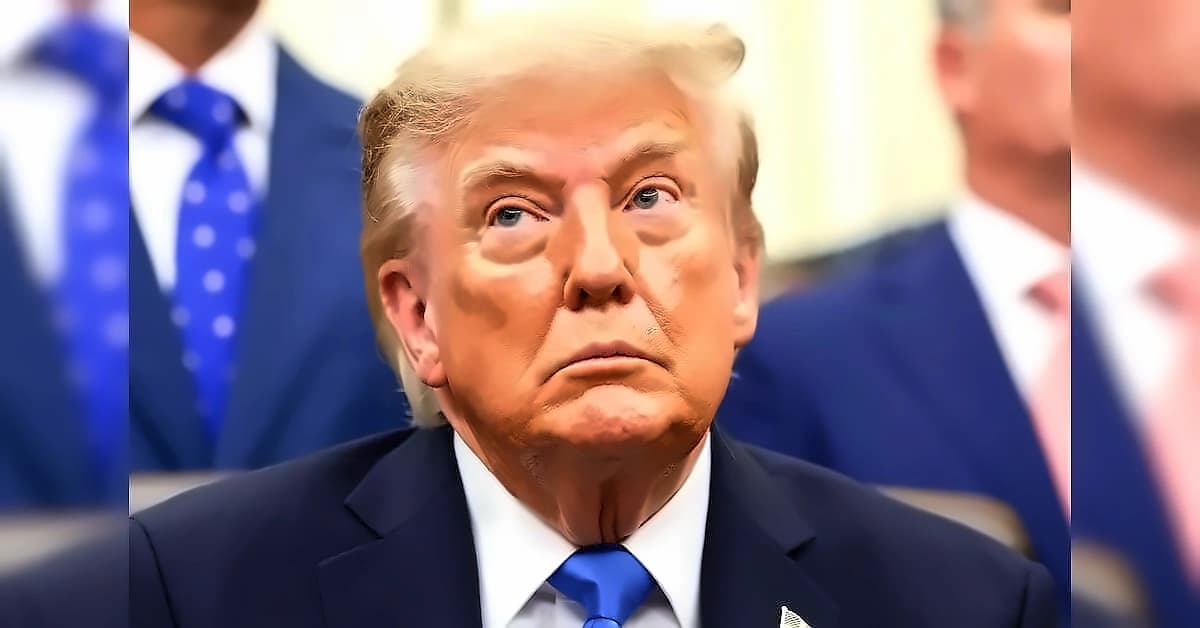
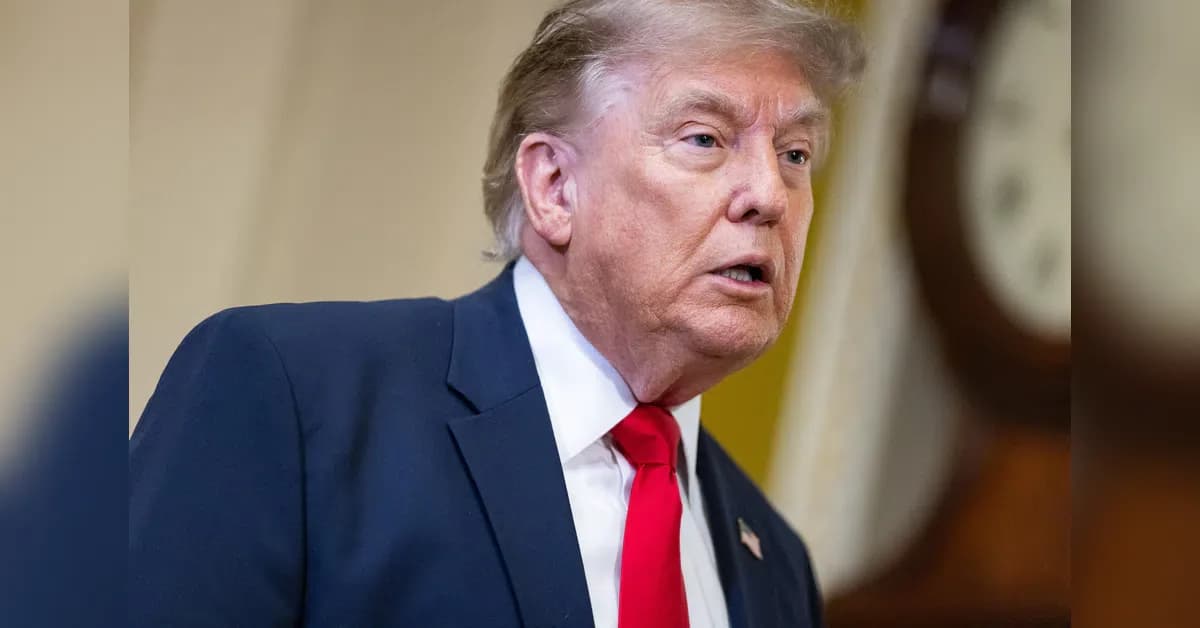
President Donald Trump has ordered the US military to carry out a new attack on Iran as soon as this weekend, according to The Wall Street Journal report Friday. The strikes are intended to convince Tehran to surrender, citing unnamed US officials. Trump reinforced his commitment during a Cabinet meeting Friday, telling reporters, 'We'll be hitting them very hard. And at some point they'll say we just can't take it anymore.' The president had earlier told reporters during a meeting at the Camp David presidential retreat in Maryland that he was 'losing faith in them because they do lie and do, they do misrepresent.'
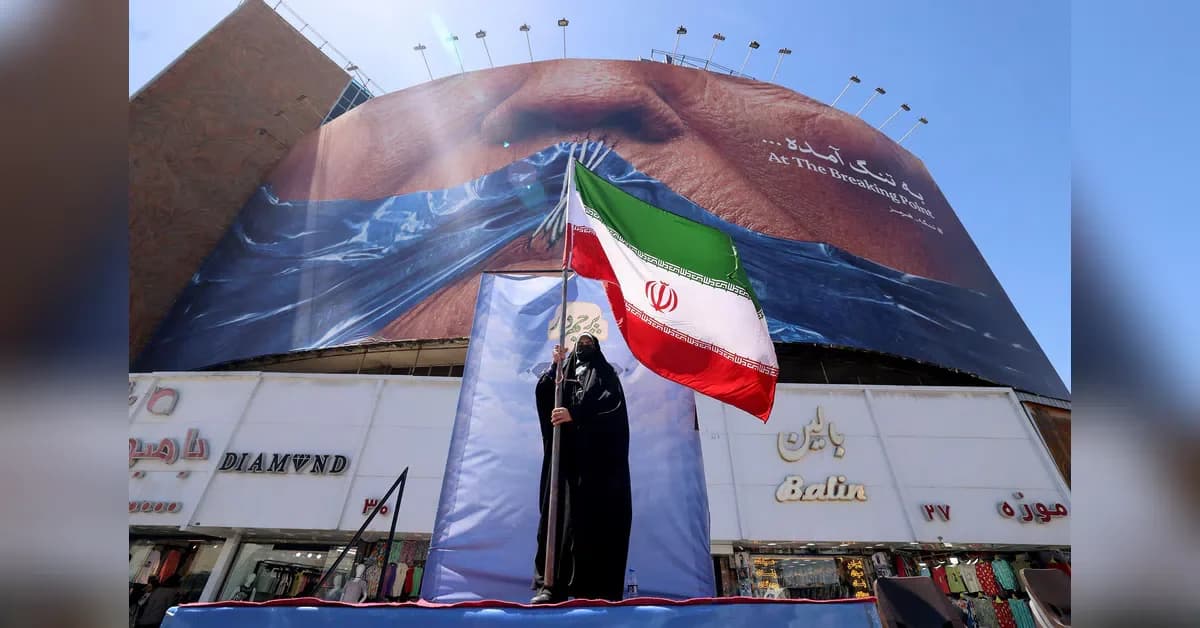
The US is considering striking energy infrastructure, including oil refineries and power plants, which would mark a major escalation in the military campaign. WTI rose above $86 a barrel in post-settlement trading on Friday afternoon following the CBS report. White House Press Secretary Karoline Leavitt did not directly address reports about an impending assault, but said in a statement that 'Iran will continue to pay until they come to the table in, what President Trump deems, a meaningful way.' The deliberate bombing of civilian targets could be considered war crimes, according to advocacy groups.
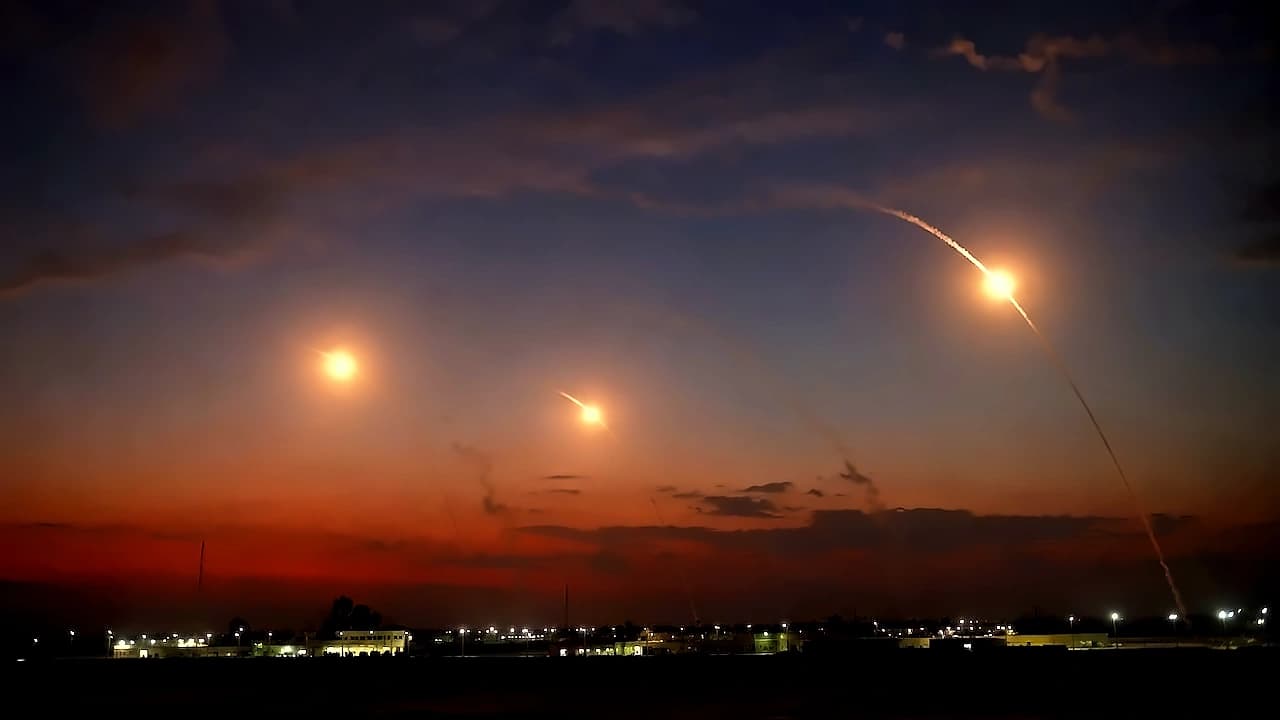
The escalating conflict has created significant regional tensions and economic disruptions. Saudi Crown Prince Mohammed bin Salman spoke to Trump on Saturday and 'expressed concern and asked for clarity' about US plans for Iran, according to a US official told Axios. Meanwhile, Kuwait's army said it destroyed hostile drones launched by Iran against several vital facilities, with a government facility in northern Kuwait and civilian property on Bubiyan Island hit on Saturday, causing material damage but no casualties. Oil prices have remained elevated since the conflict began, with benchmark Brent crude futures rising 24% in July, and analysts polled by Reuters expect prices to rise further this year. The risk of Iranian attacks has deterred most shipping through the Strait of Hormuz, an important conduit for global energy supplies, while Iran's Houthi allies in Yemen have recently begun threatening the Bab el-Mandeb strait, another export route for Saudi crude.