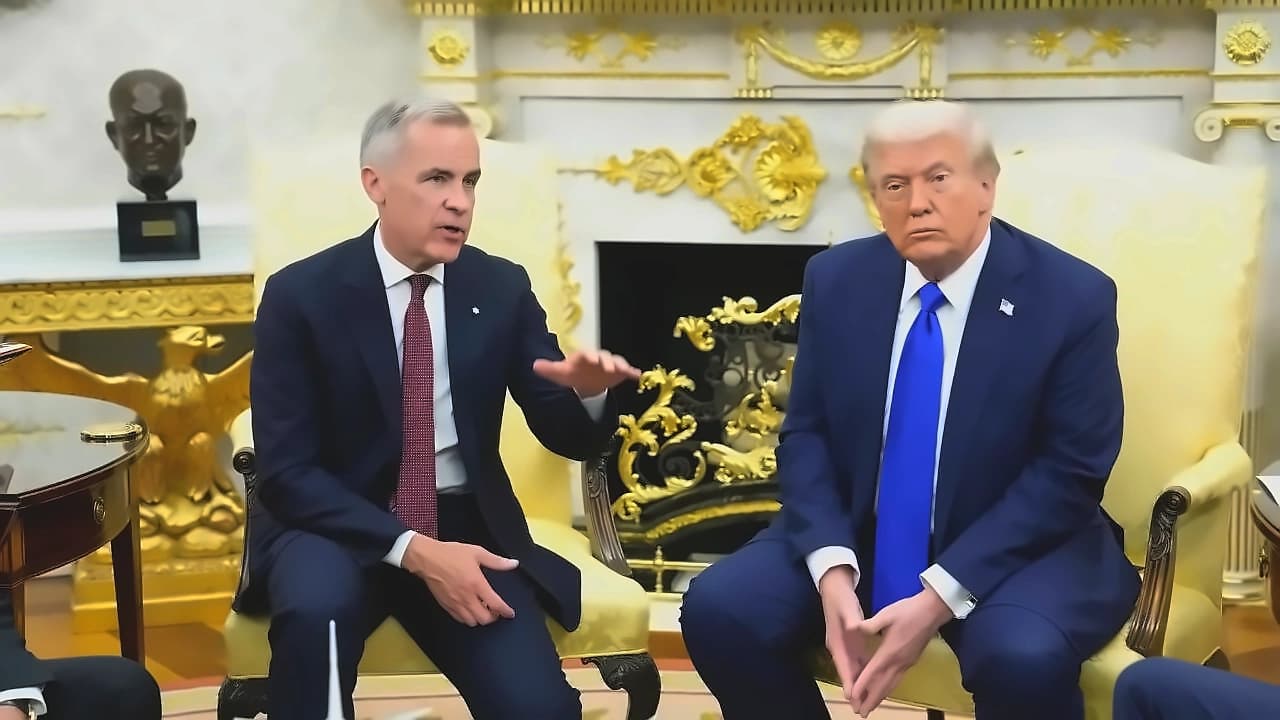
The US-Canada trade war has intensified with both countries imposing fresh tariffs on a range of goods, including cars, building materials, household products and alcohol. According to The Times of India, Trump has threatened to raise tariffs on Canadian vehicles from 25% to 50% from January 1, 2027, while Canada has imposed retaliatory duties on several US products. The latest measures come after Trump's threat to rename Lake Ontario to 'Lake America' using his signature Sharpie marker, with the president stating 'The United States is giving serious consideration to changing the name of Lake Ontario to Lake America in that we don't expect to [be] doing much business with Ontario any longer.' The economic standoff has spilled into a heated war of words, with Trump singling out Ontario Premier Doug Ford in a Truth Social post, describing him as a blustering 'flunky' who needs to 'fall in line.'
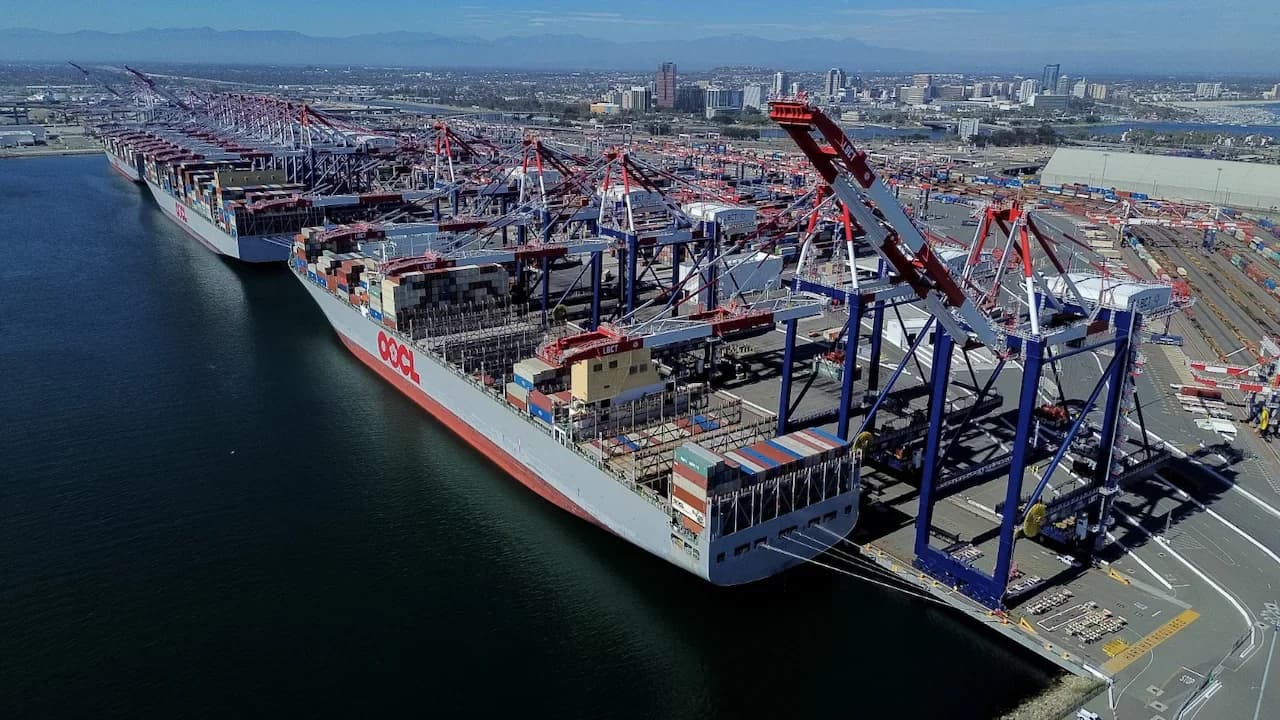
The automotive industry faces significant disruption as cars, trucks and parts are among the main goods traded between the US, Canada and Mexico, with manufacturing and supply chains stretching across borders. As reported by The Times of India, previous tariffs have increased costs for manufacturers, but dealerships have absorbed the 'lion's share', but Bernard Yaros, lead economist at Oxford Economics, warns that 'the cushion is wearing thin' and 'the recently threatened 50% tariffs on Canadian autos, trucks, and car parts would feed through to consumer prices more readily than before.' Higher import costs could push manufacturers towards luxury cars, SUVs and pick-up trucks, while a shortage of cheaper new vehicles could raise used-car prices. Canada has maintained a 25% import tax on certain American vehicles since last year, but Trump's threatened increase to 50% would significantly impact cross-border trade. Trump has credited his tariff policies with reviving the US automotive industry, claiming 'I've revived, and indeed saved, the Automobile Business in our America' and pointing to Ford's Detroit factory running 24/7 and being one of the most profitable Car Plants in the World.

Building materials face substantial increases as steel, aluminium and lumber have already faced tariffs, while Canada has now matched US rates on metals at 50%. According to The Times of India, Canada has also imposed import taxes on US wood products such as plywood and screws used to fix timber together. The Forest Products Association of Canada warned that tariffs would 'raise costs on both sides of the border', while Bill Owens, chairman of the National Association of Home Builders, urged Trump to exempt building materials because of an 'ongoing housing affordability crisis'. The US imported $23 billion worth of wood products in 2024, with almost half coming from Canada, according to a US Congress report. The Budget Lab at Yale expects marginal increases in furnishing and other household equipment costs for Americans, mainly because of tariffs on lumber and other materials.
Canada has targeted carpets, washing machines, furniture, fridges, knives, forks and spoons, with Bradley Saunders from Capital Economics noting that 'Canadians could 'shift to domestic suppliers instead' for goods like hair care products. The alcohol industry faces another significant hit as several Canadian provinces banned US alcohol sales last year after earlier tariffs, while the American wine and spirits industry reported exports to Canada fell by more than 70%. According to The Times of India, Saskatchewan and Alberta are the only provinces that still sell American alcohol, with Saskatchewan announcing a 50% charge on US-imported alcohol from September 8 when wider Canadian tariffs take effect. Saunders noted that 'politicians had pushed 'buy Canadian', which had been successful for spirits', with the move aimed to 'minimise the impact on Canadian households as much as possible by picking very fungible goods'.
BMO Chief Economist Douglas Porter estimates that the current US tariffs could subtract approximately 0.5 percentage points from Canadian growth, while Canada's retaliation could add between 0.2 and 0.3 percentage points to inflation. According to Investing.com India, the economic impact on the United States remains modest because Canada is vastly more dependent on bilateral trade, with BMO raising its US growth forecast to 2.2% on stronger AI infrastructure investment. The contrast is stark, as Canada's growth forecast was reduced by a similar amount to 1.8% reflecting the trade dispute, despite welcome improvements in Canadian business investment. Financial markets responded with remarkable calm, as the Canadian dollar weakened approximately 1% over the week while the TSX finished close to unchanged, supported by commodity producers. Markets are still betting on eventual de-escalation, with Porter noting that 'there is zero chance the Bank of Canada will be hiking in 2027 under the scenario of 50% tariffs on Canadian automobiles' due to the automotive sector's deep integration into Canadian manufacturing and employment.