Recent data from the Census Bureau reveals that Trump's tariff policies have produced mixed results in reducing the trade deficit. The goods and services deficit reached $105.6 billion in August 2026, representing a significant $12.7 billion increase from July's $92.8 billion. According to the latest International Goods and Services Trade Report, this 13.7 percent monthly increase shows that tariff policies have not achieved their intended goal of balancing trade flows. The deficit increase was driven by higher imports of $420.8 billion (up $17.2 billion from July) while exports remained relatively stable at $315.2 billion (up $4.5 billion).
US President Donald Trump has claimed that the country has added 60,000 manufacturing jobs this year, following a period of decline. Speaking in Texas, Trump also highlighted that heavy truck manufacturing has risen by around 31 per cent. According to reports from IANS, Trump stated that after years of decline, the United States has added these new manufacturing jobs this year. He emphasized that tariffs on foreign goods were helping bring factories, plants and manufacturing jobs back to the country, with more factories and manufacturing plants now being built across the US. Trump attributed this manufacturing revival to his administration's tariff policies and regulatory changes, stating that the increase in factory construction is visible across the country and attributed the trend to stronger protection from overseas competition.
During Trump's visit to the Peterbilt facility in Denton, events manager Sarah Renshaw told the President that the tariffs had enabled the company to expand production and increase its workforce. As reported by IANS, Renshaw stated, "Mr. President, because of your tariffs, we have been able to hire -- increase production and hire 1,000 employees." PACCAR CEO Preston Feight, who welcomed Trump to the facility, also backed the administration's trade approach, saying the measures were beneficial for customers, American manufacturing and Peterbilt. Trump highlighted the truck manufacturing sector as an example of the impact of his trade policies, with Renshaw's remarks coming as Trump pointed to the industry's performance as evidence that his trade policies were producing results. During the visit, Trump recognized some employees whose work at Peterbilt was a family affair, including Renshaw whose parents both worked for the company, and joked about potentially purchasing and driving one of the trucks if Secret Service approval was obtained.
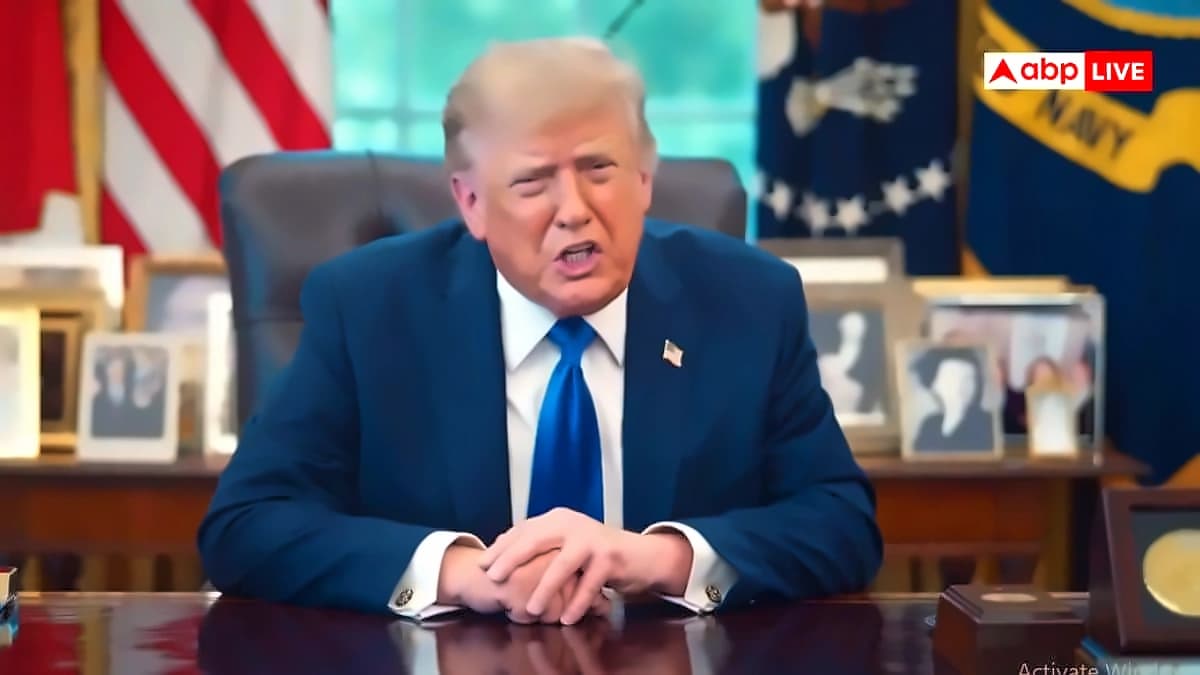
Trump claimed that manufacturing worker wages have increased by nearly ₹3.2 lakh ($4,000) since he took office, representing a significant improvement in worker compensation. According to reports from IANS, he attributed this wage growth to his tariff policy, stating "Wages for manufacturing workers are up by nearly almost close to $4,000 since I took office." The President also highlighted that heavy truck shipments had reached an all-time high under his administration, with Trump declaring "American trucking is back." During the Texas visit, Trump discussed the administration's decision to roll back environmental regulations affecting heavy trucks, specifically referring to a nitrogen oxide regulation and estimating this action alone would cut ₹4.8 lakh ($6,000) from the cost of each truck built. He noted that previously foreign companies were able to sell products in the US while American workers lost jobs, but his tariff policies had changed that situation.
Despite Trump's claims of record exports, the latest data shows that American exports have not reached the highest levels in history. According to the Census Bureau report, August exports were $315.2 billion, representing a modest 1.4 percent increase from July's $310.7 billion. The President's assertion that American exports have surged to the highest level in history appears to be based on pre-tariff performance, as the current export levels show only gradual growth. Trump's claim that the US trade deficit with China had fallen to its lowest level in 44 years also faces scrutiny, as the latest data reveals ongoing trade imbalances. The President argued that tariffs have changed import economics, stating that previously imported products entered the US market at the expense of American jobs, with foreign producers benefiting while domestic workers lost employment. However, the recent trade deficit data suggests that his tariff policies have not achieved the comprehensive trade balance he promised.