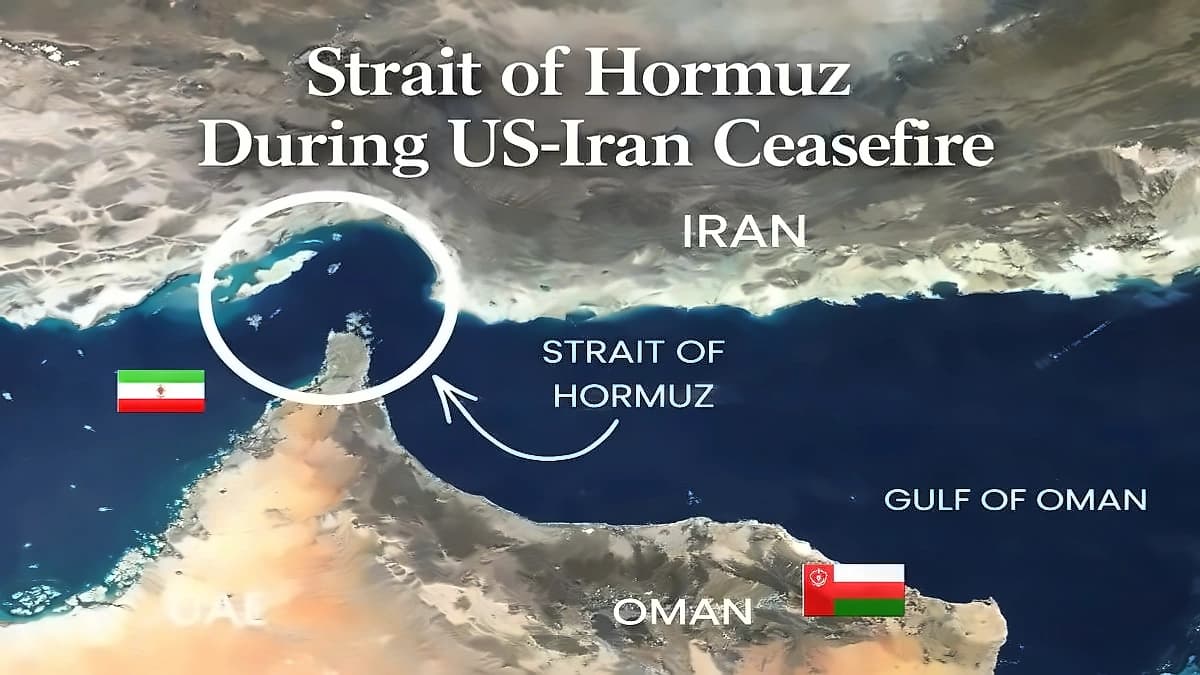
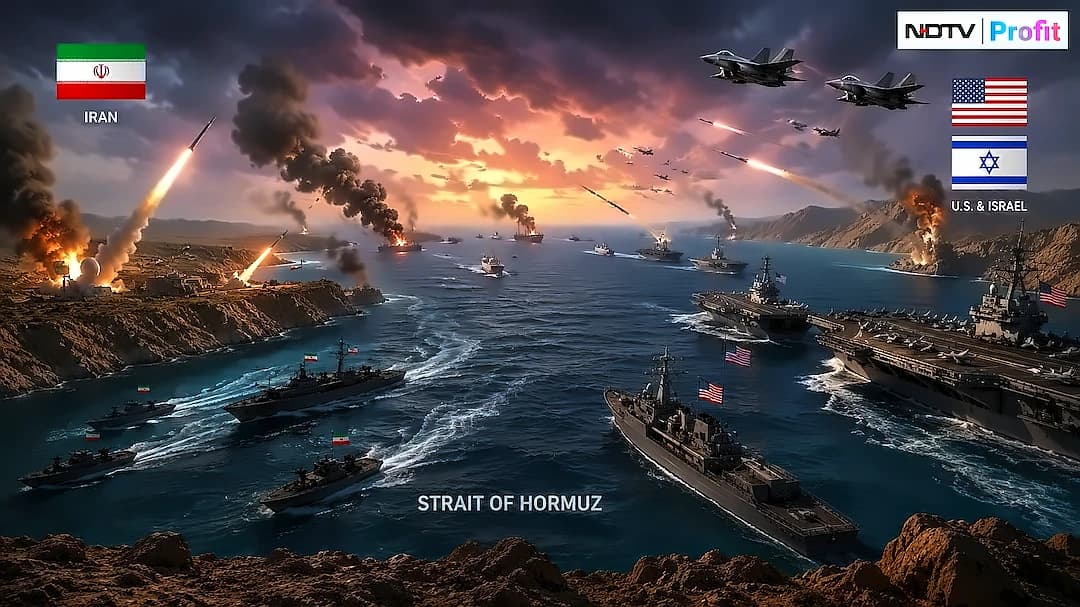
Iran's Islamic Revolutionary Guard Corps (IRGC) intercepted and destroyed an American MQ-1 drone over the Strait of Hormuz using a new air defence system, as tensions with the US continue and talks over the strategic waterway remain stalled. According to Iran's state broadcaster IRIB, the drone was intercepted by the IRGC Aerospace Force's 'new advanced aerospace defence system' under the control of Iran's integrated air defence network. The MQ-1 drone is manufactured by US defence company General Atomics and has historically been operated primarily by the US Air Force and the CIA. This interception follows a series of Iranian operations against US unmanned aircraft in and around the Strait of Hormuz, demonstrating the escalating military tensions in the region.
Yemen's Houthis launched a new attack on Saudi Arabia's Khamis Mushait military airbase in southern Saudi Arabia, firing dozens of missiles and drones at aircraft hangars, radar systems, runways and ammunition depots. The Houthis described the attack as retaliation for hundreds of Saudi air strikes on Yemen in recent days, with Saudi Arabian authorities announcing several emergency alerts in Khamis Mushait and three other southern cities. The Houthis launched a lightning advance last week in Yemen, culminating in the seizure of an island at the mouth of the Red Sea on Friday, while a separate attack knocked out Saudi Arabia's East-West Pipeline, the main route for West Asian oil bypassing the blockaded Strait of Hormuz. Images from space show sections of the pipeline damaged by fires, with Riyadh not providing a firm estimate of how long it will remain shut.
Crude oil prices rose more than 4% on Monday when markets reopened after the weekend's developments, with benchmark Brent crude futures above $109 a barrel. The politically sensitive average retail price of diesel in the United States hit a new all-time high of more than $6.23 a gallon. Traders indicate that if the Saudi pipeline remains shut for more than a few days, it could cut off as much as 4% of global oil supply. US Energy Secretary Chris Wright said on Monday that the average number of ships crossing the strait covertly with US support was increasing, though independent monitors suggest oil flows could have dropped this month since fighting re-escalated after a quiet August.
The regional meeting scheduled for Monday in Salalah, Oman, has been postponed after fresh attacks around the region's oil transit routes, according to Omani Foreign Minister Badr Albusaidi. In a post on X, Albusaidi stated that the meeting was postponed 'in the interests of consensus' and that 'we remain committed to fostering dialogue that supports stability and lasting cooperation in our region'. The postponement came after Saudi Arabia decided to shut down its East-West oil pipeline after a drone strike that originated in Iraq, with the pipeline serving as the main route for Middle East oil bypassing the Strait of Hormuz. Iran said the postponement was at Saudi Arabia's request, with Iranian and Gulf officials having been expected to meet Monday to sign an agreement establishing an Iran-Oman shipping route through the Strait of Hormuz.
Iran issued a list of 77 ships it said had violated its protocols for operating in the Strait of Hormuz, with any ship on the list facing 'restrictions on future passages, including fines, detention, or confiscation'. Meanwhile, Iran on Monday condemned the exclusion of the head of its Atomic Energy Organisation from the annual gathering of the United Nations nuclear agency in Vienna, saying that it constituted 'a serious breach' of Tehran's rights as a member nation. Iran's ambassador to the agency, Reza Najafi, told delegates at its general conference that 'by obstructing our full and effective participation, the denial of access contravenes both the letter and the spirit of the legal framework' governing attendance at meetings of the International Atomic Energy Agency.