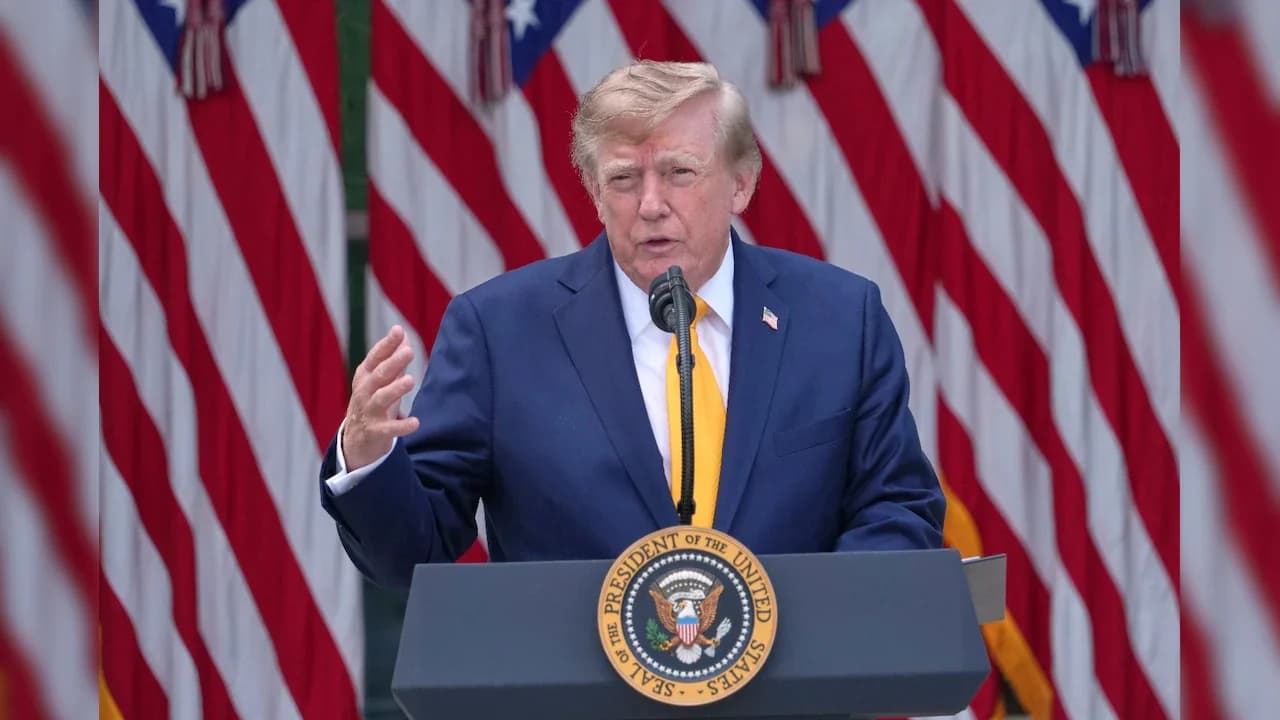
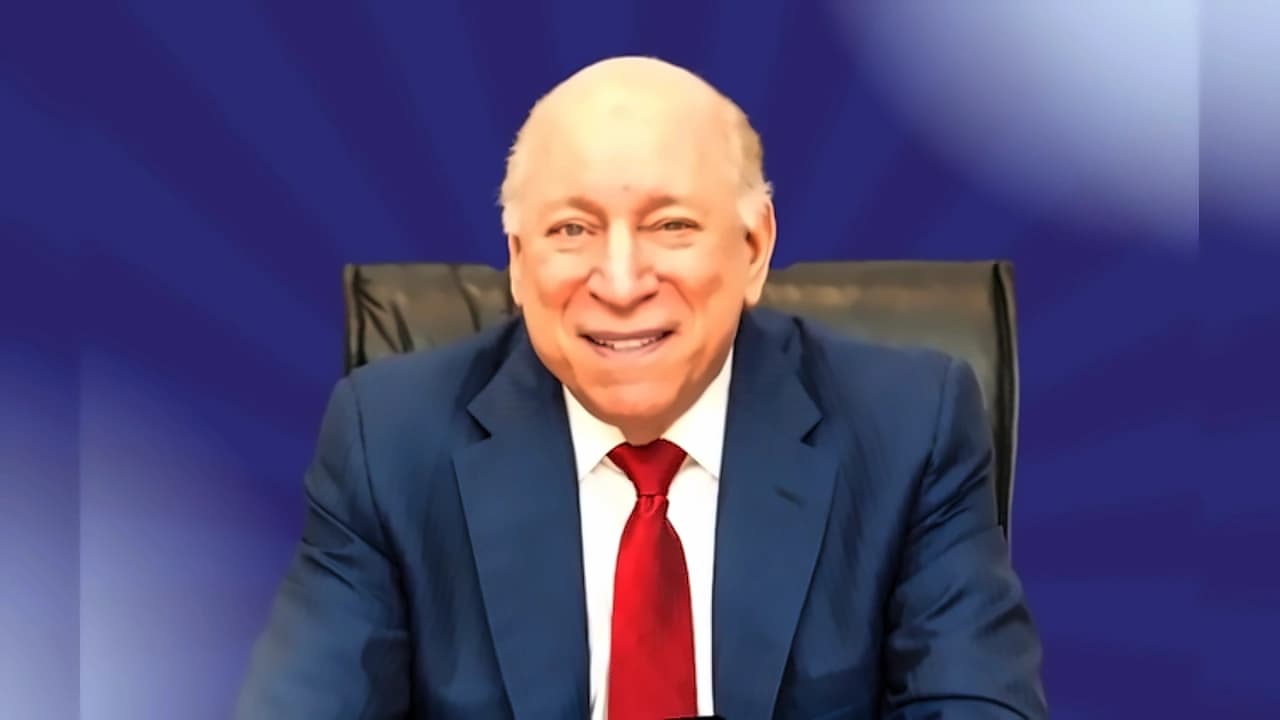
Peter Ticktin, an 80-year-old Florida lawyer and Donald Trump's boyhood friend from the New York Military Academy, is urging the president to invoke emergency powers over the 2026 US midterm elections, according to reports from IBTimes. The proposal is based on unsubstantiated claims that countries including Venezuela, China and Iran manipulated the 2020 US presidential election through electronic voting systems. A 17-page draft executive order, reviewed in full by PBS News, would authorize the president to invoke emergency powers over alleged foreign interference involving electronic voting systems. In a recent interview with CNN, Ticktin claimed evidence proving foreign manipulation of the 2020 election would soon become public, suggesting evidence would emerge from the Trump administration's prosecution of Venezuelan leader Nicolás Maduro. Earlier this year, Ticktin helped promote a legal memorandum arguing that a national emergency declaration could give the federal government greater authority over election administration, and has worked with conservative activist Jerome Corsi on proposals relating to election security.
Trump is pushing every button with the November midterms getting closer, as his poll numbers sink to 61 percent disapproval in a Fox survey. The president is frantic for any tactic to stop Democrats from taking control of the House and possibly winning a Senate majority. He is even planning a national Republican convention before the midterms and wants to distract from RealClearPolitics polls that show Democrats with a 5-point advantage in generic congressional voting. According to The Washington Post, Trump's words about leftists in Democratic primaries - calling them 'animals' and describing the threat as 'a horrible threat of cancer that's permeating our country called communism' - are described as 'dehumanizing' and similar to 1950s 'redbaiting' attacks. Sen. Elissa Slotkin (D-Mich.) warned last month that Trump is willing to 'deny the results of midterms if they do not go his way' and urged voters to show up and fight like the country depends on them.
State election officials and constitutional scholars have warned that such a move would likely face immediate legal challenges, arguing that the US Constitution largely leaves election administration to the states, with Congress setting the framework for federal elections. The draft executive order also proposes nationwide requirements for hand-counting ballots, voter identification and restrictions on mail-in voting, as reported by PBS News. However, legal experts have raised specific concerns about the constitutional basis for such powers. Goitein pointed out that the International Emergency Economic Powers Act (IEEPA) is mostly about economic sanctions and property, noting that 'nothing in that would allow for the seizure of voting machines owned and operated by state or local election authorities.' This dovetails with a more basic constitutional objection that the president does not have a free-floating power to intervene in how votes are cast or counted, let alone to unilaterally rewrite the rules for midterm contests years in advance. Election law experts have strongly disputed Ticktin's legal arguments, saying the U.S. Constitution gives primary responsibility for administering elections to the states and Congress, not the president. Constitutional scholars have argued that a president cannot use emergency powers to take control of federal elections in the way Ticktin has proposed, and there is no indication the administration has adopted his recommendations as official policy.
Ticktin has also claimed, without evidence, that Democrats are plotting to win enough congressional seats in the midterms to impeach and remove Trump and Vice President JD Vance, which, he alleges, would allow House Democratic leader Hakeem Jeffries to become president. According to IBTimes, Ticktin told the network he has communicated directly with Trump about the proposal and has also spoken with unnamed White House and Justice Department officials. However, neither Ticktin nor his allies have produced public documentation that substantiates those sweeping claims. In public, Trump has taken a marked step back from the idea, stating that 'I've never heard about it.' The gap between Ticktin's narrative and the public record is visible elsewhere too, as a 2021 assessment by the US intelligence community concluded that no foreign power attempted to alter any technical aspect of the voting process in the 2020 US elections. Separate investigations by the Justice Department and Department of Homeland Security likewise found no credible evidence that foreign actors compromised US election infrastructure.
While Ticktin presses his emergency-order theory from the outside, Trump has been busy reshaping election rules through more conventional channels. In March 2025, he signed an executive order requiring proof of citizenship to register to vote and instructing the attorney general to challenge states that count mail-in ballots received after Election Day. That order is already facing a wave of legal challenges from civil rights groups and state officials. The president has also turned to Congress, urging lawmakers to pass the SAVE America Act, a bill that would impose strict voter ID requirements nationwide. In his State of the Union address, Trump framed it as a rescue mission for US democracy, telling members: 'Congress should unite and enact this commonsense, country-saving legislation right now.' These measures, while controversial, represent more conventional approaches to election reform compared to the radical emergency powers proposal.