President Donald Trump announced Monday that he has postponed a planned U.S. military strike on Iran at the request of key Gulf allies who believe serious negotiations could produce a deal that would be 'very acceptable' to the United States and Middle Eastern countries. According to Trump's lengthy Truth Social post, he received requests from Emir of Qatar Sheikh Tamim bin Hamad Al Thani, Saudi Crown Prince Mohammed bin Salman Al Saud and United Arab Emirates President Mohamed bin Zayed Al Nahyan to hold off on the planned military attack scheduled for Tuesday. Trump stated that 'In their opinion, as Great Leaders and Allies, a Deal will be made, which will be very acceptable to the United States of America, as well as all Countries in the Middle East, and beyond. This Deal will include, importantly, NO NUCLEAR WEAPONS FOR IRAN!' Trump told reporters that 'based on [his] respect' for the three leaders, he ordered Defense Secretary Pete Hegseth; Gen. Dan Caine, chairman of the Joint Chiefs of Staff; and the U.S. military to stand down from the strike. The president emphasized that 'We were getting ready to do a very major attack tomorrow, and I put it off for a little while, hopefully maybe forever, but possibly for a little while, because we've had very big discussions with Iran, and we'll see what they amount to.'
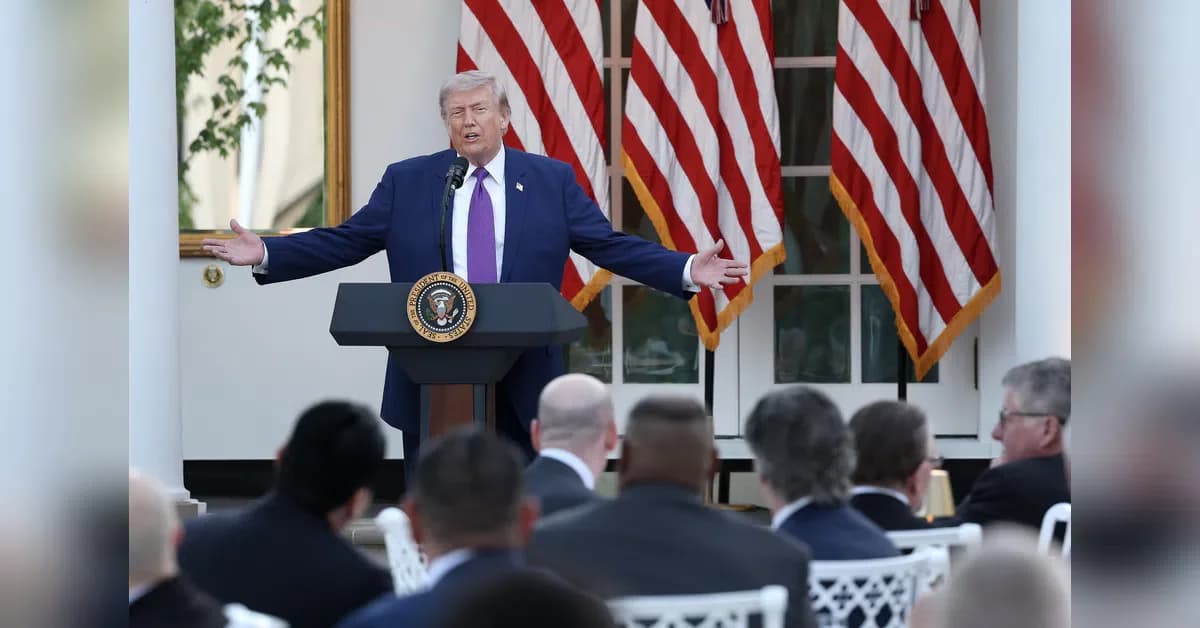
The cancellation came after Gulf allies requested that the planned strike be called off, as reported by NPR. This development suggests regional diplomatic considerations played a crucial role in Trump's decision to postpone military action. According to NPR reports, Trump said the leaders of Qatar, Saudi Arabia and the United Arab Emirates asked him to postpone military strikes because they believed they could strike a deal with Iran that would satisfy the United States. Trump told reporters that 'So I was called by these three countries, plus others, and they're dealing directly with our people, and right now Iran, and there seems to be a very good chance that they can work something out.' The governments of Saudi Arabia, Qatar and the United Arab Emirates have increasingly positioned themselves as intermediaries while also seeking to avoid a direct military confrontation between the United States and Iran that could threaten oil markets and shipping lanes across the Middle East.
Iran's latest proposal was reported to include more commitment not to pursue a nuclear weapon, but no details about suspending uranium enrichment or handing over existing stockpiles of enriched uranium. As reported by Axios, an impasse remains over sequencing any peace talks: Iran wants to resolve the Strait of Hormuz blockade first, while the US has wanted detailed nuclear discussions from the start. A White House source told Axios: 'It's time for the Iranians to throw a bit of candy out. We need some real, sturdy, and granular conversation [regarding Iran's nuclear programme]. If that's not gonna happen, we will have a conversation through bombs, which will be a shame.' Iran's Foreign Ministry confirmed that dialogue is ongoing, with Iran's top diplomat meeting with Pakistani officials today in Tehran as Pakistan continues to act as a mediator in the talks. Trump's announcement came as he has been threatening for weeks that the ceasefire struck in mid-April could end if Iran did not reach a deal, maintaining shifting parameters for striking such an agreement with Iran.
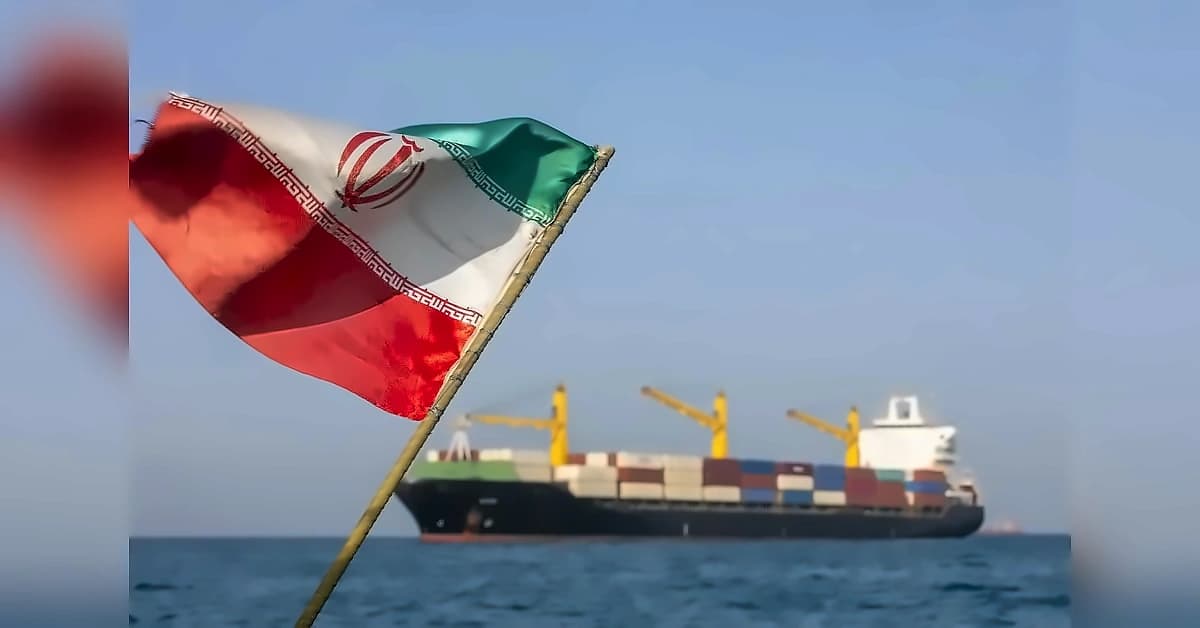
Trump's announcement caused an immediate fall in oil prices, which had been rising on the prospect of a prolonged standoff that would keep the Strait of Hormuz effectively closed. As reported by NPR, petroleum futures had been trading at $108.83 a barrel minutes before Trump's announcement, but his word about negotiations instantly shaved more than $2 off the price, though it crept up again and ended on Monday at $107.25 a barrel. The U.S. is currently blockading Iranian ports and has redirected 85 commercial vessels from mid-April through Monday, according to U.S. Central Command. Iran has effectively closed the Strait of Hormuz, a vital waterway for oil, gas, fertilizer and other petroleum products. Iranian state TV called Trump's post a 'retreat' based on 'fear,' while Turkey's Foreign Minister Hakan Fidan said the immediate concern of negotiations is keeping the Strait of Hormuz open, though Iran's nuclear program remains a central issue.
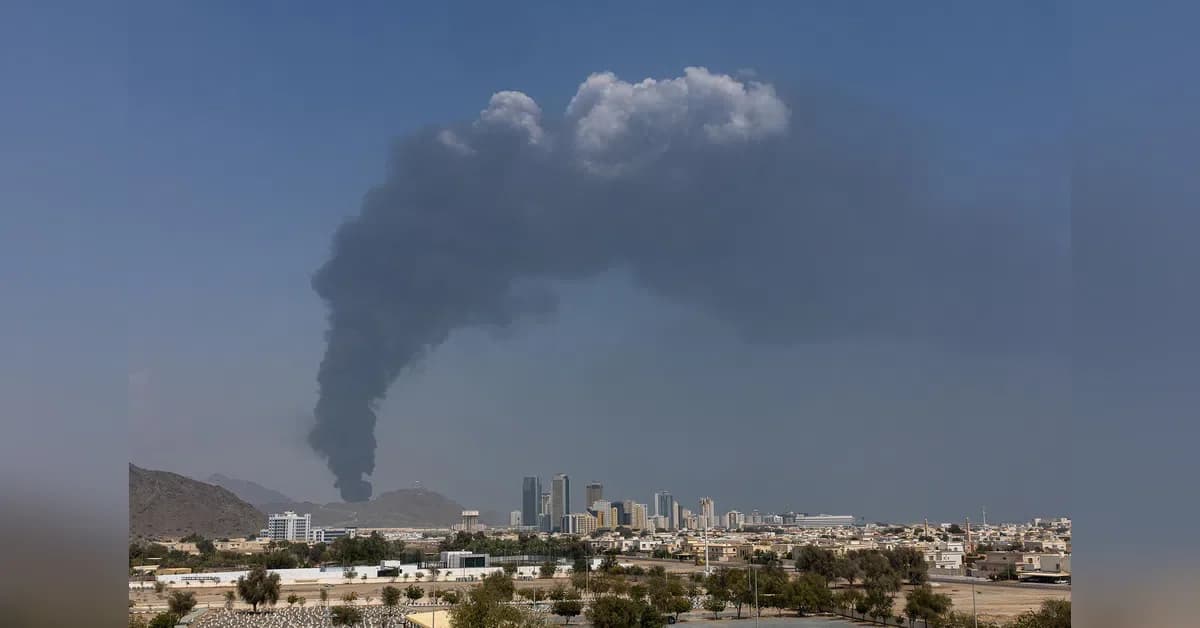
Despite the current pause, Trump emphasized his military readiness by stating he has instructed the US military 'to be prepared to go forward with a full, large scale assault of Iran, on a moment's notice' in the event that an acceptable deal is not reached, as reported by NPR. However, NPR reports that some US officials cautioned that Trump's public pronouncement could be a form of misdirection and that he could still move ahead with strikes. A US military official told Business Standard that the Iranian regime has demonstrated enormous resilience and the ability to inflict significant damage to the region and on the global economy. Recent developments show that defense systems were activated late Monday on Qeshm Island in the Strait of Hormuz, with the situation reported as 'under control' on the largest Iranian island in the Persian Gulf. According to Associated Press, Iran and allied Shiite militias in Iraq have launched drone attacks targeting the Gulf Arab states, with the UAE recently accusing Iran of launching attacks despite the ceasefire. On Sunday, Iran sparked a fire on the edge of the UAE's sole nuclear power plant in what authorities called an 'unprovoked terrorist attack'.