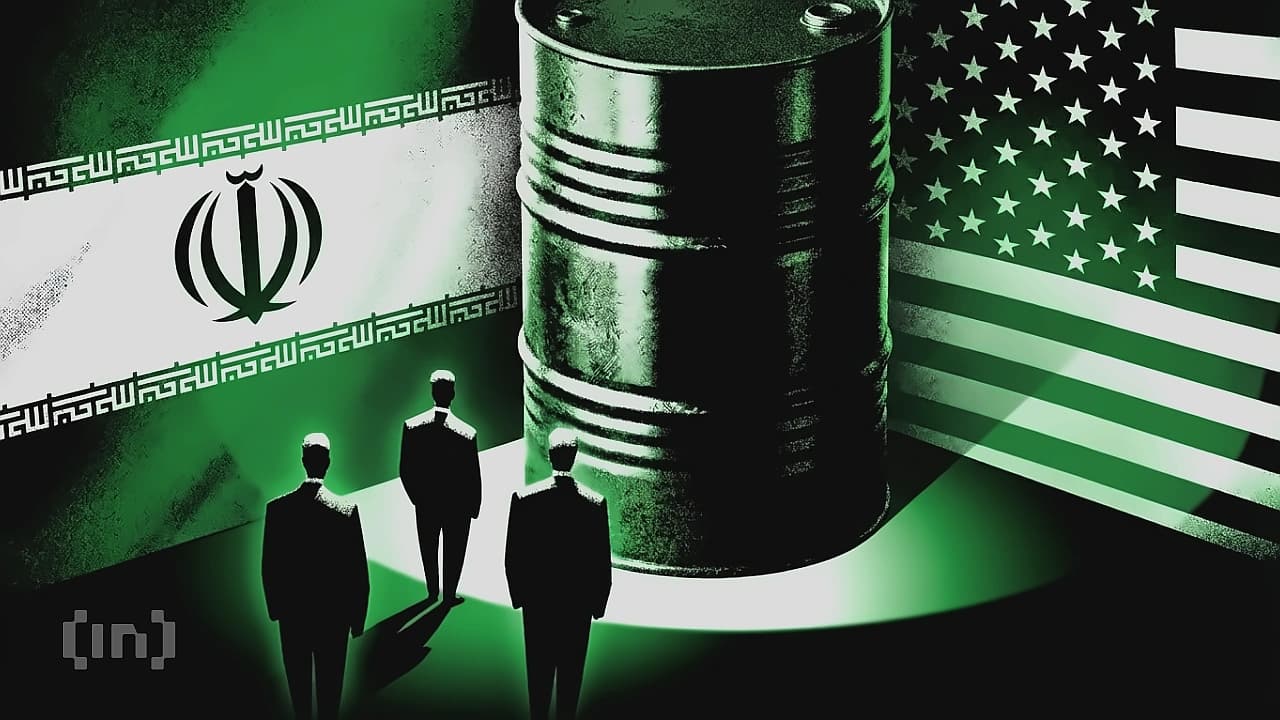
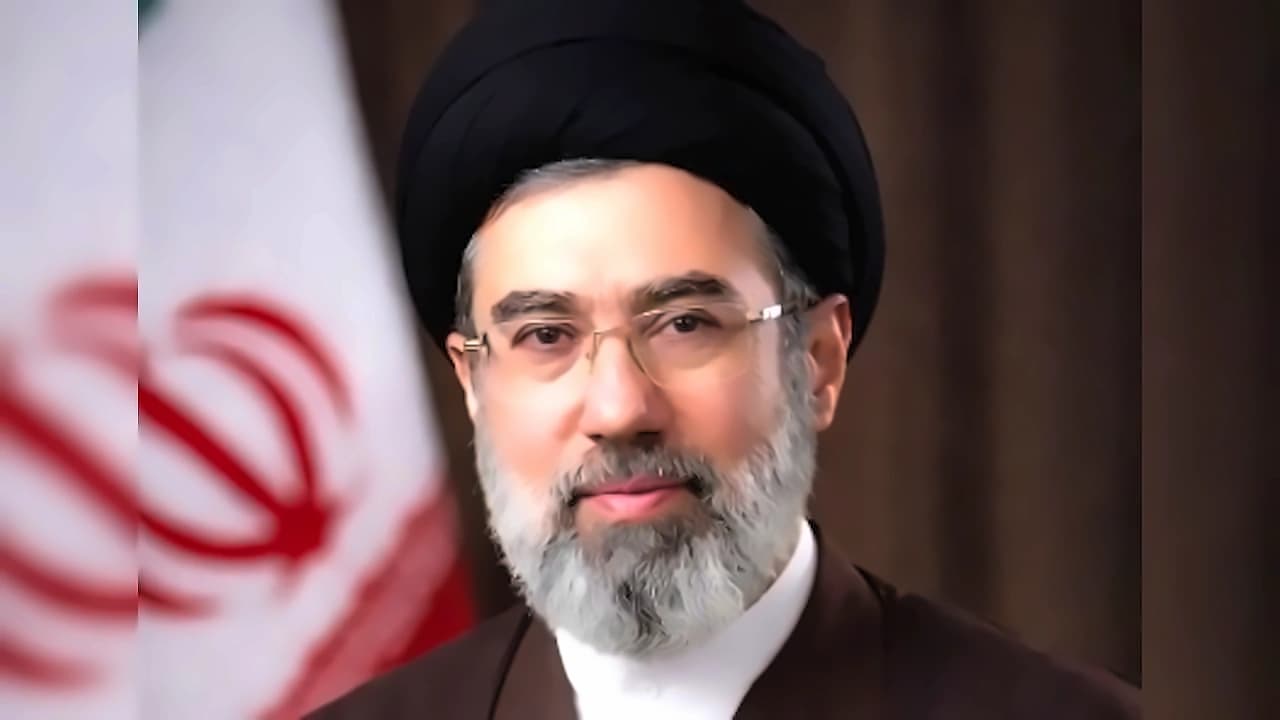
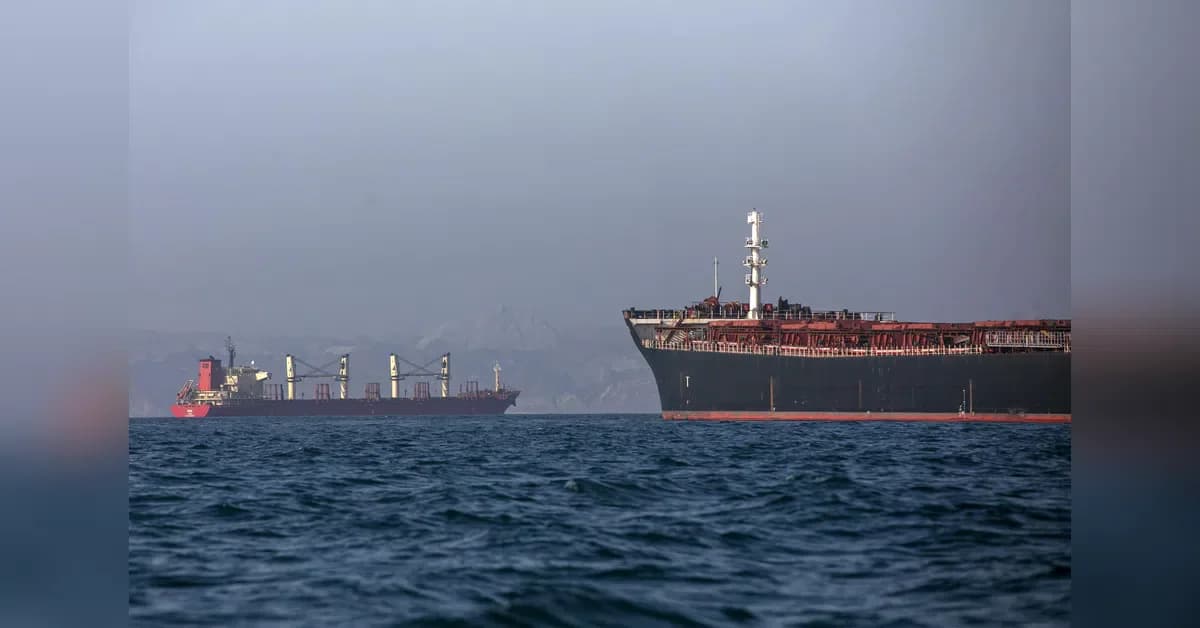
President Trump announced on Sunday that the United States is adopting a 'low-key' approach toward Iran and is not currently looking to launch a fresh military offensive, as reported by Axios. According to Trump, the US is only 'semi-negotiating' with Iran and is closely monitoring its worsening economic situation. 'We are only semi-negotiating with them. We are just watching Iran with its huge inflation and the fact they have no money,' Trump stated, claiming that Iran is 'in very bad shape' economically and does not have enough money to pay its troops. The President noted that falling oil prices, which are slightly above $75 per barrel, have reduced the impact of the conflict on American consumers. Trump described the ongoing situation as 'like a chess game' and expressed confidence that 'it will work out'. His comments follow days of uncertainty over a proposed arrangement to govern shipping through the Strait of Hormuz, with mediators from Qatar and Pakistan having expected the pact to be finalised by Wednesday. As per Upstox News Desk, Trump's comments mark a shift in tone from just a week ago, when he was considering ordering a return to major combat operations.
President Trump called off his threatened escalation of the Iran war over the weekend, stating that a deal was imminent to end the war, reopen the Strait of Hormuz, and begin Iran's 'denuclearization' - whatever that means. According to Axios, talks early this week between Iran and Oman, with U.S. input and Qatari mediation, have reportedly made progress toward a deal to reopen the strait, which Iran blockaded in response to the American and Israeli bombing campaign in February. However, tensions between the US and Iran have remained high amid stalled negotiations between Iran, Oman and the US aimed at reopening the Strait of Hormuz. Tehran has put forward new conditions, including lifting the US naval blockade and pulling back American forces stationed near Iran. Iranian Foreign Minister Abbas Araghchi confirmed that Tehran is currently not holding direct negotiations with Washington and is only exchanging messages through intermediaries, as reported by Al Jazeera. Adding to the impasse, Mohammad Bagher Zolghadr, who heads Iran's Supreme National Security Council, issued a fresh set of conditions on Saturday for reopening the strait beyond what Oman had already negotiated, insisting Washington must never 'threaten nor insult Iran'. According to Upstox News Desk, Iranian Foreign Minister Abbas Araghchi said negotiations with Oman on 'new maritime routes' through the Strait of Hormuz were in their final stages, but maintained that exchange of messages through intermediaries with the US was continuing but did not amount to negotiations.
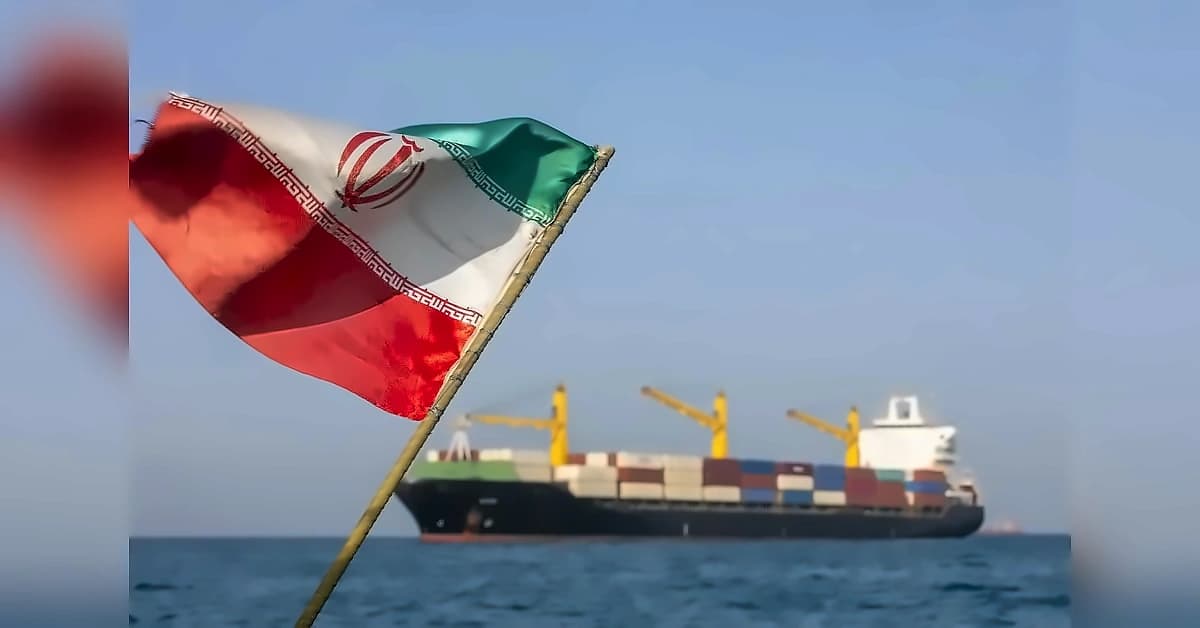
Iran's leaders are betting that military pressure will ultimately force the United States to accept their control over the crucial Strait of Hormuz, a waterway that carries a fifth of the world's traded oil and gas. According to reports from Business Standard, Iran knows about the diminishing stockpiles of key US weapons such as advanced missile interceptors, and understands that the war is deeply unpopular with Americans. The strategy relies on the belief that as long as the strait remains largely closed, gas and other goods prices will stay high ahead of US congressional elections in November, creating political pressure on President Trump. However, the war has exhausted the U.S. military capabilities significantly. CNN reports that the war has exhausted almost 80 percent of the U.S. supply of THAAD missile interceptors and about half of its Patriot missile interceptors. Reuters reports that the U.S. has used 'virtually all' of the Army's long-range precision ATACMS and PrSM missiles, and one source told Reuters that the U.S. has also used nearly half of its Tomahawk cruise missiles. Vice President JD Vance told Fox News on Saturday that Washington was still deploying 'diplomatic, economic, military tools' to reach the best possible outcome, adding, 'This thing is not over.'
Iran has repeatedly stated that the Strait of Hormuz will not return to being an open waterway, with the joint military command calling it an 'unbreakable red line'. As reported by Business Standard, Iran's joint military command has stated that the strait has become a strategic lever for deterrence and maintaining regional balance of power. The economic fallout from the war has been particularly acute in Iran, with US and Israeli strikes pummeling its industrial base and the US blockade choking off much of its oil exports. In December, a currency crisis sparked some of the biggest anti-government protests in the 47-year history of the Islamic Republic. The war has created significant disruptions globally, with two gas tankers in the Egyptian port of Damietta catching fire last week after being attacked by unidentified drones - Iran disclaimed responsibility for this attack, but any number of Iranian proxies in the region might have carried it out. With one of the world's busiest shipping lanes closed by Iran, another at least partially blockaded by the Houthis, and a third now potentially coming under attack, Saudi Arabia finds its access to seaborne trade threatened on all sides.
Despite Trump's claims of reduced military pressure, the conflict has intensified concerns about US military readiness. The US Defence Department has asked American defence contractors to urgently increase weapons production and speed up deliveries amid concerns over a shortage of critical munitions linked to the war with Iran, according to The Washington Post. Deputy Defence Secretary Steve Feinberg told industry leaders on Wednesday they have up to 21 days to submit plans for 'significantly faster, more aggressive delivery schedules and/or increased production for critical capabilities'. This urgent request comes as the war has exhausted US military stockpiles, with Trump acknowledging that 'we are only semi-negotiating' while monitoring Iran's economic difficulties. The military pressure has been so intense that Iranian officials have insisted the strait will not go back to its prewar status, with Tehran having no reason to give up the leverage it has acquired by closing the strait during this war.
Despite Iran's confidence, the strategy carries significant risks. As reported by Business Standard, Trump points to strikes that have decimated Iran's top leadership, navy and air force, while Iran's own economy has been battered by the US blockade. In December, a currency crisis sparked mass anti-government protests that authorities responded to with a bloody crackdown in which thousands were killed and tens of thousands detained. Mohammad Javad Zarif, who helped negotiate the 2015 nuclear deal, warned that if Iran doesn't strike a deal soon, economic recovery will be difficult and internal unrest cannot be ruled out. The longer the blockade continues, especially as other shipping routes come under threat, the worse the economic consequences will be for the U.S. and the rest of the world. If the objective in peace negotiations is to restore the status quo, at best, the U.S. may come out with some face-saving Iranian concessions, but nothing better than could have been achieved without going to war in the first place.
The potential control of the strait would deal a blow to global norms on freedom of navigation and set a precedent that much of the world would find disturbing - that nations can shut down trade choke points at will. According to Business Standard, China, which buys oil from Iran and has influence over it, said in May that 'normal and safe passage' through the strait should be restored. The war has already been marked by surprises, with Trump suggesting the conflict would be over in weeks after the first wave of strikes killed Iran's supreme leader, but instead the conflict has emboldened Iran's leaders and mobilized their supporters. As Axios reports, while Iran has fought the U.S. to an effective stalemate militarily, it has defeated the U.S. strategically. Trump wants and needs to end this war, but he can't win it. The American public, his base, his party, the markets, the Persian Gulf states, and pretty much every other country (with the possible exception of Israel) all want the war to end and the strait to reopen as immediately as possible. The best U.S. negotiators can hope to get from Iran in these talks are a promise to keep the strait open (almost certainly for a price) and restrictions on uranium enrichment similar to what it had already agreed to in 2015.