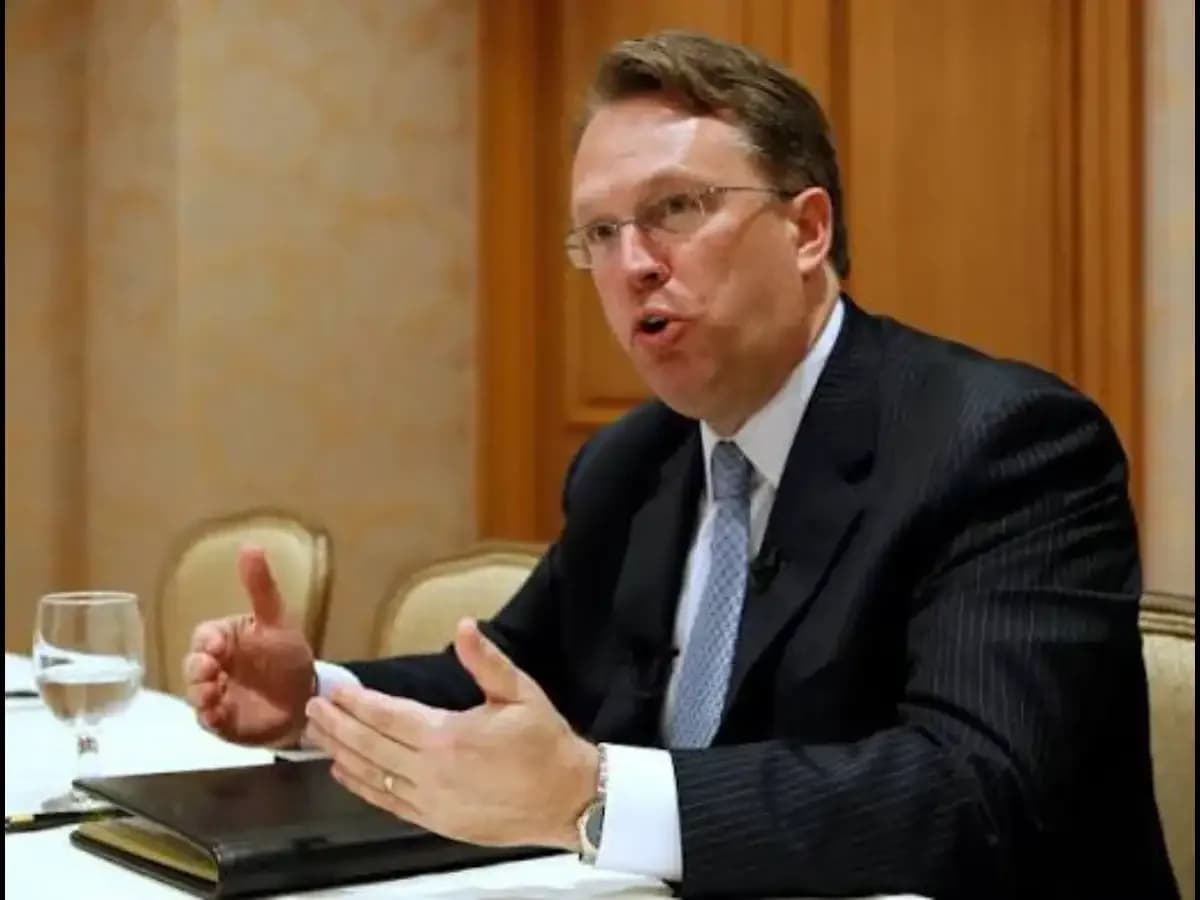
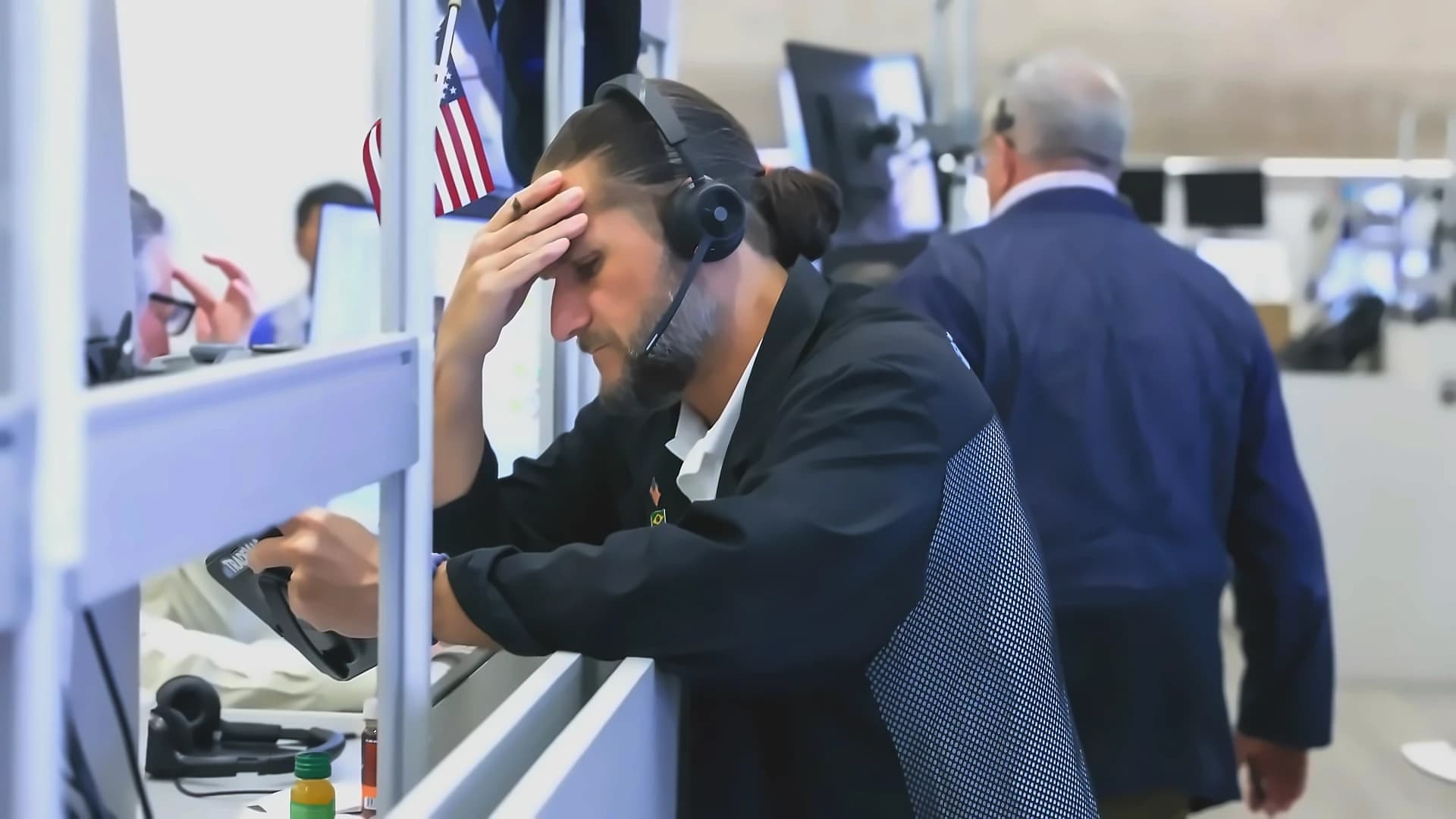
US President Donald Trump has made a dramatic policy reversal, backing the Federal Reserve's decision to hold key lending rates steady on Wednesday. According to reports from The Economic Times, Trump said the Federal Reserve System's decision was 'alright' despite his previously aggressive calls for rate cuts. This represents a significant shift from his previous stance during Jerome Powell's tenure, when he left no ambiguity in expressing support for rate cuts by the central bank. As reported by Reuters, Trump expressed confidence in Federal Reserve Chairman Kevin Warsh after the central bank left interest rates unchanged, marking a notable shift from his earlier criticism of the Fed's leadership. Although Trump acknowledged that another interest rate hike remained a possibility, he suggested he was comfortable relying on Warsh's judgment on monetary policy, reflecting a more conciliatory approach toward the new Fed chief. The updated projections showed that nearly half of policymakers believe another rate increase may be warranted later this year, as reported by Reuters.
Federal Reserve Chairman Kevin Warsh announced the creation of five task forces during his first press conference as Fed chair, marking a comprehensive review of central bank operations. As reported by The Financial Express, Warsh stated 'For each of these independent task forces, I'm enlisting some of the very best minds, both inside and outside the economics profession.' The groups are expected to begin work in the coming weeks, release early findings in the fall and complete their work by the end of the year. The task forces will examine communications, the Fed's balance sheet, data sources, productivity and jobs, and inflation frameworks. Warsh emphasized that 'A change in leadership is a natural and timely opportunity to reaffirm its mission, to review current practices and to consider whether those practices best meet our objectives.' He told reporters that 'I expect more changes to come. And, some of those might well be worthy of a press conference.'
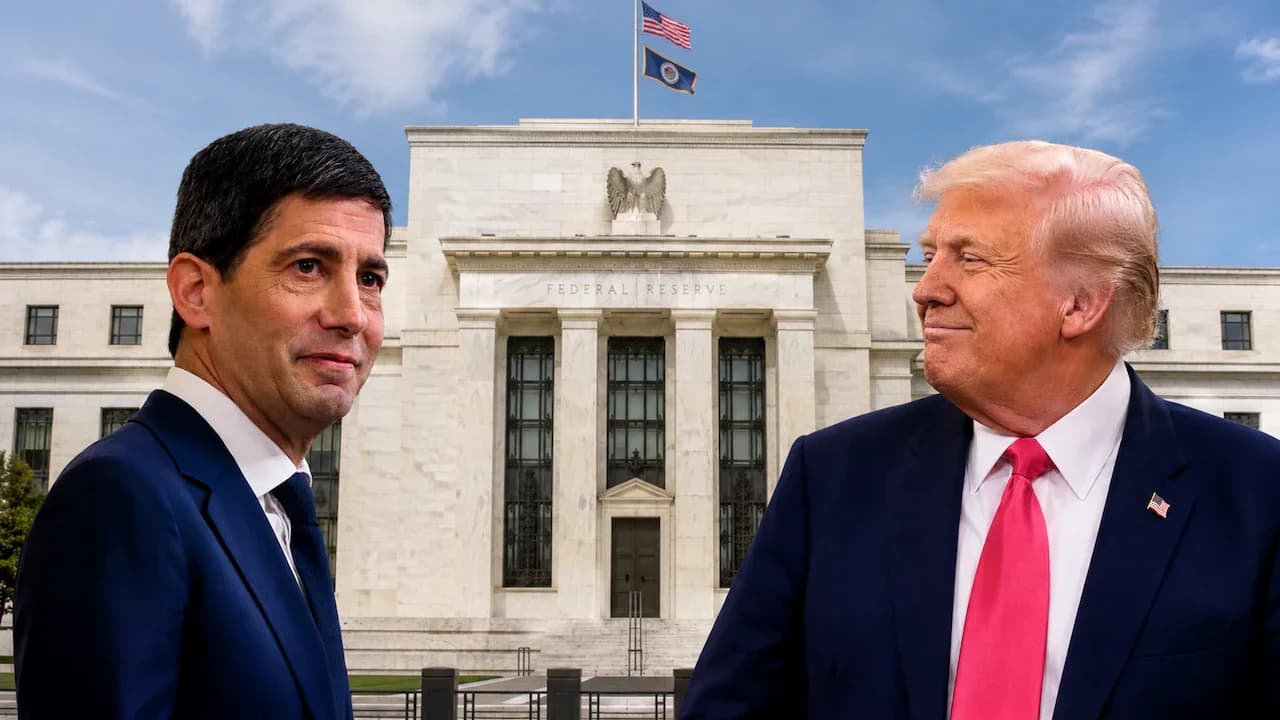
The Fed's policy statement under Warsh's leadership underwent significant changes, becoming 'a bit shorter, a bit simpler, and it dispenses with some older language' as reported by The Financial Express. Warsh defended the streamlined approach, stating 'It's a bit shorter, a bit simpler, and it dispenses with some older language. That statement just gives you the facts as best we can judge it.' The most notable change was the removal of forward guidance, which Warsh explained 'Absent also is so-called forward guidance, which we agreed was not well suited to the current policy conjuncture.' He told reporters that 'I think the financial markets work less efficiently when they ask a question, 'how will the Federal Reserve react to that incoming information?' Warsh emphasized that 'The more that markets are paying attention to what's happening in the real economy, deciding what's good data and what's less good data, the more financial markets can price what they believe is the most likely.'
Warsh repeatedly emphasized inflation as the Fed's top priority during his press conference, stating 'The commitment to deliver is strong, unanimous and unambiguous. And that's, I think, an important message we've missed for five years. And we're going to fix that.' As reported by The Financial Express, he defended the Fed's approach by saying 'That's what we're prepared to say about inflation.' The Fed chair also addressed artificial intelligence developments, noting 'It is filled with both a huge opportunity and with risks. I take both of those very seriously.' Warsh explained that 'With respect to AI and the growth of data centers and infrastructure around it, we're counting the demand side, and it is no doubt showing up in GDP figures.' However, he cautioned that 'It is still difficult to know how quickly AI will improve productivity and boost the economy's ability to produce more goods and services.'
The Fed's decision to hold rates steady while adopting a shorter statement and avoiding forward guidance has prompted a hawkish market response, as noted by Business Standard. The policy changes signal a meaningful shift in how the US Federal Reserve communicates and conducts policy under Warsh's leadership. However, tighter US financial conditions may create challenges for economies such as India that depend on stable capital inflows, according to Business Standard. The Fed's decision to review communications, data use, the inflation framework, and other institutional practices could reshape central banking norms more broadly. Following the policy announcement, Warsh declined to provide any indication of the future path of interest rates during his post-meeting press conference, as reported by Reuters. He also avoided commenting on whether he had spoken with President Trump since assuming office, though he confirmed maintaining regular contact with Treasury Secretary Scott Bessent.