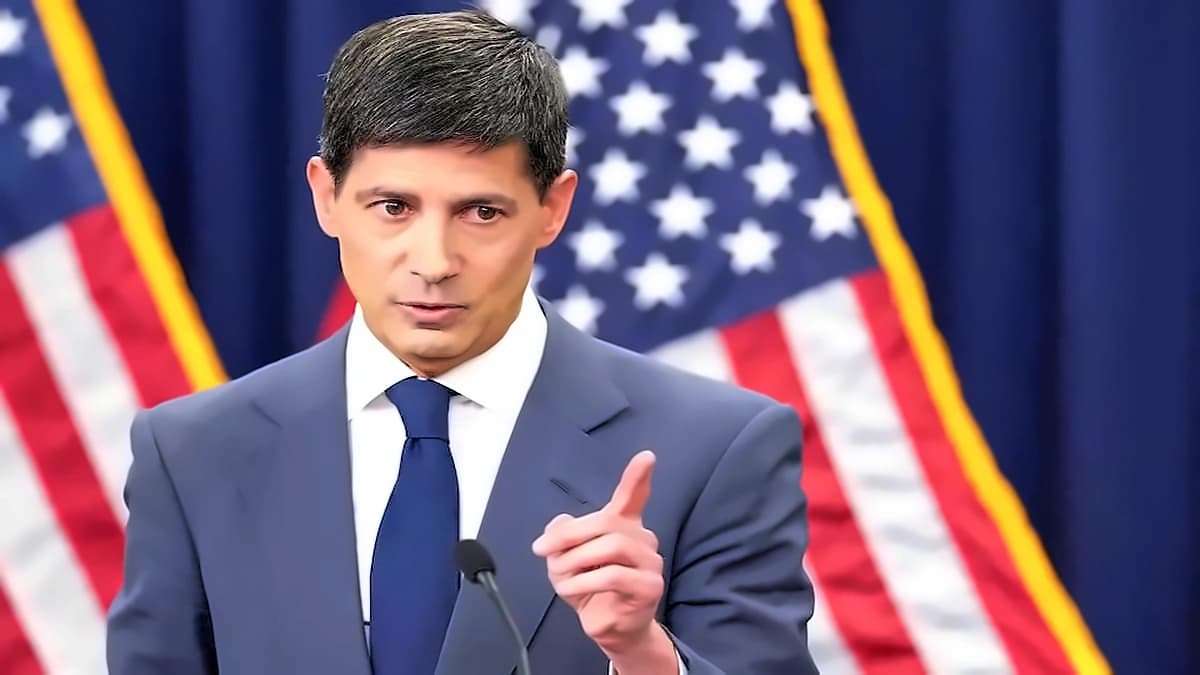
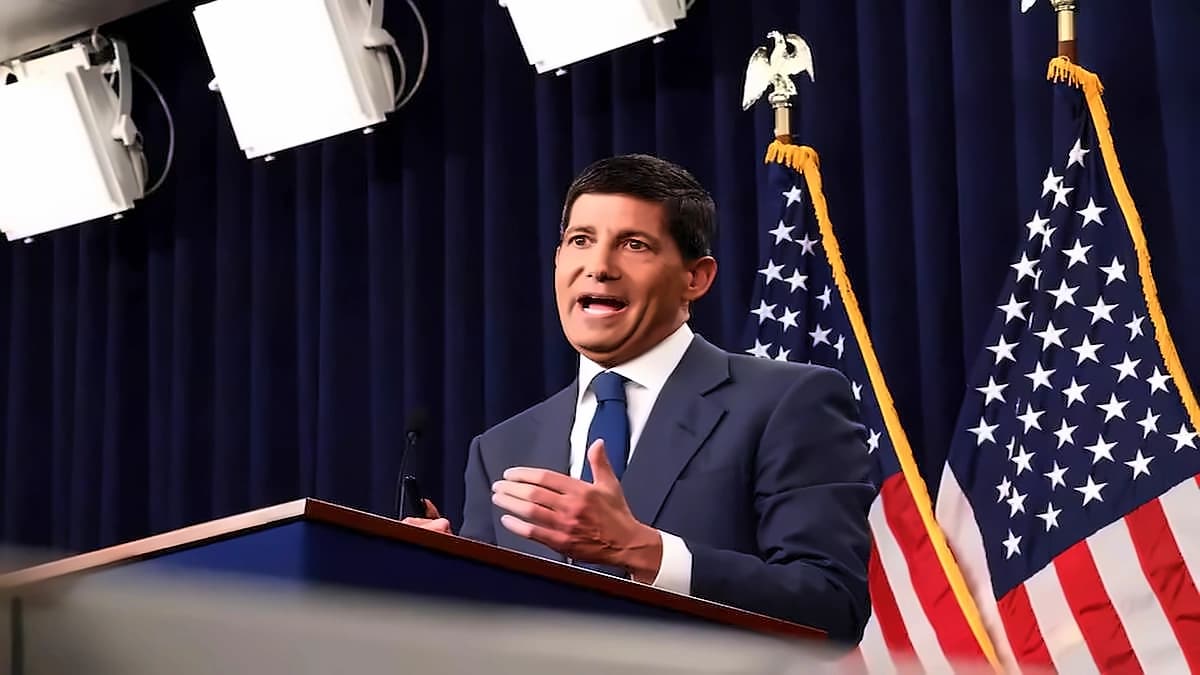
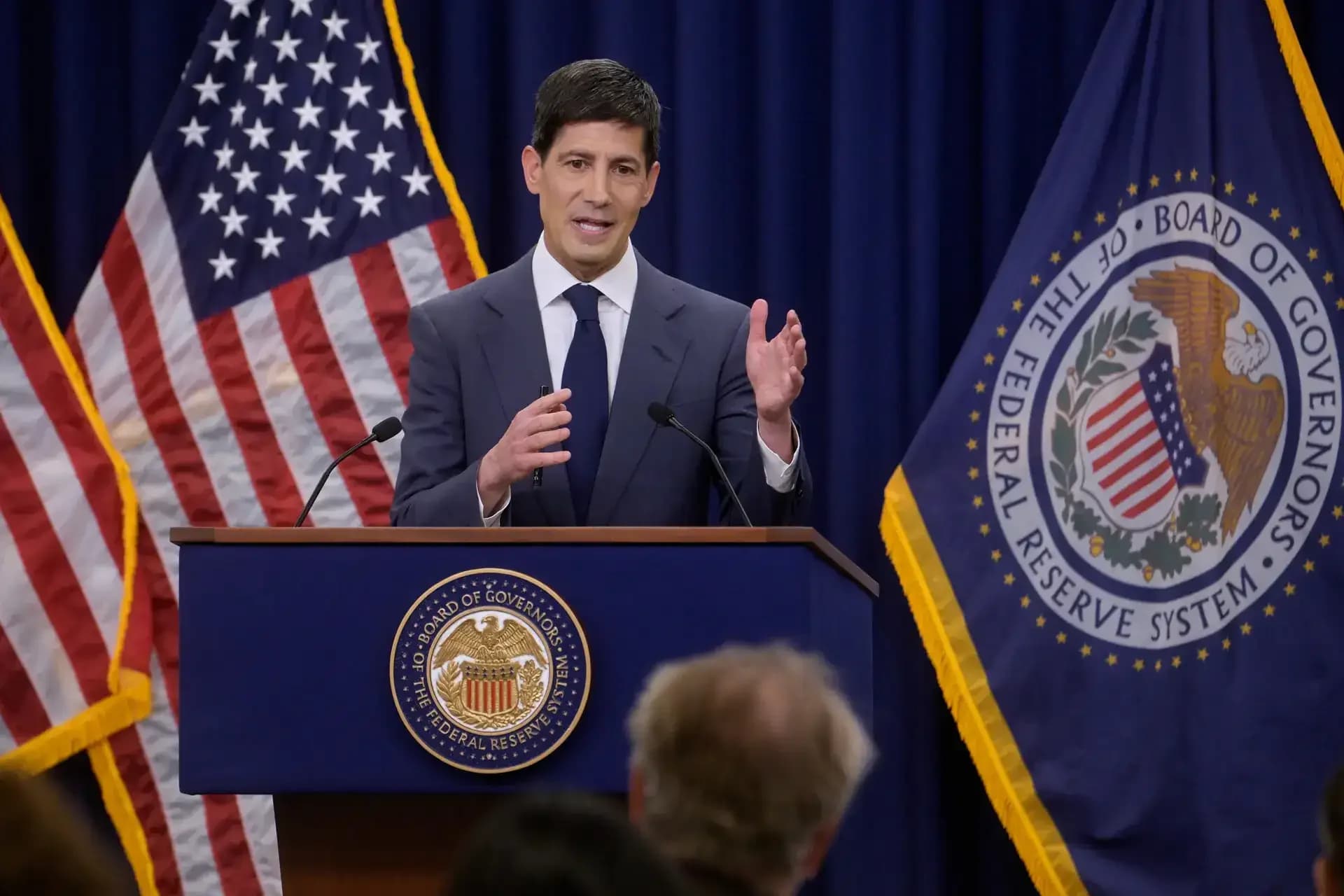
The Federal Reserve voted 9-3 to leave interest rates unchanged at the 3.5-3.75% range in its latest meeting, marking just the second such decision since Kevin Warsh became Fed chair on May 22. The decision drew three dissents from the 12-member panel, leading analysts to characterize it as a 'hawkish hold' that leaves the door open to future rate hikes. This represents a notable shift from previous meetings, as a Fed chair has never been in the minority on a vote about interest rates, leaving Warsh in a difficult position with his credibility potentially eroded within the Fed itself just months into the job. As reported by Seema Shah of Principal Asset Management, the dissents send a clear message: The Fed is not yet convinced the inflation battle has been won.
Federal Reserve Chairman Kevin Warsh's credibility has come under intense scrutiny following his recent press conference, with markets questioning his commitment to fighting inflation. As reported by Jon Hilsenrath of The Wall Street Journal, Warsh didn't convey the message clearly or explicitly about what would trigger him to eventually raise interest rates, leading the bond market to react negatively. The 30-year Treasury yield hit its highest level since 2007, with the 30-year yield spiking to 5.20% - the most inflation-sensitive maturity. Following the latest decision, futures markets briefly priced in a 77% chance of a September rate increase before pulling back to about 57% by late Wednesday, according to the CME's FedWatch tool. This represents a significant shift in market expectations, with investors now believing the Fed may need to act more aggressively later as economic conditions evolve.
The Fed's inflation targeting strategy has become increasingly unclear under Warsh's leadership, with the chairman's communication approach facing particular scrutiny. Consumer-price-index data showed prices declining by 0.4% in June, offering an opportunity for Warsh to highlight positive economic developments. However, his recent comments have raised concerns about his communication strategy. 'We will deliver the 2% inflation target,' he stated, which analysts view as an unfortunate formulation given that inflation still runs well above that mark. The Dallas Fed's Trimmed Mean PCE inflation rate is running in the low-2% range through May, which Warsh may be relying on to support his wait-and-see approach. However, core inflation has been rising too, and the resumption of Middle East hostilities threatens to keep energy prices elevated, suggesting that inflationary pressure will remain a threat for the foreseeable future. As reported by Calvin Tse of BNP Paribas, a jump in long-term Treasury yields on the news was a clear message from the market to Warsh that he should act, with investors questioning why he hasn't already taken action if he's committed to being tough on inflation.
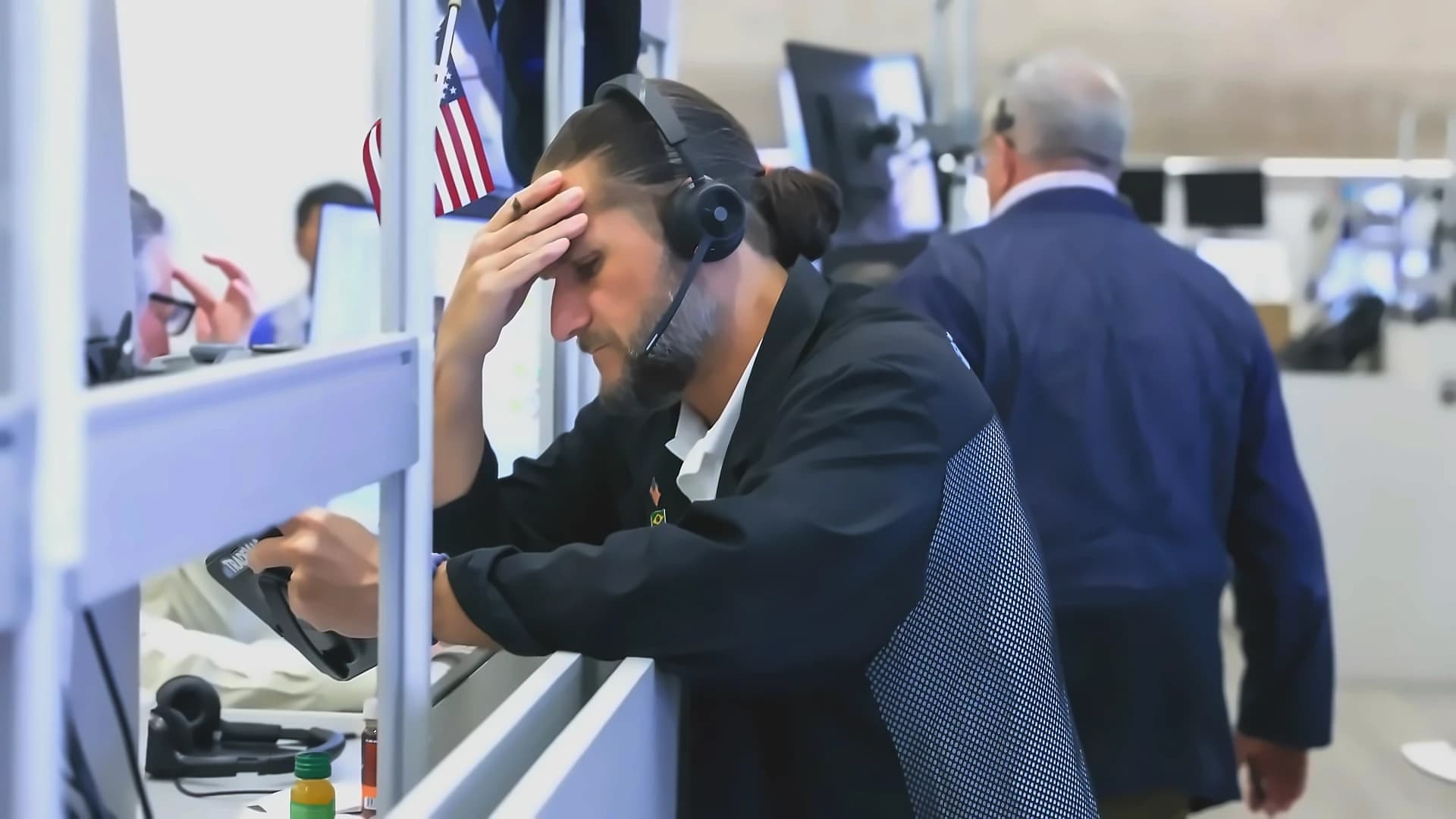
The Federal Open Market Committee has ended the practice of forward guidance that previous Fed chairs used to strongly signal future interest rate expectations, believing it made the Fed inflexible and obscured market signals. Markets headed into the meeting pricing in a roughly 36% chance of a rate hike, making it the most uncertain Fed decision since December 2018, according to Deutsche Bank. Each meeting we're now building more uncertainty around it than the last, said JP Powers, chief investment officer at RWA Wealth Partners. The Fed decision weighed on US stocks, while shorter-dated Treasury yields fell as investors unwound earlier bets on a July rate increase. As reported by Michael Arone of State Street Investment Management, Warsh is trading forward guidance for market guidance; he's allowing markets to find the right level for interest rates and inflation. This dynamic means investors must now parse economic data more closely rather than rely on Fed policymakers to highlight what matters most, representing a fundamental shift in how markets operate.
Despite tighter financial conditions from higher interest rates and energy price shocks, the economy shows concerning resilience that suggests excessive liquidity in the system. As reported by Investing.com India, equities are not appreciably declining despite higher interest rates, which is unusual given the economic headwinds. The analysis notes that interest rates have risen enough that even if the Fed sold all bonds in its portfolio, it couldn't drain nearly as much as they added during the 2020 stimulus period. This suggests potential shadow liquidity from sources like stablecoins may be supporting economic growth. Looking ahead, JPMorgan Chase believes this will add some urgency for the rest of the committee to act on its mandate, with the situation suggesting investors believe the Fed may need to act more aggressively later as economic conditions evolve. The 10-year Treasury yield has risen from around 4.50% in mid-June to 4.64% just ahead of the Fed's decision, reflecting market uncertainty about future policy direction, while for the month of July, the 10-year yield has risen by nearly 27 basis points, the largest monthly increase since March.