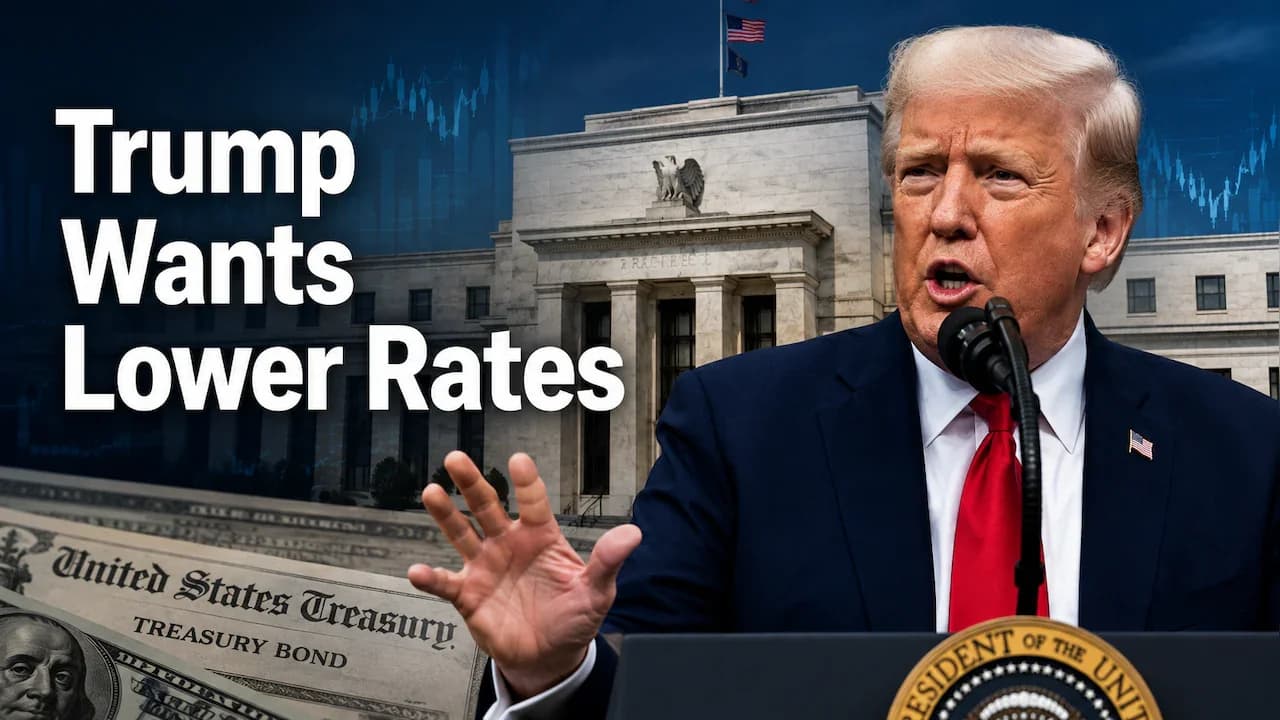
President Donald Trump is calling for the Federal Reserve to slash interest rates to 1%, a move that analysts fear could destabilize global markets. With mortgage rates and prices of essential goods surging, the administration faces criticism for rising inflation as midterm elections approach. According to The Economic Times, Trump's demands come as mortgage rates are nearing 7% and prices for staples like ground beef and gasoline are rising, highlighting affordability concerns. The Fed's preferred inflation measure was 3.7% in July and the bank doesn't expect that rate to fall to a 2% target before 2029, suggesting inflation could remain elevated throughout Trump's term. Some analysts view Trump's interest rate demands as a way to deflect from issues like high consumer prices ahead of the November midterm elections.
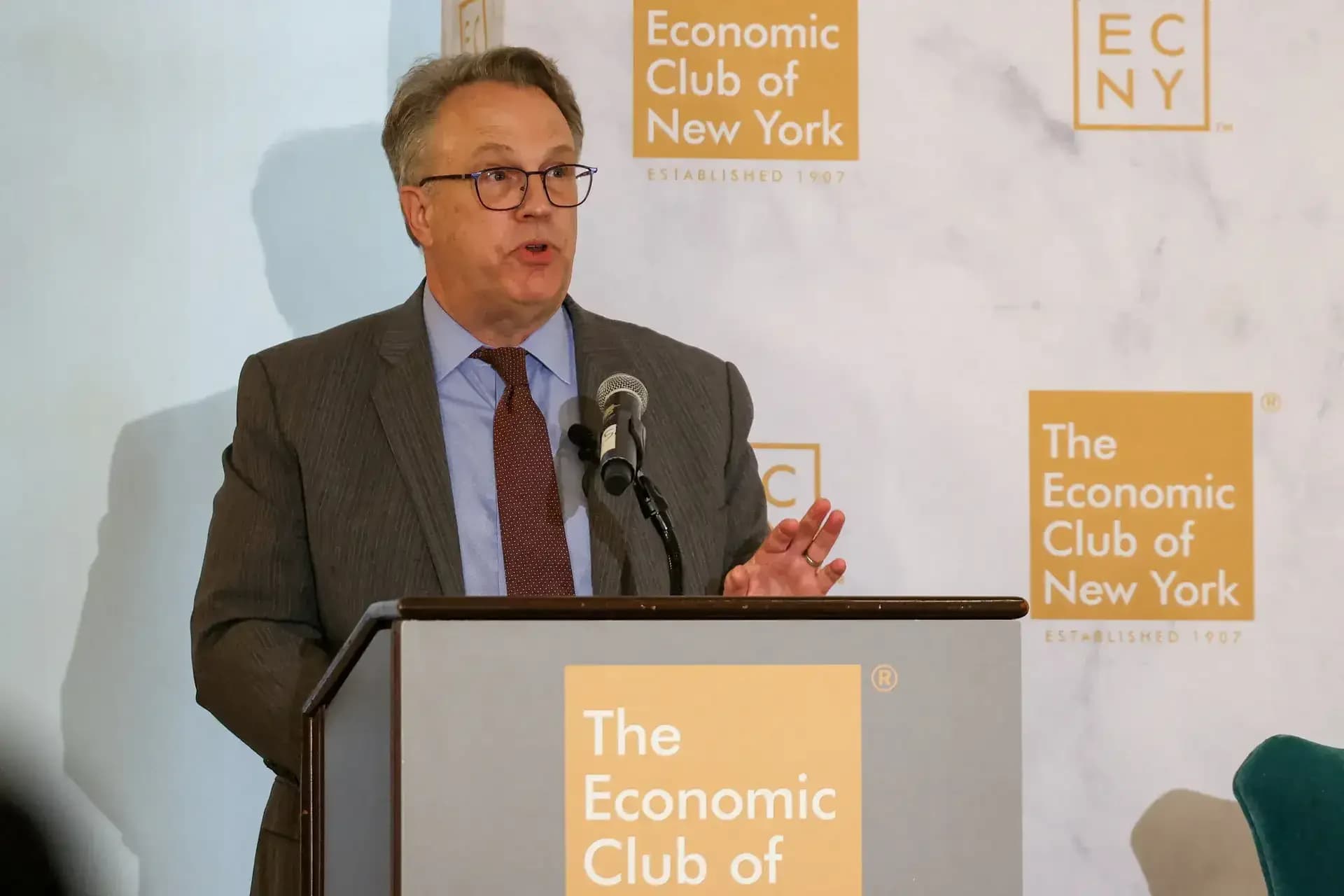
New York Fed President John Williams delivered strong defense of the central bank's monetary policy implementation system on Tuesday, emphasizing its effectiveness in interest rate management. According to Reuters, Williams stated that supplying ample reserves to the financial system with the current suite of tools to manage short-term interest rates has proven to be highly effective at delivering interest rate control and supporting the smooth functioning of core financial markets. Williams made these remarks in prepared opening remarks for a conference on the Treasury market at the New York Fed, though he did not address the outlook for monetary policy or interest rates in his remarks. The Economic Times reports that New York Fed official Roberto Perli, who manages the System Open Market Account, reinforced these statements, noting that the Federal Reserve has maintained strong control over interest rates while Treasury bill purchases have proceeded smoothly. Perli's comments came in closing remarks at a New York Fed event focused on issues affecting the Treasury market, as he oversees the technical implementation of monetary policy as the Fed works to meet its employment and inflation objectives.
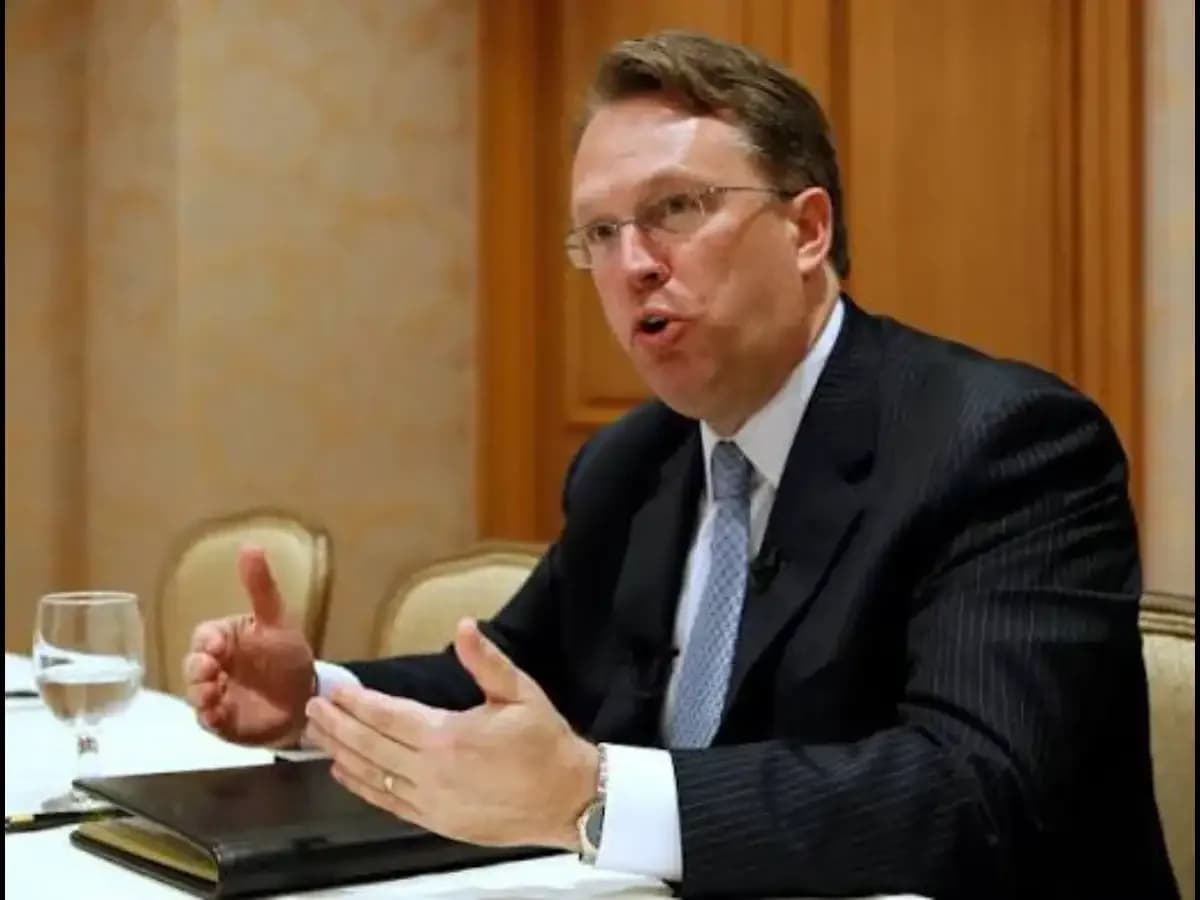
Fed Chair Kevin Warsh has maintained an independent stance despite Trump's pressure, with the president characterizing Warsh as being 'boxed in by a political' board after the Fed's recent rate hike. According to The Economic Times, Trump told Warsh in a phone call before the September 16 rate decision to go along with the majority if necessary, though Warsh has said he won't discuss conversations with Trump. Some allies of the administration privately praised Warsh after the rate decision, with one person involved noting that some figures close to the president say his interest rate demands should be seen less as a prescription and more as a way to deflect from issues like high consumer prices. Warsh has surprised analysts by laying out the case for higher rates, with Apollo Global Chief Economist Torsten Slok noting that Warsh has repeatedly said the Fed will deliver price stability, and Wednesday's rate hike shows that he means it.
Analysts warn that Trump's 1% rate demand would likely backfire and cause massive dislocation in the global financial system. As reported by The Economic Times, J. Benson Durham of DASM investment research firm stated that a 3-percentage-point cut by the Fed 'seems cataclysmic', with treasury rates climbing as investors price higher inflation. The proposal would likely result in the US government paying more to borrow than it does now in bond markets, with countries like Germany potentially soaking up capital by offering just a bit more to lenders than the US. A White House ally who liaises with Warsh told Reuters that 'if you mess up the bond market, it's good for the bond investor and no one else'. Despite these concerns, Trump has repeatedly called for ultra-low borrowing costs, arguing the US deserves them as the world's largest economy with the safest credit.
Williams highlighted the system's flexibility, noting that while the central bank's rate-control framework has worked well, it is not set in stone and can be adapted to changing market conditions. As reported by Reuters, he stated that as markets evolve over time, we must ensure that policy tools are fit for purpose to carry out their necessary functions. The Fed chief emphasized that the evolution of financial market structure leads to the evolution of how we carry out monetary policy effectively. This approach ensures the central bank can maintain effective monetary policy implementation while adapting to evolving market dynamics and regulatory requirements. The Economic Times reports that Perli indicated that the Fed's recent steps to add liquidity to the financial system should not be viewed as a predetermined course of action, with the central bank able to resume purchases of Treasury bills if market conditions required additional support for liquidity. Perli noted that from the perspective of monetary policy implementation, creating a centrally cleared version of the Fed's standing repo operations could provide several benefits.
The Federal Reserve's constitutional independence has come under renewed scrutiny following recent Supreme Court decisions. The Court's recent ruling in Trump v. Slaughter established that federal agencies exercising executive power must be subject to presidential control, creating uncertainty about the Federal Reserve's unique status. Justice Thomas dissented from the Court's decision, arguing that the Federal Reserve's independence from presidential removal violates Article II principles. However, the Court's majority opinion relied on historical precedents, noting that the Federal Reserve follows in a distinct tradition of central bank independence that has long coexisted with Article II executive power. This constitutional debate highlights the tension between maintaining monetary policy independence and the broader principle of presidential control over executive agencies.