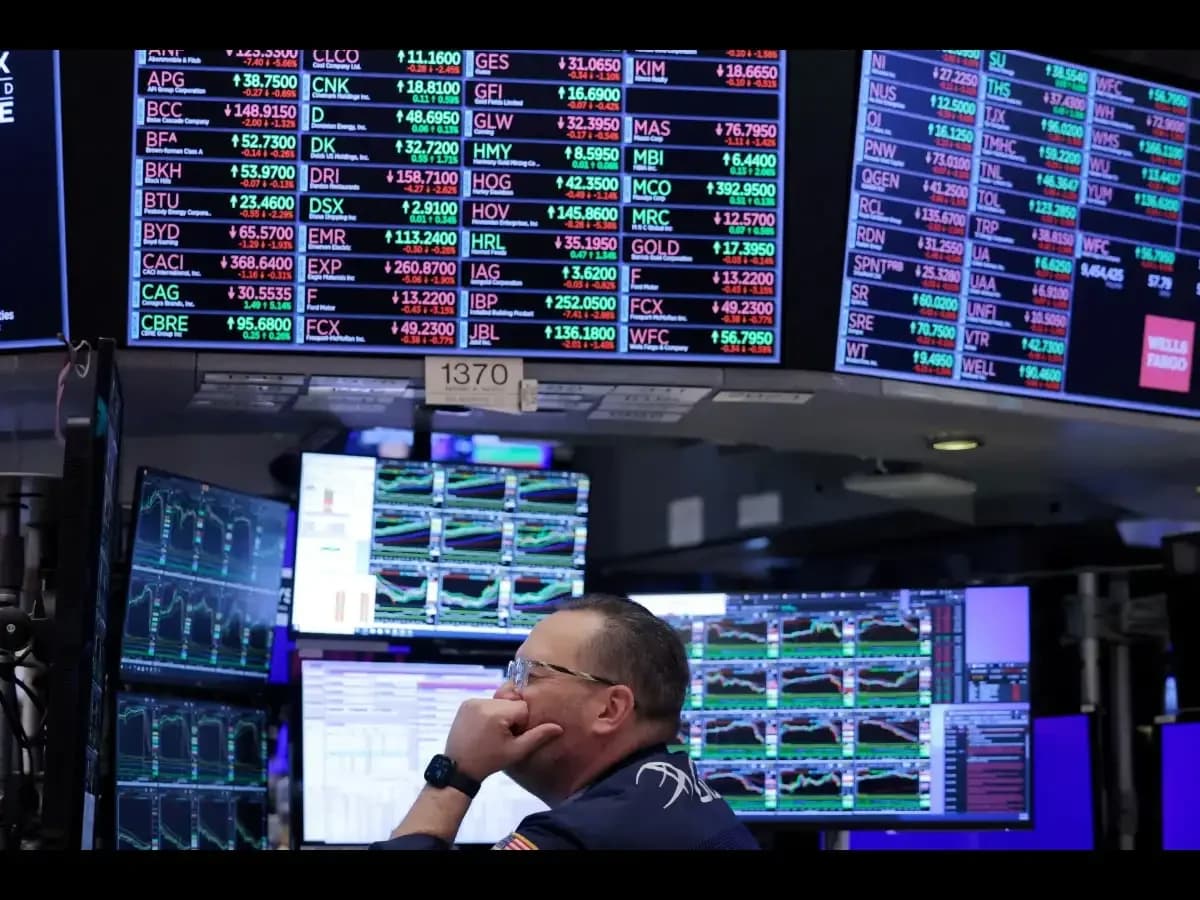
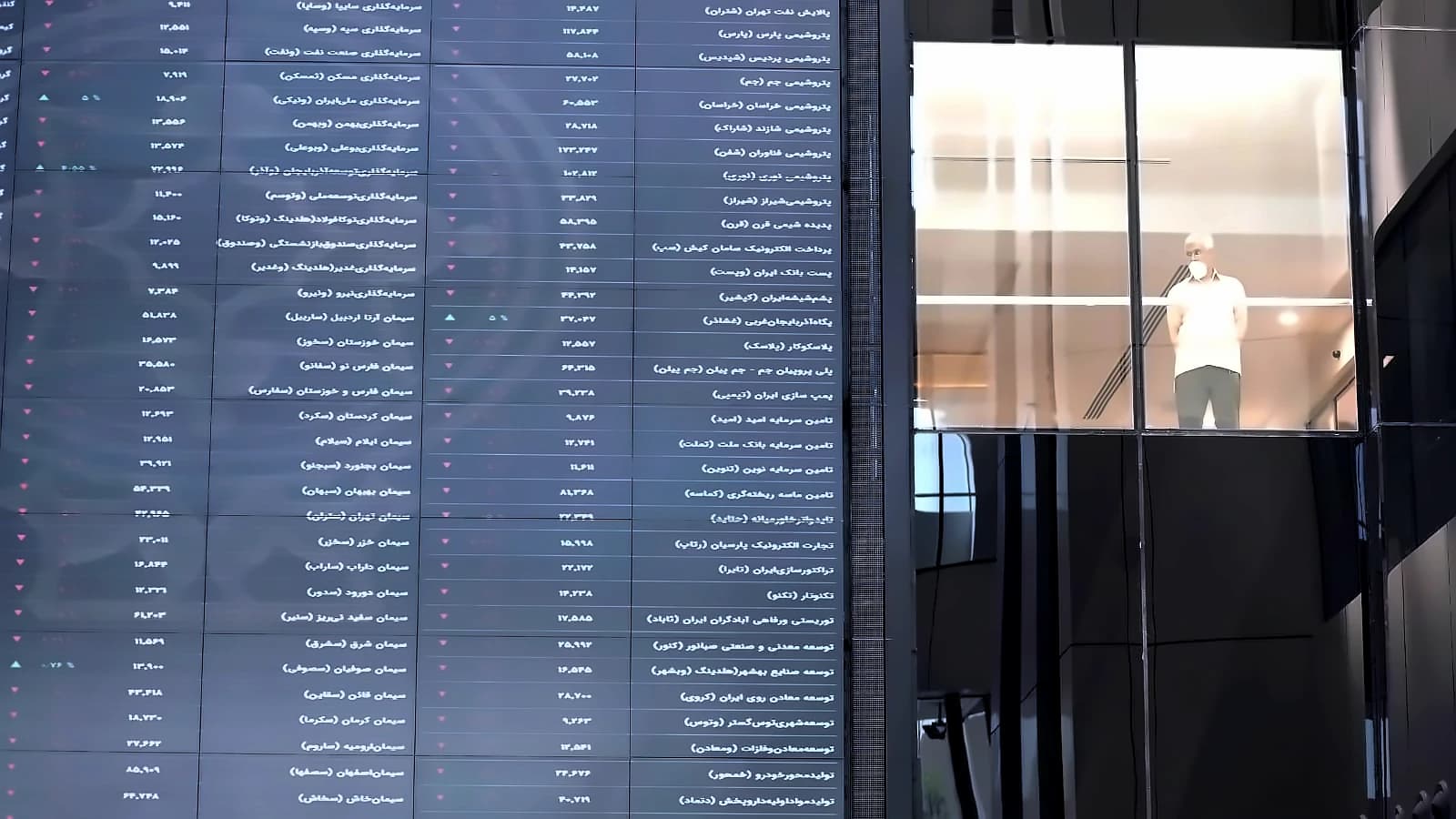
Iran's Tehran Stock Exchange reopened on Tuesday after remaining shut for nearly 80 days during the conflict, with the first stock market transactions of 2026 commencing at 9:00 AM on Tuesday, May 19, according to domestic media outlets. While the benchmark TEDPIX index rose 2,500 points to close at 3,716,000, the reopening marks the end of one of the longest trading suspensions in the exchange's history due to the ongoing conflict. The suspension was officially triggered by wartime conditions and damage sustained by certain industrial infrastructure, as reported by official sources. As per IRIB, Iran's state broadcaster, the reopening decision was intended to "safeguard investors' assets, curb emotional decision-making, and foster a trading environment with more accurate and transparent information."
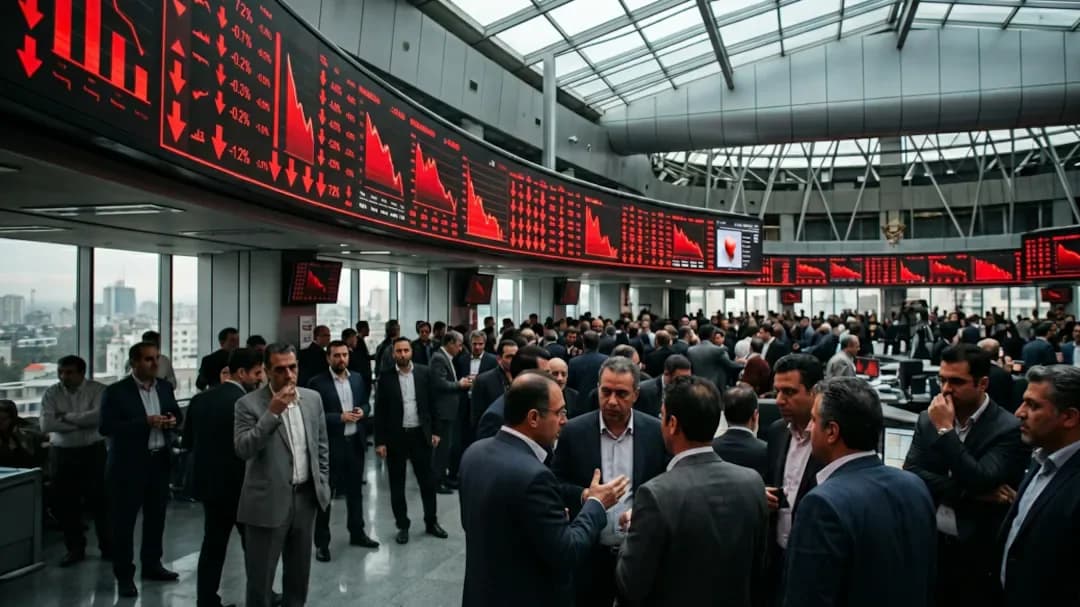
Despite the benchmark index's gains, market breadth remained severely weakened, with only 28% of listed stocks ending in positive territory, as reported by Roya News and Arab News. Nearly 72% of shares either declined or remained flat during the session, highlighting broad-based weakness beneath the headline gains. This disparity between the index performance and individual stock movements indicates selective buying in specific sectors while broader market sentiment remains cautious. The reopening represents a crucial step in restoring normal market operations after the extended suspension period, with the first-day performance significantly better than the TSE's previous post-war reopening when more than 99% of listed stocks fell during the 12-day war with Israel in June 2025.
More than 40 company tickers remained suspended from trading due to war-related disruptions, with some companies suffering infrastructural damage during U.S. and Israeli airstrikes, according to Roya News and Sunday Guardian Live. These suspended tickers primarily belong to the chemical and basic metals sectors and are currently unable to return to trading due to shutdowns or disruptions in the operations of petrochemical and steel plants. Among the reactivated tickers, only select banking and automotive companies have been permitted to return to the trading board, indicating strict sector-specific restrictions based on operational capabilities. The TSE extended trading hours by one hour on Tuesday and Wednesday to give listed companies additional time to disclose war-related financial information, as reported by Al Jazeera.
The reopening saw significant trading activity with the value of buy orders reaching approximately 1,575 billion tomans and the volume of the sell queue hitting 10.3 trillion tomans on the first day, as reported by Asr Iran news website. Additionally, a number of leveraged funds, whose reopening had previously been shrouded in ambiguity, entered the market today subject to a strict sale limit of 100,000 units. This controlled reopening approach reflects the exchange's cautious approach to restoring normal market operations while managing the residual effects of the conflict on various market segments. The TEDPIX had reached an all-time high of nearly 4.5 million points at the start of 2026 before falling sharply due to nationwide protests and a 20-day internet shutdown, with small investors withdrawing around 107.8 trillion rials (approximately $66.5 million) between January 8 and February 21, 2026.