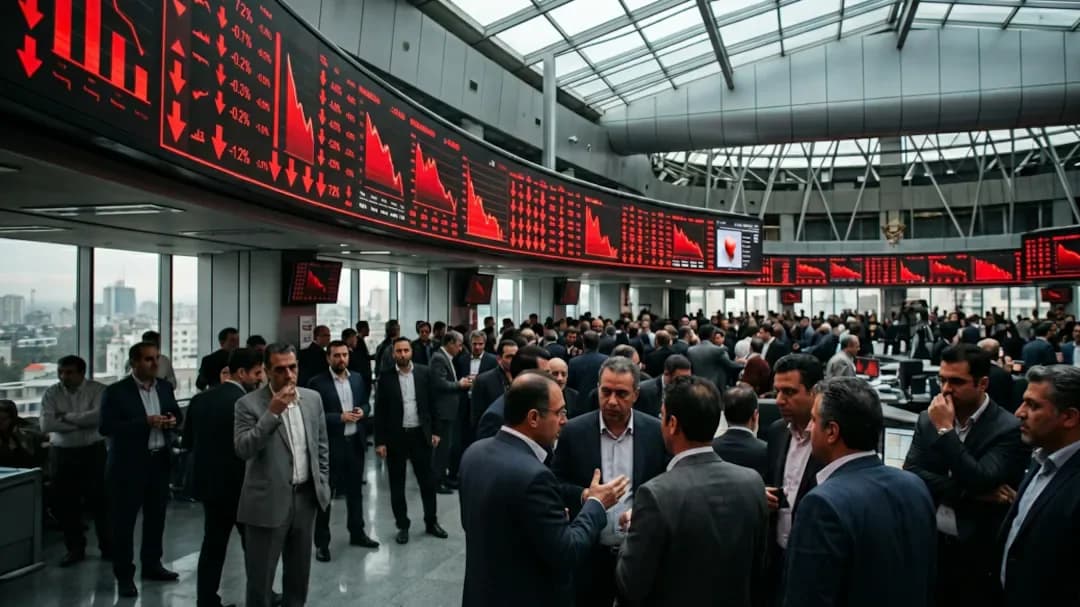
Iran's Tehran Stock Exchange officially resumed operations on Tuesday, following an 80-day closure since the beginning of the US-Israeli conflict. The trading session operates from 11:00 AM to 2:30 PM IST, representing an extension of 4 hours from the previously announced 10:00 AM to 2:00 PM local time schedule. The exchange's main index, TEDPIX, last traded on February 24, 2026, approximately 4 days before the war began with a US attack on Iran on February 28, 2026. The reopening comes after a similar though much shorter 9-day suspension during the June-July 2025 Israeli strikes on Iran, when the TSE also paused before resuming operations. As per Moneycontrol, the Iranian equity market operates via an automated electronic system and features two primary tracking indices: TEDPIX (Tehran Dividend and Price Index) and TEPIX (Tehran Price Index).
The stock market suspension was implemented to protect shareholder assets and prevent panic-driven trading during the conflict period. As reported by Reuters, Hamid Yari, deputy supervisor at the Securities and Exchange Organisation, explained that the suspension aimed to "protect shareholders' assets, prevent panic-driven trading and allow for more transparent pricing conditions." The decision came as the conflict created widespread disruption across Iran's economy and infrastructure, with missile strikes reportedly damaging industrial facilities and business hubs in several cities including Tehran, Isfahan and Qom. The Iranian government also imposed sweeping internet and mobile network shutdowns during the conflict and subsequent nationwide protests. The regulatory body, the Securities and Exchange Organization (SEO) of Iran, initially froze all trading in equities, funds, and derivatives to prevent panic-driven capital flight, protect retail shareholder assets, and stabilize pricing conditions.
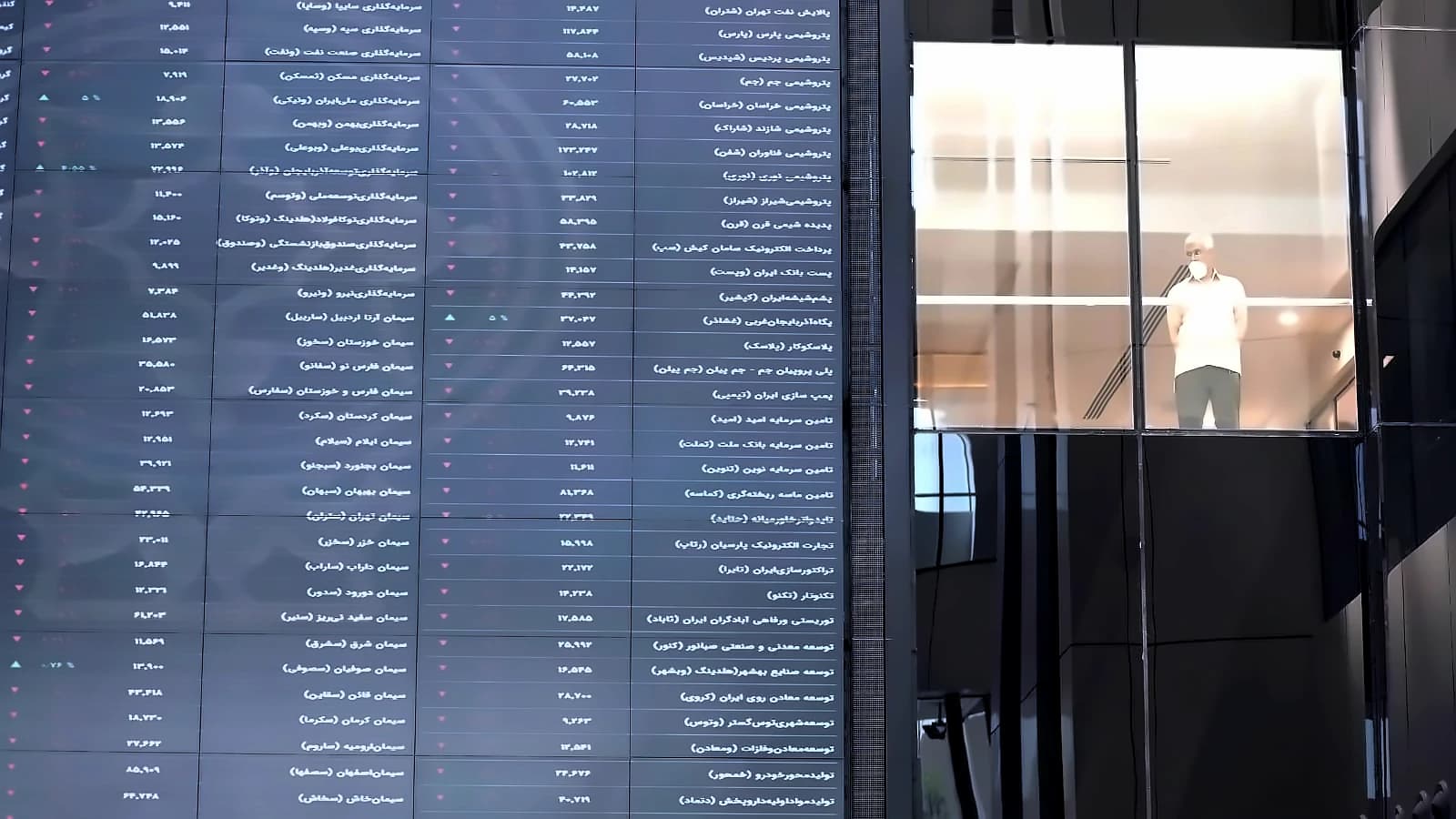
The reopening is taking place through a phased approach, with only companies not directly damaged by the war resuming trading in the first phase. Steel companies and petrochemical firms that suffered production losses, infrastructure damage or unclear recovery timelines will remain suspended for now. This phased restart is specifically designed to avoid a disorderly sell-off, as opening damaged petrochemical companies whose production has halted and recovery costs are unclear would likely trigger sharp price drops and create volatile market signals. The extended closure gave companies additional time to assess physical damage caused by the conflict and evaluate financial losses before resuming public trading, with many large state-backed corporations reportedly holding internal shareholder meetings privately during the suspension period. As per Moneycontrol, with the reopening of the stock market, we will see the full resumption of all capital market sectors.
The shutdown had effectively paralysed Iran's capital markets for nearly three months, with the Tehran Stock Exchange becoming even more disconnected from major global financial systems due to Western sanctions. Before the conflict escalated, TEDPIX had climbed to a record high of nearly 4.5 million points at the beginning of 2026. However, the market later came under pressure after nationwide protests intensified in January, followed by a 20-day government-imposed internet blackout that disrupted business activity and financial transactions. The crisis has severely impacted investor sentiment inside Iran, with millions of retail investors holding equity positions unable to access or move their savings for 80 days during the wartime economic hardship. The 3.7 million points pre-closure level reflected the market before the war's full economic damage was priced in, and on reopening, investors will price months of war-related damage, supply chain disruption, and infrastructure destruction into share prices simultaneously.
The Iran stock market reopening affects Indian investors primarily through crude oil price signals, as the Tehran Stock Exchange includes major oil and gas sector companies. If the reopening signals broader economic and diplomatic normalisation in Iran, it could ease Strait of Hormuz fears and reduce the geopolitical risk premium baked into crude oil prices currently above $104 to $111 per barrel. Every $5 reduction in Brent crude significantly improves India's current account deficit, reduces OMC under-recoveries and creates scope for the rupee to recover from its 96.17 record low. However, if the reopening is disorderly and signals economic chaos within Iran, it could maintain pressure on Indian OMCs, the rupee and the broader Nifty. Indian retail and institutional investors cannot directly invest in the Tehran Stock Exchange or TEDPIX due to Iran's SWIFT banking exclusion, OFAC sanctions and absence of custodian banking relationships between India and Iran, making the reopening a macroeconomic signal event rather than a direct investment opportunity.