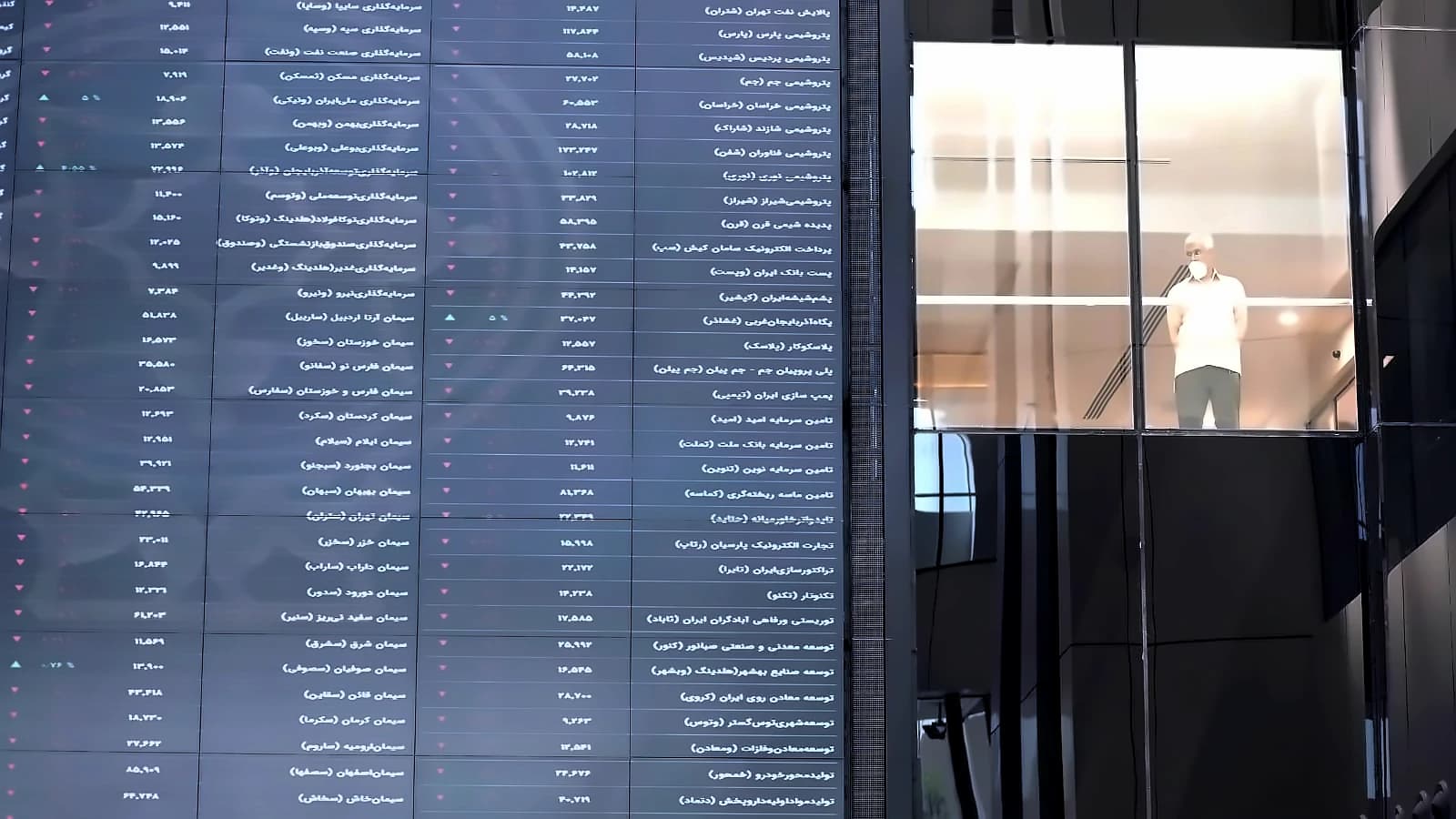
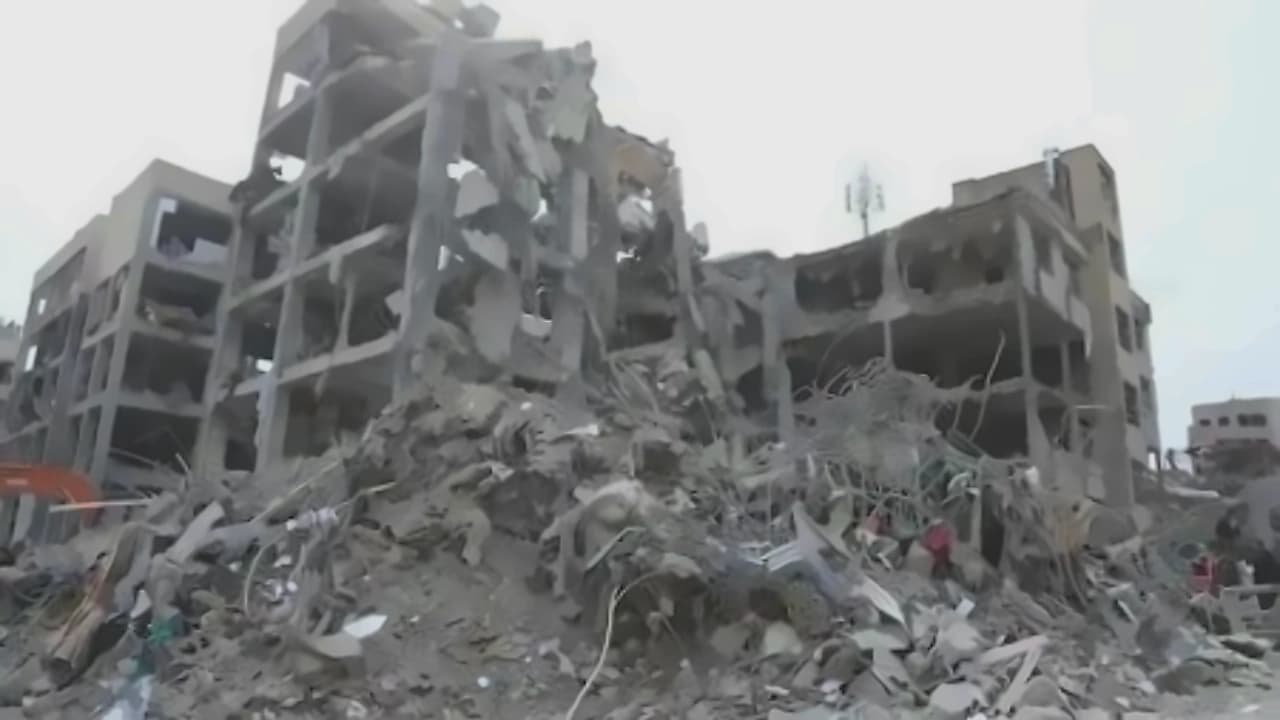
Iran's Tehran Stock Exchange is set to reopen this Tuesday after an 80-day closure caused by the US-Iran war that began on February 28, 2026. The conflict brought heavy strikes and major disruptions to the Strait of Hormuz, forcing the market to shut down completely. Now, with a fragile ceasefire in place, over 10 million local investors are watching anxiously as trading resumes. According to market analysts, many worry about pent-up selling pressure, falling oil prices, and fresh risks to the vital shipping route, while some see signs of resilience and possible recovery.
President Donald Trump has signaled possible US military strikes on Iran while warning of nuclear escalation, creating uncertainty in global markets. According to reports, Trump capped his warnings with a Truth Social image referencing nuclear escalation, prompting crypto traders to brace for a risk-off trading session. The escalation comes as Trump warned Iran that 'the Clock is Ticking' for a deal, adding that 'there won't be anything left of them' without one. Verified flight trackers show a US Air Force airlift moving weapons and gear to bases across the region, further intensifying market concerns. Trump's latest message on May 17 read: 'For Iran, the Clock is Ticking, and they better get moving, FAST, or there won't be anything left of them. TIME IS OF THE ESSENCE,' as he was due to speak with Israeli Prime Minister Benjamin Netanyahu.
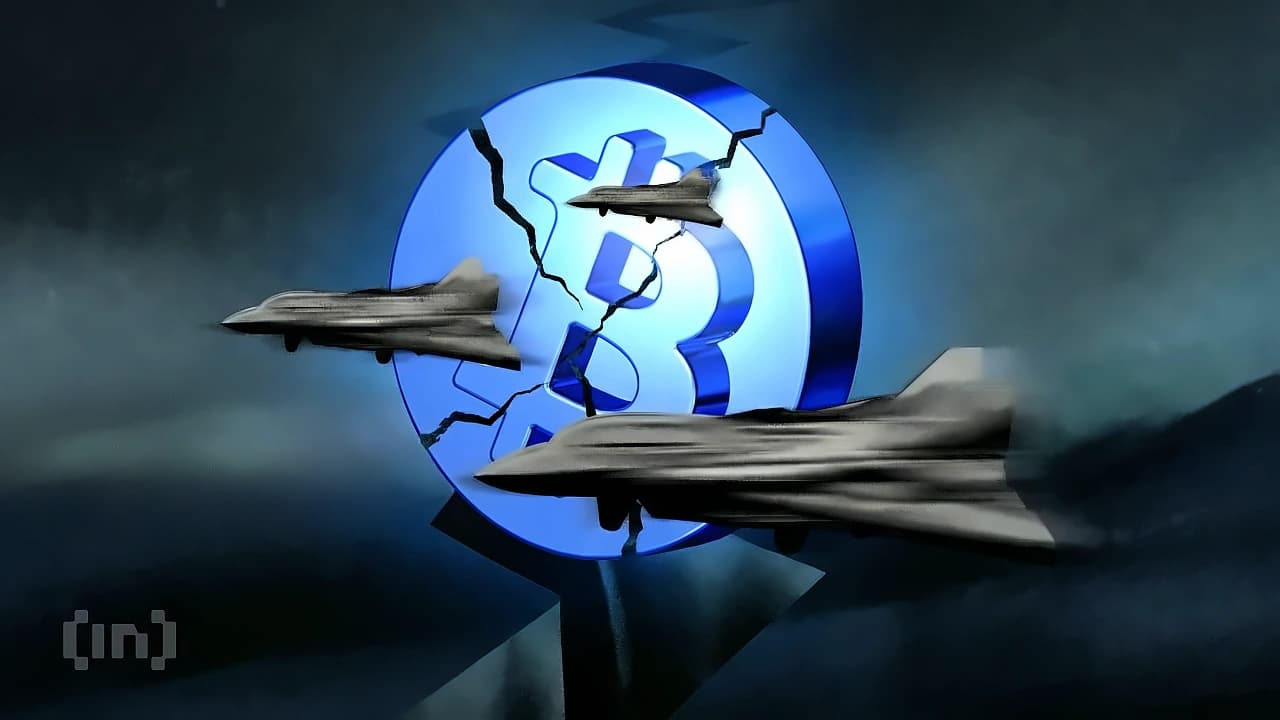
Trump is expected to convene a Situation Room meeting Tuesday to review military options against Iran, with Vice President JD Vance, Secretary of State Marco Rubio, and Defense Secretary Pete Hegseth set to attend. As reported, this meeting has put markets on edge as investors prepare for potential military action. The reaction reflects fears of an oil-flow shock and renewed inflation pressure, with traders likely to trim risk exposure into the start of the trading week. Despite the geopolitical tensions, the S&P 500 has actually held up well despite the sell-off in riskier assets like individual stocks and crypto, with market analysts suggesting that after every red year (or years), green eventually showed up. The current year is red after the Iran conflict but remains early, with the -3% decline being basically flat when viewed in historical context.
The Strait of Hormuz, through which roughly a fifth of global oil supply passes, has experienced significant disruptions during the conflict. However, recent diplomatic progress shows signs of improvement - a Japan-linked vessel has successfully transited the Strait of Hormuz and is now heading home after direct diplomatic engagement between Tokyo and Tehran, according to Iranian outlet Borna reported on May 14. Iran's Foreign Minister Abbas Araghchi has stated that the Strait of Hormuz remains open to all commercial vessels provided they coordinate with the Iranian navy. Despite these developments, Iran has maintained a posture of military readiness since the ceasefire, with officials repeatedly warning of a decisive response should hostilities resume.
Bitcoin (BTC) traded near $78,312 on Sunday, down roughly 4% over the past week, while Ether (ETH) sat near $2,188 after a 7.5% weekly drop. According to market data, both assets enter the headline-driven session technically vulnerable to further volatility. The crypto market decline reflects broader risk-off sentiment as investors position defensively amid geopolitical uncertainties, though the overall market resilience suggests potential for recovery as geopolitical tensions ease. While higher energy prices from the blockage in the Strait of Hormuz could increase the odds of a Fed rate hike, it's really hard to tell what the future holds as a new Fed chair, Kevin Walsh, looks to take his seat.