South Korea's exports experienced a remarkable surge in October, rising 93.7% year-on-year to $115.3 billion, according to the latest data from South Korea's Ministry of Trade, Industry and Resources. This represents the sharpest export jump in more than 50 years and exceeded the median forecast of 93.2% growth in a Reuters poll. The surge was boosted by having more working days than the previous year due to timing differences in the Chuseok holidays, contributing to the exceptional performance. Working-day adjusted exports also rose 76.1% to $115.3 billion, marking the second-largest monthly figure on record after September's $121.1 billion. Following September's record haul, October's performance topped $110 billion for a second consecutive month, demonstrating sustained momentum in the export sector.
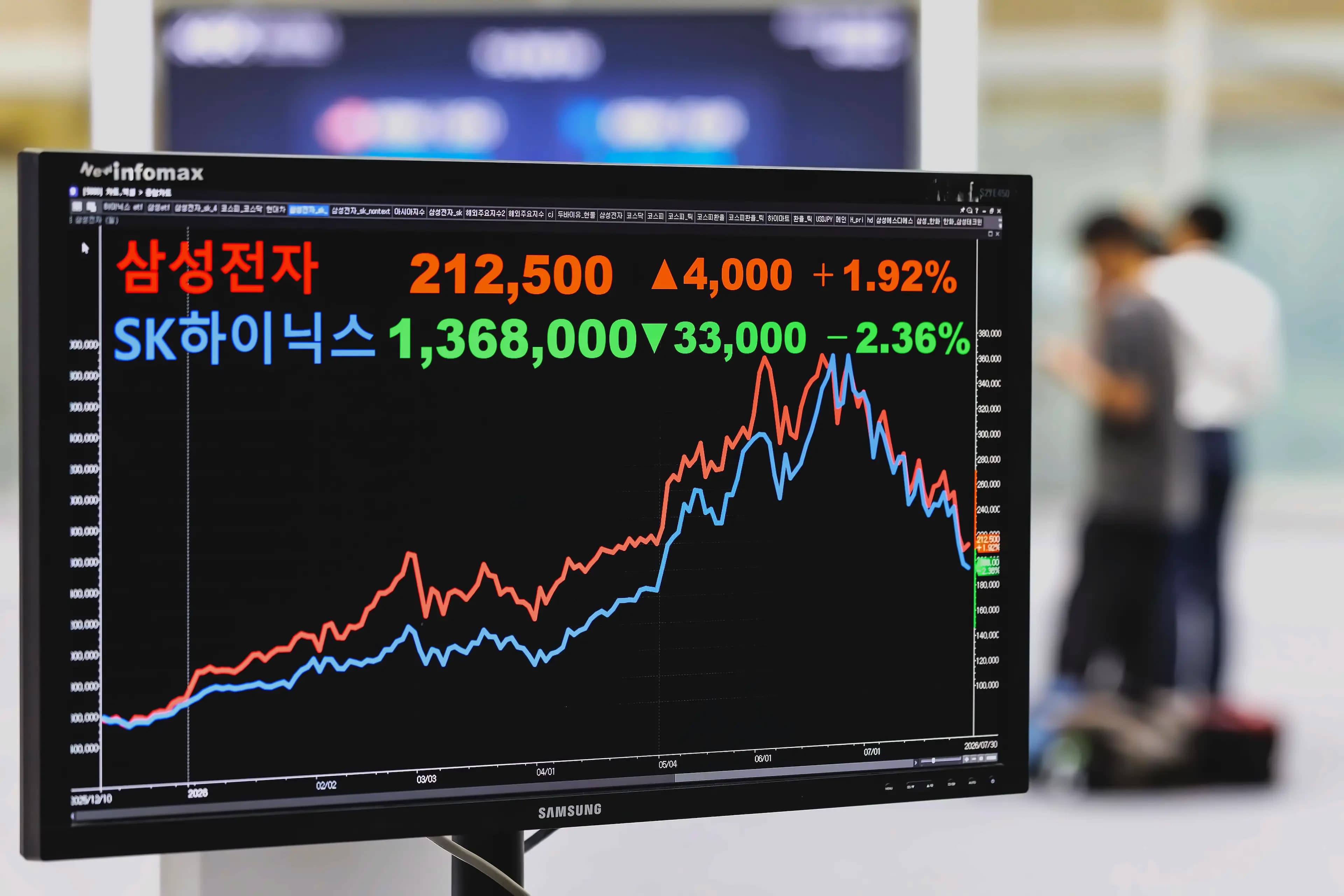
The exceptional export performance was primarily driven by robust global demand for AI investment, which boosted shipments of South Korea's semiconductor chips. As reported by the Ministry of Trade, Industry and Resources, semiconductor exports totaled $56.4 billion, surging 259% from a year earlier, marking a second consecutive month above $50 billion and the second-largest monthly performance on record after September's $60.3 billion. Capital spending by global big tech firms seeking an edge in artificial intelligence kept both export prices and volumes high. Computer exports rose 497% to $5.85 billion, helped by expanding investment in server infrastructure and growing demand for server solid-state drives. Semiconductors' share of total exports soared to about 49%, with the fixed contract price for DDR5 16Gb rising from $40 in June to $50 in October, while NAND flash 128Gb climbed from $28.8 to $30.6 over the same period. Exports excluding semiconductors also rose 34%, with 18 of the top 20 export items posting gains, while auto exports rose 18.1% to $6.55 billion, the highest for any October on record. By item, exports increased for 18 of the 20 major export categories, with cosmetics rising 57.5% to $1.44 billion, biohealth growing 30.2% to $1.53 billion, and electrical equipment such as transformers, wires and cables rising 74% to $1.99 billion.
South Korea's export growth was broad-based across major markets, with shipments to China rising 133.6% to $26.98 billion, to the US growing by 185.8% to $24.9 billion, and to ASEAN increasing by 128% to $21.33 billion, according to the Ministry of Trade data. Exports to China were helped by strength in semiconductors, petrochemicals, wireless communication devices and general machinery, while US exports benefited from AI-related items such as semiconductors, computers and electrical equipment alongside automobiles and steel. Exports rose in seven of the nine major markets, with petroleum products and petrochemicals posting significant gains of 80% and 27.5% respectively, though shipment volumes fell 7.5% and 6.8% due to higher export prices tied to rising global oil prices. The nation's imports also increased significantly, rising 36% to $72.78 billion due to higher crude oil prices. Exports to ASEAN surpassed $20 billion for a second consecutive month, demonstrating sustained regional demand strength.
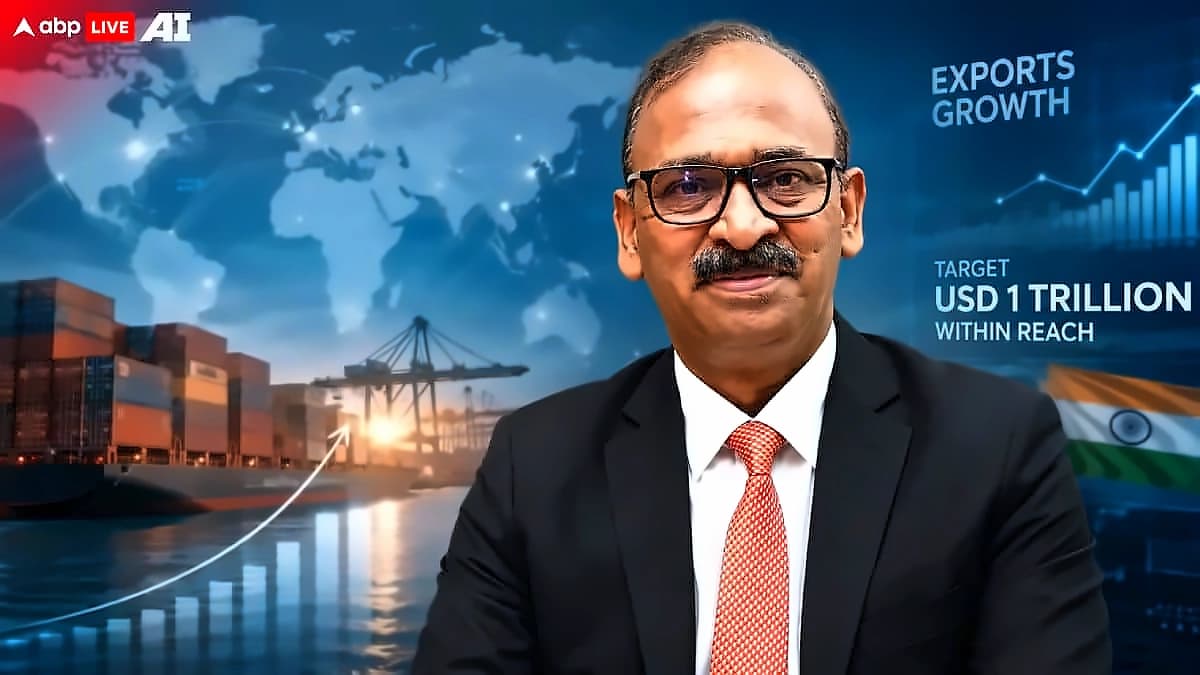
South Korea is now on track to achieve a historic milestone, with cumulative exports for January through October reaching $930 billion, up 60.6% from the same period a year earlier. This marks the first time exports have topped $900 billion over the January-October period, with only $70 billion remaining to reach $1 trillion in annual exports. Trade Minister Kim Jung-kwan stated that with exports continuing solid growth above $110 billion in October, hitting $1 trillion in annual exports during November is all but certain. The monthly trade balance posted a $42.5 billion surplus, exceeding $40 billion for a second straight month, while the cumulative January-October trade surplus reached $294.9 billion, swelling by $239.1 billion from the same period a year earlier. Minister Kim emphasized that the government will strengthen trade cooperation with major countries and actively resolve corporations' export difficulties so that even small and midsize corporations can broadly share in the gains of export growth, concentrating policy capabilities accordingly. BOK Governor Shin Hyun-song confirmed that South Korea is on course to exceed $1 trillion in annual shipments for the first time in 2026, which would make it the fourth economy to reach this milestone after the United States, China and Germany.
The strong trade data adds significant pressure on the Bank of Korea to raise interest rates in November after policymakers stood pat in October to assess the impact of consecutive increases in July and August. Inflation data due on November 3 will provide another key input before the BOK's decision on November 26. The economy expanded 1% in the third quarter from the previous three months, beating economists' forecasts for a 0.8% gain, though private consumption fell 0.2%, underscoring the uneven benefits of the semiconductor boom. Facility investment jumped 4.1%, but the divergence between strong industrial growth and weak household demand complicates monetary policy decisions. The BOK expects growth in 2026 and 2027 to substantially exceed its August projections of 3.3% and 2.9% respectively, pointing to continued strength in semiconductor exports and investment. Governor Shin said monetary policy will remain restrictive until officials are confident inflation will converge to the bank's 2% target, with the BOK also releasing updated growth and inflation forecasts with its November rate decision. Inflation remains a constraint on policymakers even as household demand struggles, with consumer prices rising 2.9% in September from a year earlier and core inflation excluding food and energy at 2.8%, both well above the BOK's target.