India's exports have demonstrated remarkable resilience with 19.6% growth in July, taking aggregate exports to over $40 billion despite global economic uncertainties. According to FIEO Chief Ajay Sahai in an exclusive interview with ABP Live English, this growth trajectory is driven by India's diversification strategy in both markets and products. The robust performance comes as merchandise exports are leading the growth, creating significant employment opportunities in the manufacturing sector through blue-collar jobs rather than the traditional white-collar positions in services.
India is positioned to achieve its ambitious $1 trillion export target for the current fiscal year, with merchandise exports already reaching $174 billion in the first four months. As reported by ABP Live English, Sahai projects merchandise exports to reach $510-520 billion for the full year, while services exports are expected to contribute $475-480 billion. This would require approximately 15% growth in India's exports for 2026-27, with the country already achieving one-third of its annual target in the initial four months.
The electronics sector has emerged as a major growth driver, with exports reaching $48 billion last year and now accounting for over 11% of total exports. According to Sahai's analysis, electronics are positioned to become India's second-largest export category within the next three years, surpassing only engineering goods. This growth is supported by India's diversification strategy and the implementation of Free Trade Agreements that enhance manufacturing competitiveness through access to raw material imports.
India has successfully diversified its export markets, particularly in gems and jewellery which have moved into Israel, China, and the Middle East markets. As reported by ABP Live English, the sector is now looking at Russia as a potential market. In marine exports, India achieved 15% overall growth despite losing one-third of its marine seafood exports to the US market due to tariff changes. The diversification strategy, which normally takes two to three years, has been accelerated by the US tariff war, with industry realizing the importance of avoiding dependence on any single market.
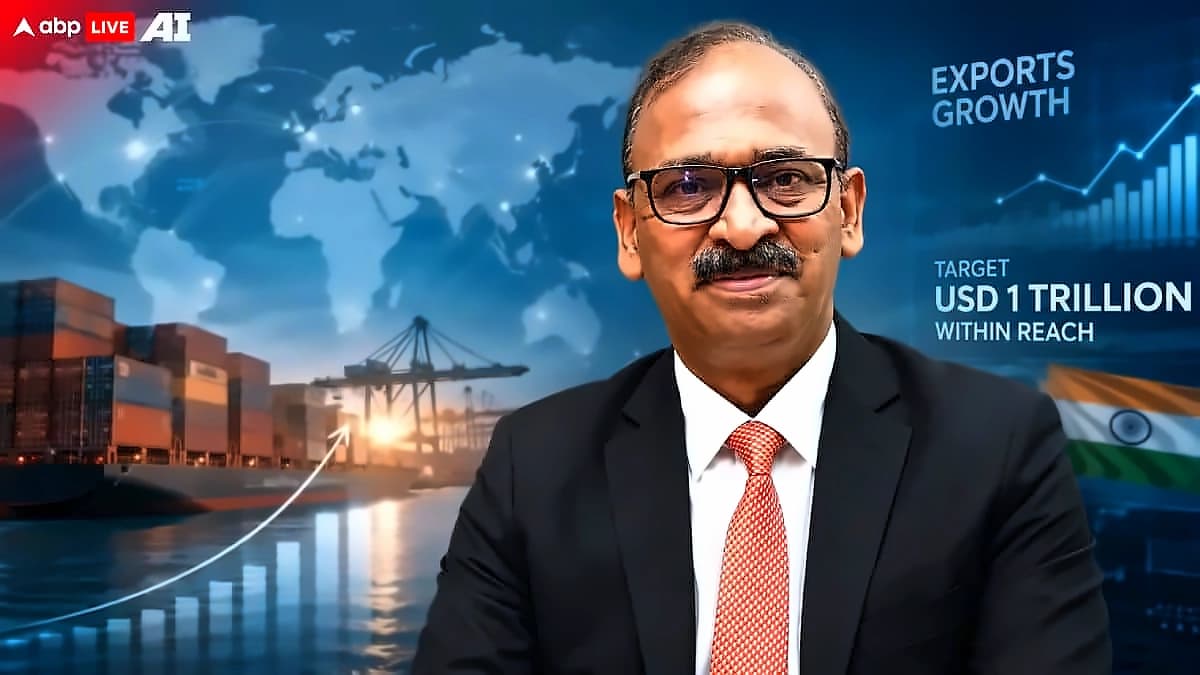
Free Trade Agreements have significantly enhanced India's export competitiveness by making manufacturing more competitive through access to raw material imports. The UK FTA has become operational, with tariffs on leather (16%), apparel (12%), and handicrafts/carpets (10%) coming to zero. According to Sahai's assessment, labor-intensive sectors are expected to benefit substantially once FTAs with the EU and US are rolled out, as these geographies impose higher tariffs on industrial goods compared to normal industrial goods. The PLI scheme augmentation is also expected to drive exports as additional production capacity will need global market outlets due to domestic market limitations.