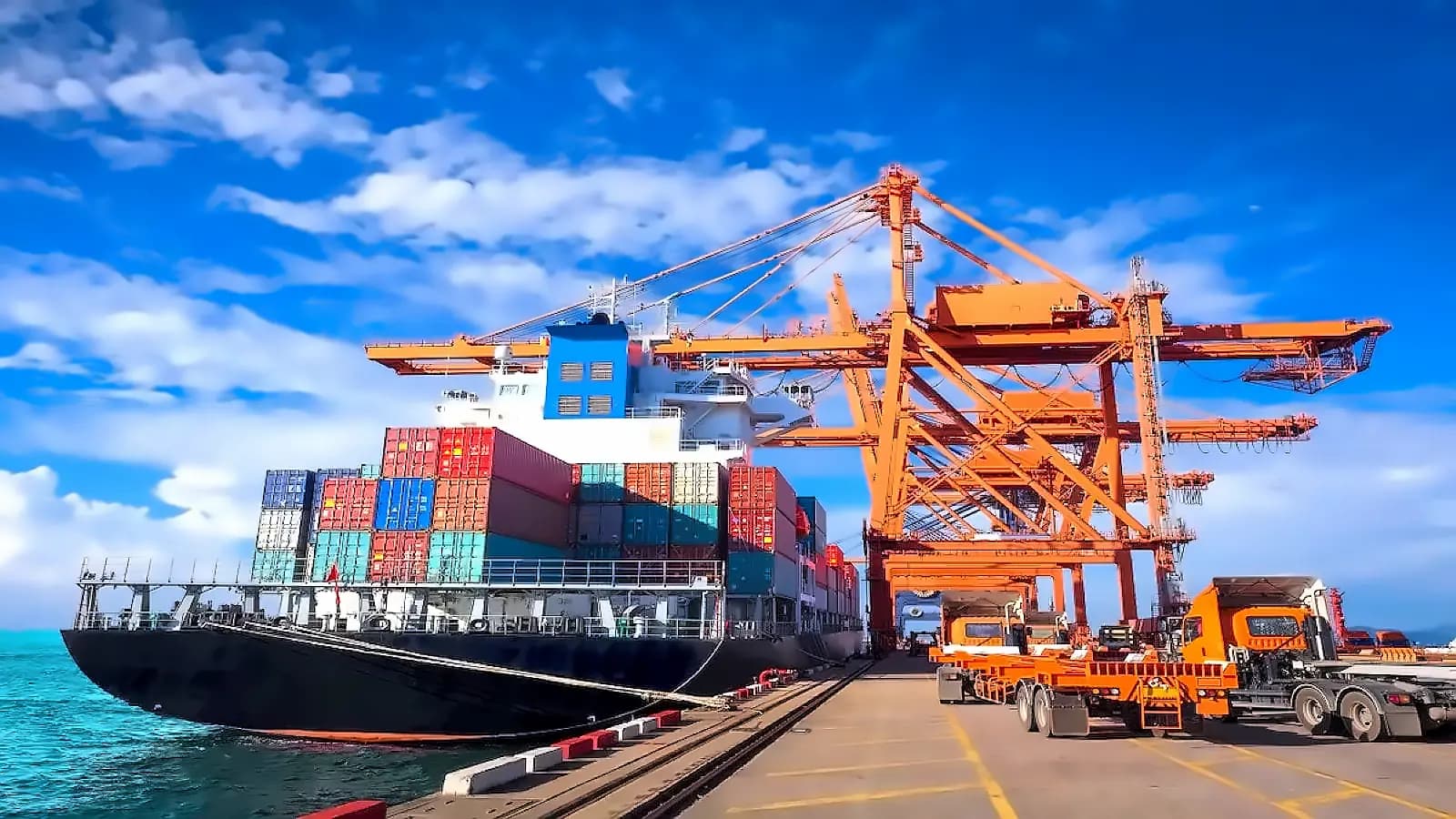
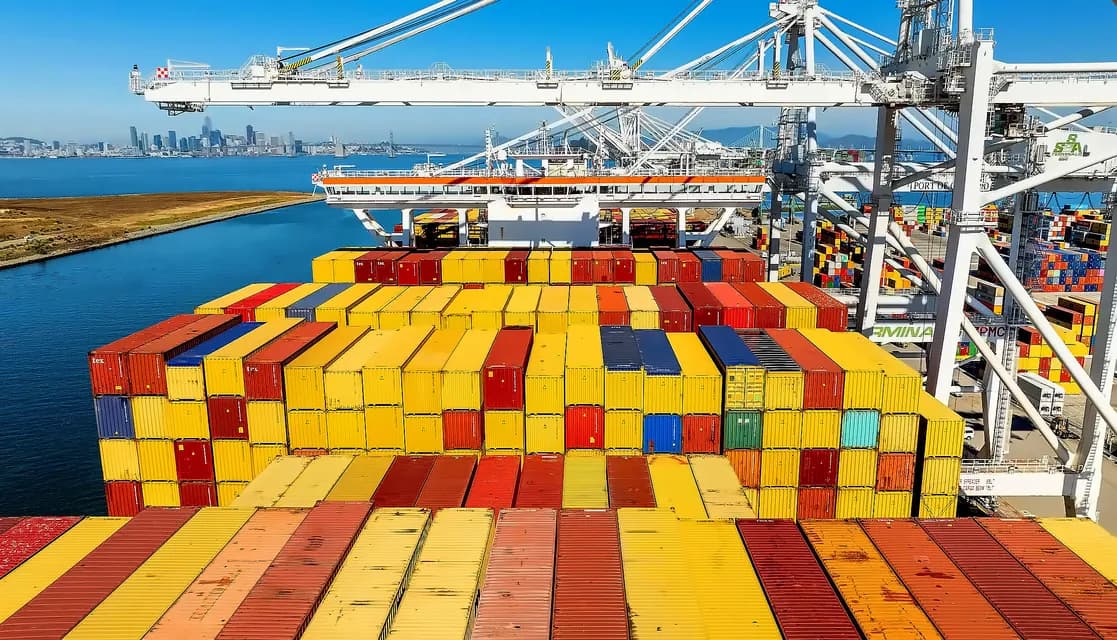
China's trade performance significantly outpaced market expectations in June, with exports climbing 27% year-on-year - the strongest growth in four months, according to data released by the General Administration of Customs. This performance exceeded the 19.4% increase recorded in May and the 18.2% rise projected by economists surveyed by Reuters, demonstrating robust demand for Chinese goods. Imports surged 36%, marking the fastest growth in five years and accelerating from May's 27.4% growth, while the trade surplus reached $125.6 billion - the second-biggest ever recorded. As reported by Associated Press, the strong trade figures reflect China's position as a key beneficiary of the global AI infrastructure boom, with the June data exceeding market expectations for both exports and imports, highlighting the resilience of China's trade sector. The year-to-date trade gap now stands at $575.98 billion versus $585.96 billion last June, despite imports having grown faster than exports for several consecutive months.
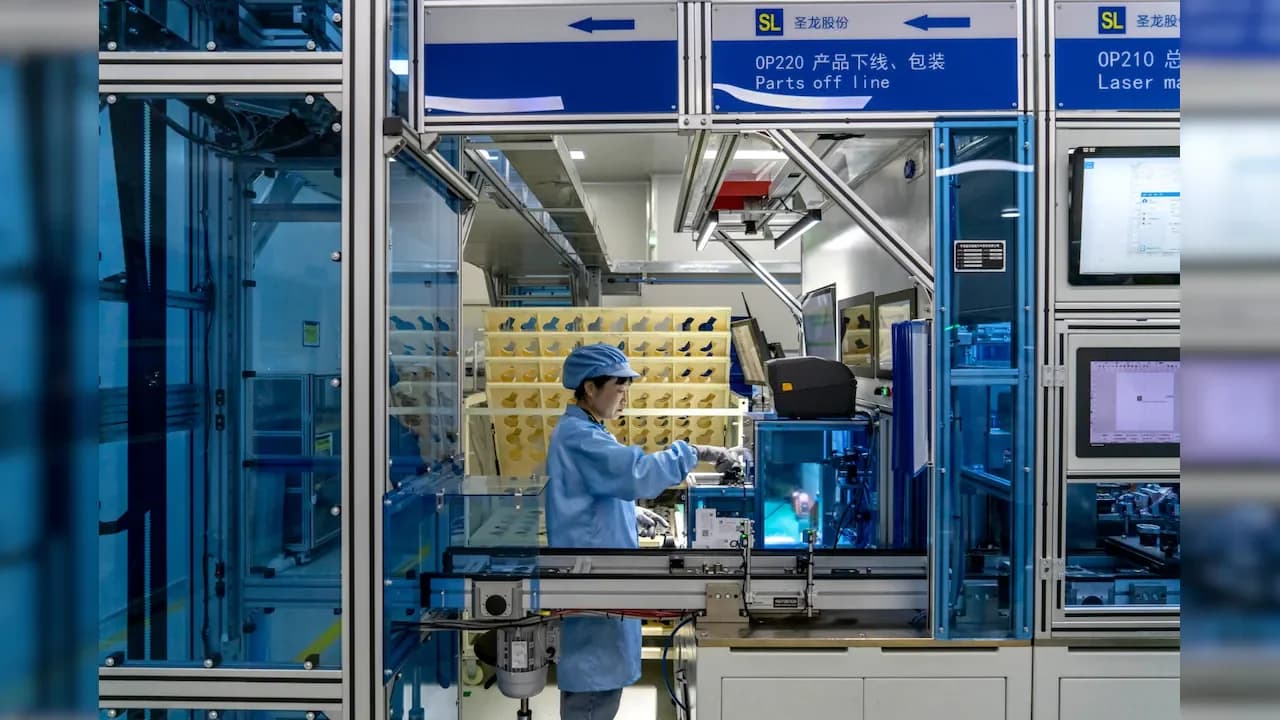
The surge in trade performance is primarily attributed to rising global demand for AI infrastructure, advanced electronics, and capital equipment, according to Hao Zhou, chief economist at Guotai Junan International Holdings. The artificial intelligence frenzy has created a historic shortage for semiconductors and other electronics, with chip prices soaring as much as 700% over the past year. This has turbocharged trade across Asia, with South Korea and Taiwan benefiting significantly from the semiconductor shortage. The race to build AI data centers has emerged as a new boom cycle for exporters, supporting Chinese manufacturing exports despite external challenges. China's exports of vehicles, especially EVs, and other tech-related products have boomed as rapid expansion of AI use increases demand for semiconductors and electronic equipment. The stronger-than-expected trade data suggests China's overseas shipments remained robust during the month, while import demand strengthened amid improving domestic activity and higher purchases of raw materials and intermediate goods. As Julian Evans-Pritchard, head of China Economics at Capital Economics, noted, "This predominantly reflects the recent surge in semiconductor prices on the back of the AI boom. But even putting that aside, foreign demand for Chinese goods remains robust."
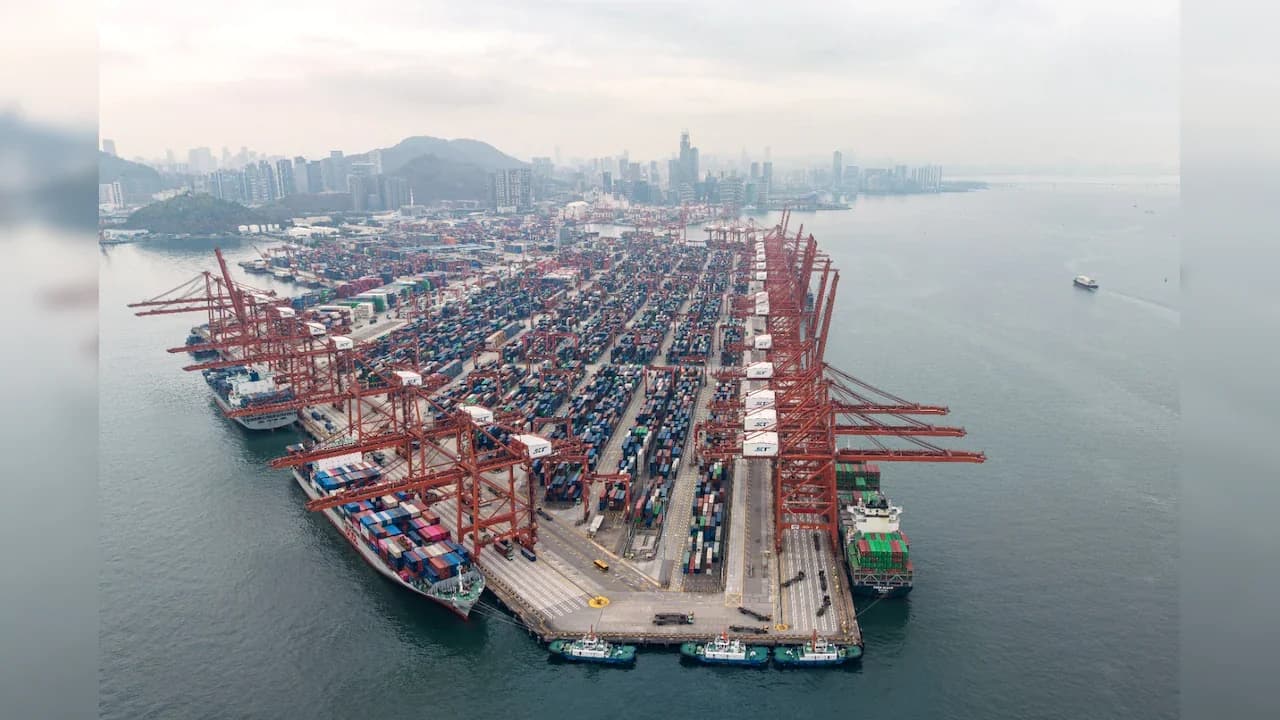
China has been actively diversifying its export markets to reduce dependence on traditional partners and bypass trade barriers. Exports to Southeast Asia in June surged nearly 35% from a year ago, while those to the European Union and Latin America increased more than 18% and 28%, respectively. Exports to the United States climbed almost 14% from a year earlier, with China's shipments to the U.S. rising in recent months partly due to declines in shipments a year earlier after President Donald Trump returned to office last year and implemented higher tariffs. This geographic diversification strategy reflects China's efforts to bypass barriers such as higher tariffs and maintain export growth momentum. However, Wei Li, Head of Multi-Asset Investments at BNP Paribas Securities (China), warns that "China's export growth is likely to continue, but it is becoming increasingly fragile," noting that robust shipments in autos and AI-related items will remain dependent on global demand and regulatory barriers. China is now localizing production and exporting more to developing regions to bypass trade barriers and maintain growth momentum.
Despite the positive trade performance, China faces significant challenges in domestic demand growth. Retail sales remain pretty flat and fixed asset investment was negative last month, according to Xu Tianchen, a senior economist at the Economist Intelligence Unit in Beijing. With policymakers still short of a fix for a protracted property crisis that has weighed on domestic demand for several years, Chinese manufacturers appear to have few good options beyond selling overseas. The ratio of annual exports to total manufacturing sales hit 24% over the first four months of this year, according to a recent report by Gavekal Dragonomics, the highest level since China's accession to the World Trade Organization in 2001. In 2019, the ratio stood at 18.3%, rising to 22.3% last year. "That would be considered high for a small export-focused country; for the world's second-largest economy, it is remarkable," the report said. Chinese leaders have sought to boost consumer spending through various initiatives, including trade-in subsidies for autos and home appliances. But many ordinary Chinese have been feeling the pressure from a slowing economy and avoiding big-ticket purchases. Last week, the International Monetary Fund raised China's annual growth forecast by 0.2 percentage point to 4.6%, but it said it expects China's economy to expand just 4.1% in 2027.
The strong trade data has boosted investor confidence in Chinese markets, with the robust performance expected to support export-oriented manufacturers, industrial firms, shipping companies and commodity-related stocks. According to Reuters, the upbeat data could also lift broader Asian markets by easing concerns over China's growth outlook. The offshore yuan remained little changed and 10-year government bond yields steady at 1.74% following the announcement, while the positive figures indicate resilient external demand and stronger domestic consumption despite lingering global trade uncertainties. The strength in export manufacturing has helped to offset weakness in domestic spending and investment, providing a positive signal for the world's second-largest economy as policymakers seek to sustain growth momentum. However, the export-heavy composition puts further pressure on trade tensions between China and its trading partners, particularly Europe, as the country continues to rely heavily on overseas buyers. China is set to announce its economic growth data for the April-June quarter on Wednesday, with Chinese leaders having set an annual growth target of 4.5% to 5% for this year, slightly lower than the 5% growth in 2025. Policymakers including those in the U.S. and in Europe have warned of elevated trade deficits against China, with global concerns about trade imbalances continuing to influence market sentiment.