Former Bangladesh Prime Minister Sheikh Hasina has announced plans to return to Bangladesh in December despite facing a death sentence back home where her party is banned. The 78-year-old leader, who has been living in exile in New Delhi since being ousted from power in August 2024, stated she intends to return alongside senior members of her Awami League party and surrender before the courts. "They may arrest me on my return, they may even kill me," Hasina said in the interview with Reuters. "Still, I have to go," she added, emphasizing her determination to return to her homeland where her parents are buried and where their blood was shed. "My party leaders and workers are being subjected to tremendous repression. If death comes, I want it to come on my own soil," Ms. Hasina told Reuters. A return could sharpen political divisions in the garment-export powerhouse as the government in Dhaka seeks to restore stability after two years of upheaval.
The announcement follows a landmark ruling by Bangladesh's International Crimes Tribunal, which sentenced Hasina to death after convicting her of crimes against humanity related to the 2024 student-led demonstrations. The tribunal held her accountable for ordering or failing to stop the fatalities of demonstrators during the political unrest that ultimately led to the fall of the Awami League government. In the same verdict, the tribunal handed a death sentence to former Home Minister Asaduzzaman Khan Kamal and a five-year prison sentence to former Inspector General of Police Chowdhury Abdullah Al-Mamun. The judicial body additionally directed the state to confiscate the properties of both Sheikh Hasina and Kamal. According to a UN report, the crackdown led to 1,400 people being killed during the student-led protests.
Hasina fled to India in August 2024 after weeks of violent anti-government protests forced her from office, ending her nearly 20-year rule. A war-crimes court sentenced her to death in absentia last November for ordering a crackdown that killed as many as 1,400 people. Bangladesh's interim government later initiated multiple legal cases against her, including allegations linked to corruption and the crackdown on protesters, all of which she has denied. According to Reuters, Hasina alleged that Awami League leaders and workers have been targeted since the party lost power, with cases filed against almost all of their leaders and workers, many of whom are currently in hiding. She has organized the Awami League remotely, holding online meetings covering 125 of Bangladesh's 300 parliamentary constituencies.
The former Prime Minister told Reuters that she believes in justice and wants to prove the court system's fairness. "I believe in justice, and I feel that once proceedings start, it will be clear to the people how farcical the court is — and that I want to prove it," Hasina stated. She indicated that if convicted, she may not be able to contest elections, but questioned why the Awami League should be suspended if voters decide their fate. "If we have done badly, let the people decide," she said, emphasizing that the right to judge governments belongs to the people. Hasina stated her intention to surrender before judicial courts upon her return, testing Dhaka's handling of its most prominent political opponent. She urged Awami League leaders to follow her example, saying "Cases have been filed against almost all of our leaders and workers, and many of them are in hiding. So I said that this time I am returning home, and one day, all of you should come. Altogether, we will all surrender in court."
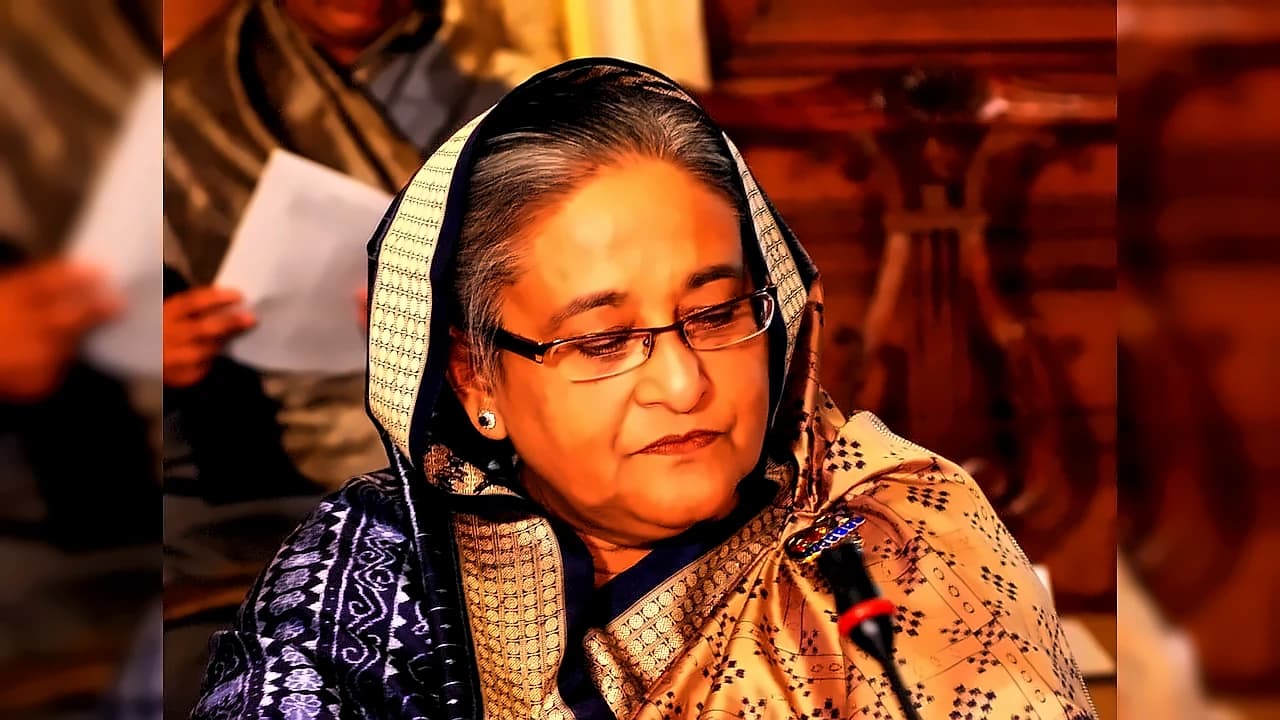
Bangladeshi authorities have repeatedly sought Hasina's extradition from India, but the former Prime Minister insisted she would return voluntarily. As reported by Reuters, Hasina stated that "the authorities in Dhaka 'want to take me back, they are repeatedly sending letters to India seeking to have me sent back," but she emphasized "I will go myself." Bangladesh repeatedly urged India to extradite Hasina, while the Indian Foreign Ministry stated in April it seeks to "engage constructively with the new government and further strengthen bilateral ties," leaving her return to potentially sharpen or mend regional divisions. Her decision to return to Bangladesh represents a significant political development in the country's post-Awami League era, with the party facing mounting legal and political pressure since losing power. Hasina revealed she has been in touch with Dhaka over her plans to return, stating "Democracy, voting rights, the political rights of the Awami League and justice are not subjects for secret talks."