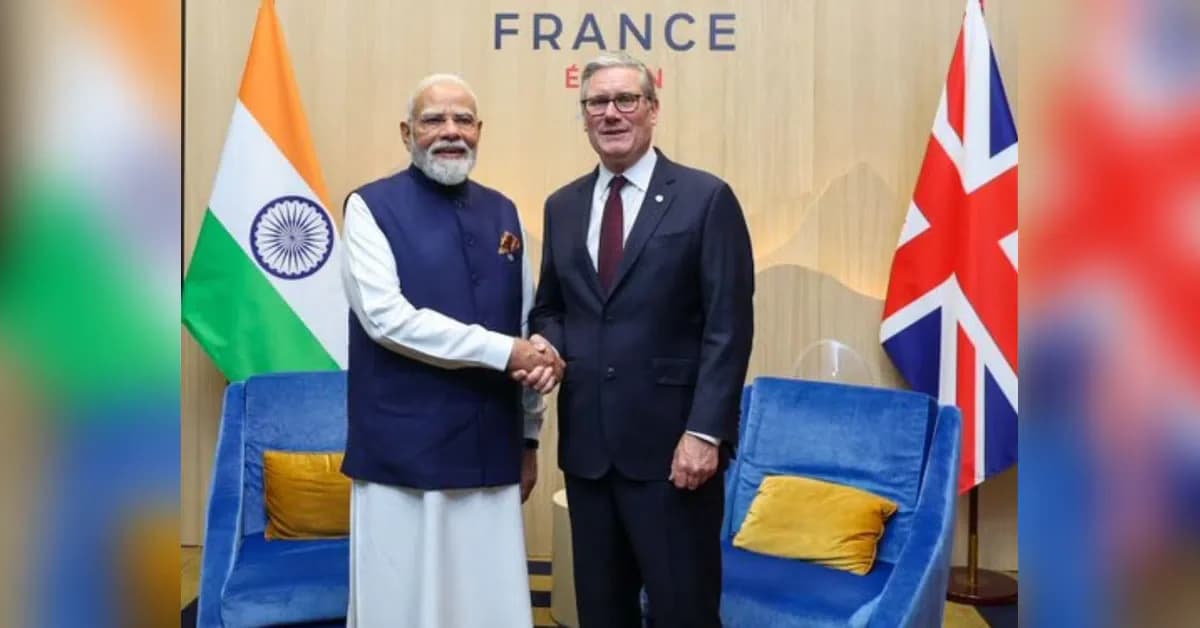
British Prime Minister Keir Starmer has officially resigned as Prime Minister, confirming he stepped down as both party leader and head of government after Labour MPs staged an open revolt against his leadership. According to Business Standard, Starmer's announcement came amid mounting pressure for him to make way for a new leader capable of reviving the government's declining fortunes. Starmer announced on Wednesday that he would remain in post until the leadership contest is complete, saying "I will remain in post as prime minister until the contest is complete, and I will do everything I can to ensure an orderly handover of power." The resignation follows Trump's prediction just one day earlier on Saturday, when he said Starmer had failed badly on energy and immigration, and demanded the UK open North Sea oil. Around 100 Labour MPs formally wrote to Starmer, asking him to step down, with the revolt marking the end of a tenure that began with a historic Labour landslide in 2024. Starmer's 717-day tenure makes him the sixth occupant of 10 Downing Street to leave office in just over a decade, extending one of the most turbulent periods in modern British political history where no leader has completed a full term.
Starmer has asked the National Executive Committee of the Labour Party to set out a timetable for the leadership contest, with nominations opening on July 9 and the process to be completed by the summer recess. As per Bloomberg, the new leader would be in place before Parliament returns in September, with Starmer stating he would remain in post until then. The scale of victory Andy Burnham won for a parliamentary seat in northwestern England on Friday has piled significant pressure on Starmer, with Burnham winning the Makerfield by-election with 54.8% of the vote and emerging as the clear frontrunner to replace Starmer as Labour leader. Prediction markets have moved sharply in Burnham's favor, with his stance on backing digital assets and telling Web3 founders he wants Manchester to lead the crypto sector clashing with current Labour party policy, as Starmer's government placed a moratorium on crypto donations to political parties in March 2026. Recent surveys show 47% of Labour members willing to choose Burnham as their first choice for leader, compared with 31% for Starmer, according to The Independent.
With Starmer's departure, Britain is set to get its seventh prime minister in just 10 years, marking an unprecedented period of political instability. Since David Cameron resigned following the Brexit referendum in 2016, the UK has witnessed an unusually high turnover of leaders. The timeline of departures includes Theresa May (2016-2019) who struggled to secure parliamentary approval for her Brexit withdrawal agreement, Boris Johnson (2019-2022) who faced the 'Partygate' scandal and ministerial resignations, Liz Truss (2022) who served only 49 days as the shortest-serving prime minister in British history due to her controversial 'mini-Budget' tax cuts, Rishi Sunak (2022-2024) who became the UK's first British Asian prime minister before Labour's 2024 victory, and now Starmer (2024-2026). The UK has not seen a long-serving prime minister since David Cameron served for about six years, with six prime ministers leaving office since then, making British politics less stable over the past few years.
Andy Burnham remains the overwhelming favorite to succeed Starmer, having recently returned to Westminster after winning the Makerfield by-election and indicating openness to the leadership race. Wes Streeting, the former Health Secretary who resigned from the Cabinet last month, is regarded as one of the strongest potential challengers and claims to have secured the support of 81 Labour MPs required to trigger a leadership contest against Starmer. Angela Rayner, Deputy Prime Minister, remains popular among the soft-left wing and has not explicitly ruled out entering a leadership contest should one take place. Shabana Mahmood, Home Secretary, has emerged as a potential contender with support from influential figures on Labour's right, including former PM Tony Blair. Al Carns, the former Royal Marine and ex-minister, has emerged as an unexpected dark horse candidate following his resignation last week, with his military background and focus on national security appealing to some party members.
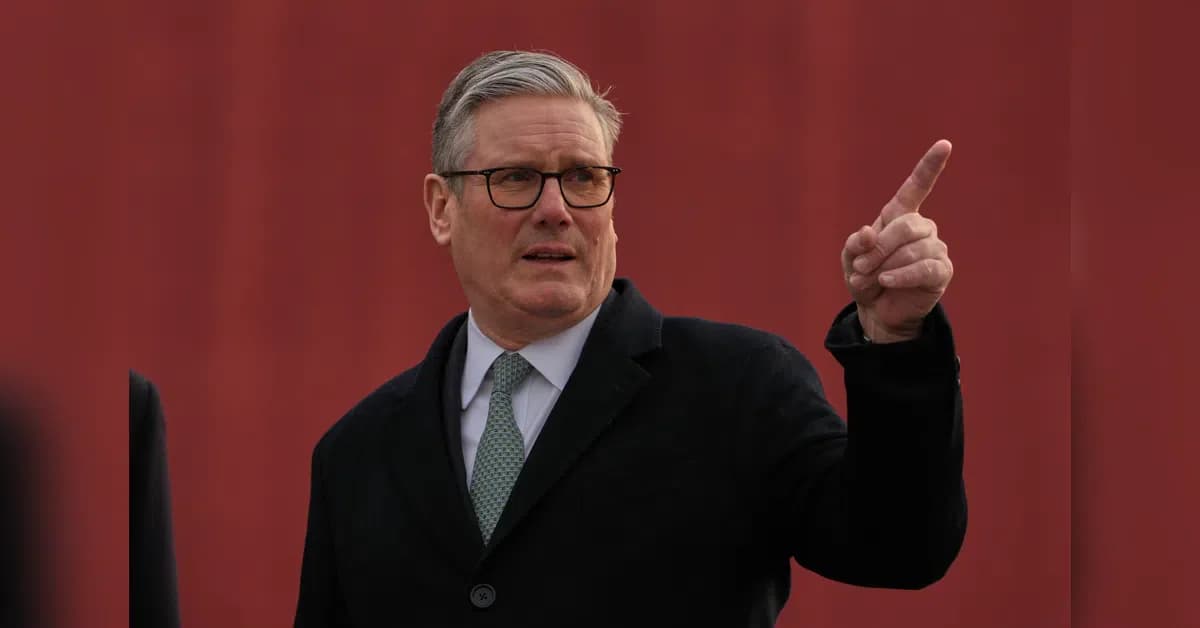
The North Sea oil ban implemented in November 2025 has emerged as Starmer's biggest miscalculation, with the UK becoming the largest economy to ban new oil and gas exploration licenses. The Iran conflict that began in early 2026 sent Brent crude from around $73 a barrel to nearly $114, with Ofgem then confirming a 13% rise in household energy bills from July, with the average annual bill climbing from £1,641 to £1,862. Oxford's Smith School found that full North Sea output would have cut bills by only £16 to £82 annually, highlighting that oil trades at global prices regardless of origin. Trump had flagged these vulnerabilities in May 2026, citing failures on energy and immigration, with his June 21 Truth Social post removing any ambiguity about Starmer's political fate. The US-Iran oil shock that accelerated Starmer's resignation now poses the first major fiscal test for whoever leads Labour next, with the party facing significant economic challenges as it prepares for the leadership transition.